
Dear ambitious reader,
Nine years ago I wrote our first manifesto. We were three years old and a little rebellious. I said we were here to stay.
We’re twelve now. More than 20,000 merchants have built on Subbly. Hundreds of millions of dollars have been processed through it. I still talk to our customers most weeks.
But ecommerce has changed more in the last eighteen months than in the ten years before that. So here is what we believe, what we’re building, and why.
The bar went up
It has never been easier to launch a mediocre business. It has never been harder to build a great one.
Templates made a decent store a weekend job. AI makes a decent prototype an afternoon job. But a prototype isn’t a business, and decent is now the floor. Every store your customer saw today looked decent. Decent doesn’t win a customer. It doesn’t keep one.
Great stores win customers and keep them. A brand that looks like you and nobody else. An experience built around how you actually sell. The ability to change fast. An operation that runs without a team of people babysitting it.
Here’s the trap. Most founders start on a template and plan to make it great later. Later is the expensive part: an agency, a developer, a migration, a year. And by then the platform holds your customers, so leaving means starting over. Most stores never get there. So a founder with something special launches a store that looks like everyone else’s, not for lack of taste but because great was too expensive. And if the idea doesn’t take off, they never find out why. Was it the product? Or was it the store?
We think great should be where you start.
Ads stopped being an edge
If you’ve been running a brand for a few years, you met the same shift as a squeeze. Across ten public direct-to-consumer brands, gross margin barely moved from 2019 to 2025. Operating margin fell from 15 percent to 5. The product still makes money. Ads, shipping, fees and the app stack eat it.
For a decade the edge was paid social. Cheap, precise reach built a generation of brands. Then Apple changed its privacy rules, Meta’s prices rose by half, and the measurement broke. A new customer cost $9 to win in 2013. By 2022 it was $29. Everyone has the same tools at the same prices now, so nobody gets ahead by using them.
The edge now is how fast and how cheaply you can change the store, the offer and the way the business runs. That is what AI changes, and it changes most when the agent is the platform, not a chatbot bolted onto a template and a stack of apps. Ship a new offer in an afternoon for a few dollars, and you have the edge the ad platforms used to sell.
A motor on every machine
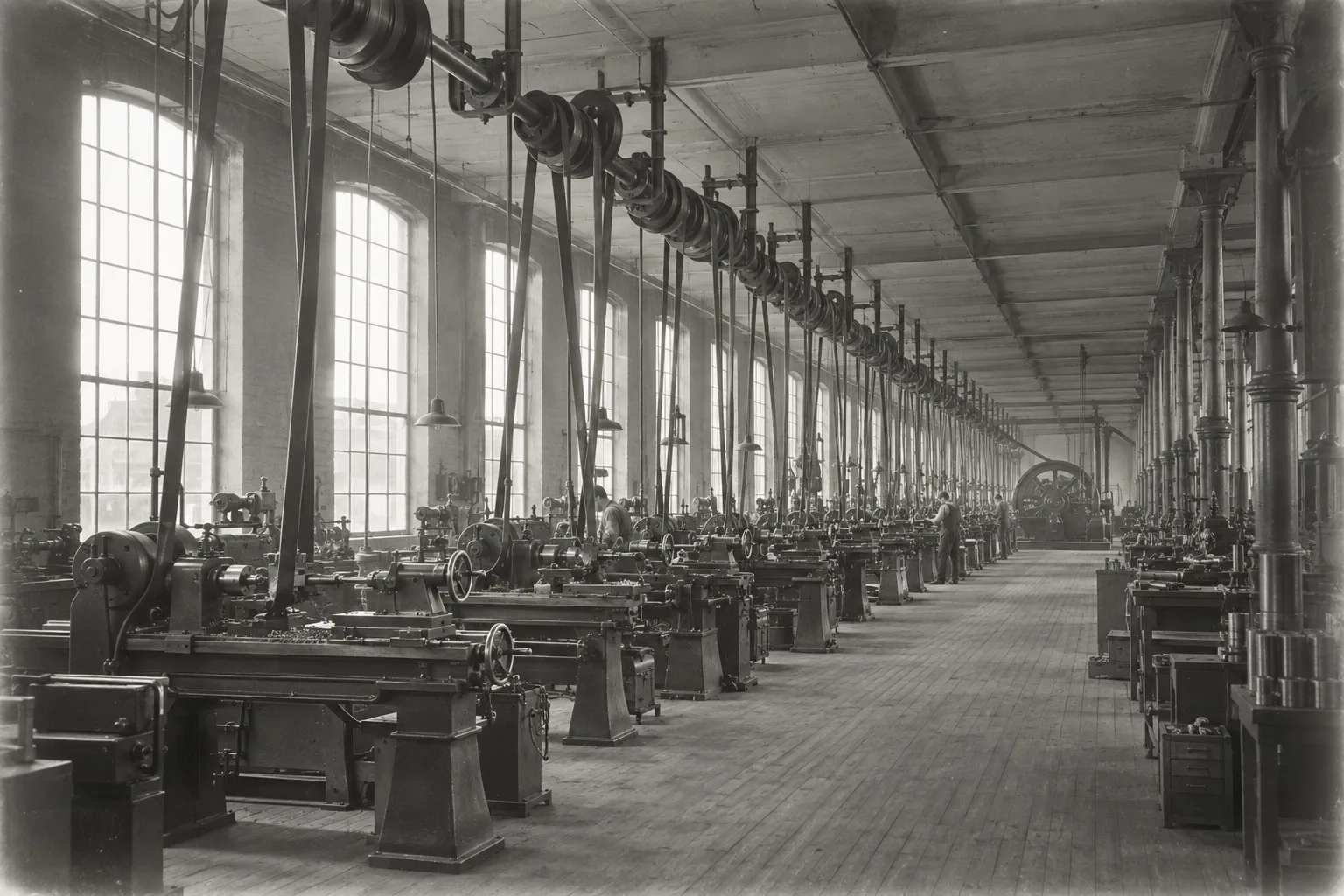
When factories first got electricity, most of them replaced the steam engine with one big motor. Same shaft. Same belts. Same layout. For thirty years, productivity barely moved.
Then someone asked a better question. If power is cheap and can go anywhere, why one motor? Put a motor on every machine. Arrange the floor around the work. That redesign, not the motor, made the modern factory.
Ecommerce has had one redesign like this. Twenty years ago a store meant your own developer, your own server, and an install that broke when you touched it. Shopify made it hosted and self-serve. Sign up, pick a theme, start selling. Millions of people built stores who never could have before.
That model hasn’t changed since. Every store starts from the same handful of themes, and an app store fills in whatever the theme can’t do. Every year a store needs more apps, more fees, and eventually the developer it was meant to replace.
Now AI is here, and most of ecommerce is bolting a chatbot on where the steam engine used to be. It writes your product descriptions. It recommends a plugin. Underneath, nothing has moved.
Subbly never had an app store or a theme marketplace to defend, so nothing about the old model pays our bills. That means we get to ask the better question: If we re-imagined ecommerce for an AI-native world, what would the ideal platform look like? And what would it be like to build on it, for the founders of tomorrow, the rebels of tomorrow?
What we believe
You’ll describe your business, and it will be built. Not by a chatbot. By a team of agents, coordinated by one, that already know your products, your customers and your history. You never brief them. You never explain yourself twice. “Add a gift option at checkout” becomes the whole project.
Great ecommerce is about to cost much less, and that changes who can afford it. What an agency charges $3,000 to $15,000 for costs a hundred to two hundred and fifty dollars in credits. A small edit costs cents. What’s left to compete on is taste, product and care. That’s good news for the small businesses we’ve always been for, and for the experts who build for them.
AI should make more founders, not fewer. Your agent does the work you would have hired out or gone without: the build and the plumbing. What’s left is yours, and it was always the business.
You should own your business. Your customers, your data, your payment tokens. If you can’t leave a platform with your customers, you don’t own the business. You rent it. I’ve written about this before. Our stance hasn’t changed in twelve years: migrate in free, leave whenever, take everyone with you.
Reject mediocre ecommerce, choose to build great.
What we’re building
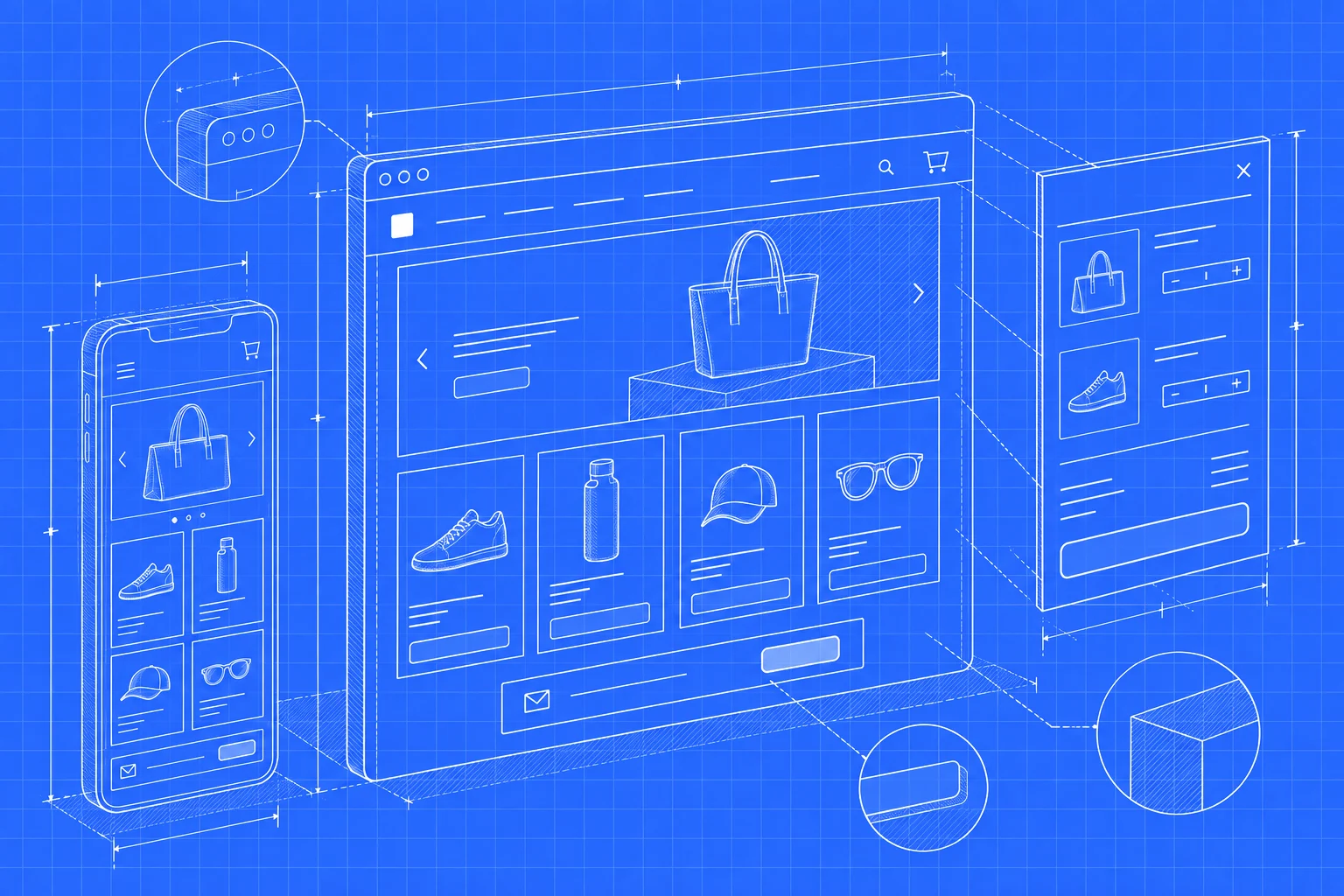
The AI-native commerce platform. Storefront, checkout, customer portal, automations, integrations, and soon the daily running of the business itself. All of it built by describing what you want, inside Subbly or inside Claude and ChatGPT, alongside your own team.
We started with subscription because it’s the hardest kind of commerce to get right. Twelve years of that is the core everything else stands on. Now we’re taking the same approach to all of ecommerce. Every merchant deserves to look like they have a design team, move like they have a developer, and run like they have an ops team.
It’s open on purpose. Full API, public MCP, connectors, and room for developers, designers and agencies to build on top. In an expert’s hands, it’s a superpower that helps their clients achieve more. You just don’t need one to build a great store anymore. And for brands that want people as well as agents, Subbly X puts engineers and an account manager on it, at software prices. For an established brand that is where the margin comes back: fewer apps, fewer retainers, and changes in hours instead of sprints.
Come build with us
We bootstrapped for ten years. It taught us to do more with less and to stay close to our customers. We’re keeping that. We’re also raising capital to move faster, because this shift is happening now, and the platforms that define it will be the ones with nothing to unlearn.
For the first time, a founder with a great idea can have a business that looks and runs like one in an afternoon, just by describing it. No template stage. No developer on retainer. You don’t need to be big to be great.
You need taste, a product people want, and a platform that can keep up with you. Bring the first two.
The next tranche of ecommerce innovation starts here, today.

We say no to mediocrity, and no to template stores held together with plugins. We invite you to take that stance with us, and build something great.
Launch Club runs live every weekday. Come and build something with us. Not sure yet? Find out if Subbly is right for you.
Excited to see what you build,
 Stefan Pretty