What Types of Subscription Services Are There, and How Do They Work?
 The subscription business model now powers businesses across ecommerce, software, media, fitness, and professional services.
Globally, the subscription market is projected to grow from roughly $492 billion in 2024 to over $1.5 trillion by 2033 as more industries adopt recurring revenue models.
But subscriptions don’t represent a single business model, and the ways value is delivered, billed, and renewed vary widely.
Choosing the wrong type can create churn, pricing friction, or operational complexity that is hard to unwind later.
This guide explains the main types of subscription services, how they work, and which companies and products each one best suits.
What Is a Subscription Service?
A subscription service is a business model in which customers pay a recurring fee for ongoing access to a product, service, or benefit. Instead of a single transaction, recurring revenue is generated through a continuing relationship.
Most subscription services share three core elements:
Recurring billing
Customers are charged at regular intervals, typically monthly or annually. Recurring billing creates predictable revenue, which is one reason subscriptions are attractive to businesses.
Ongoing value delivery
Value is delivered continuously rather than upfront. This value might be exclusive access to software, regular product shipments, content, or ongoing support.
Customers are far more likely to cancel subscriptions when they feel value is front-loaded or unclear after the first cycle.
A long-term customer relationship
Subscriptions depend on retention. Studies show that customer acquisition costs can be 5–25 times higher than retaining existing customers, making ongoing engagement central to subscription success.
This is what separates subscriptions from one-off purchases. In a traditional sale, the relationship often ends at checkout. In a subscription, that moment marks the beginning. From there, you continue to provide value, improve customer loyalty, and lock in long-term recurring revenue.
Why Understanding Subscription Types Matters
Not all subscription services work the same way. Some deliver fixed access, others scale with usage, and others focus on replenishment or discovery.
These differences affect pricing, fulfillment, churn risk, and platform requirements, which is why choosing the right subscription type matters early on.
Let’s take a look at some of those factors in detail.
Pricing strategy is shaped by the subscription type
Research from McKinsey shows that poorly aligned subscription pricing increases churn and reduces customer lifetime value (CLV), particularly when pricing does not reflect how customers actually use a product.
This is a common issue when fixed subscriptions are applied to variable-use products, where light users feel overcharged and heavy users feel constrained.
📖 Read our article “What Subscription Businesses Need to Know About Customer Lifetime Value” to learn more.
Fulfillment and logistics are tightly linked to the model you choose
Replenishment and curated subscriptions require accurate demand forecasting and flexible fulfillment schedules.
When billing cycles are rigid and not aligned with real consumption, businesses face excess inventory, late shipments, and avoidable support requests. These operational mismatches often surface only after scale, when they become expensive to fix.
Platform and tooling requirements vary by subscription type
Some models need flexible billing logic, usage tracking, or customer-controlled pauses. Others can run on simpler recurring payments. Choosing a platform that does not support your subscription type often leads to manual workarounds, limited flexibility, and higher churn as complexity grows.
In practice, many subscription problems stem from a mismatch between the product, the customer, and the subscription type chosen at the start.
6 Types of Subscription Models
This section lists six common subscription business model examples. We’ll explain how each works, list the pros and cons, highlight the type of business they suit, and provide real-world examples.
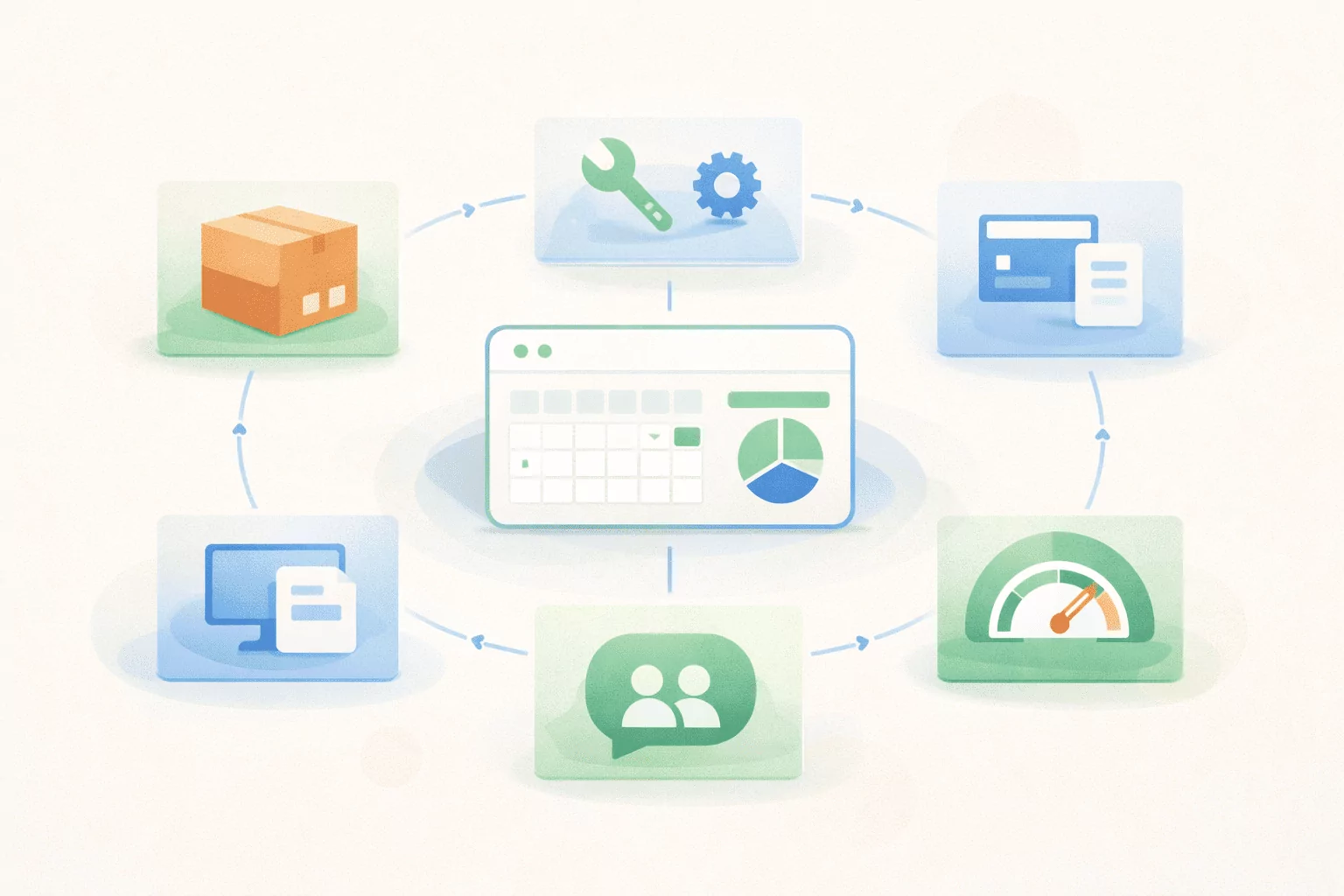
Don’t want to read it in detail? No problem, here’s an at-a-glance overview.
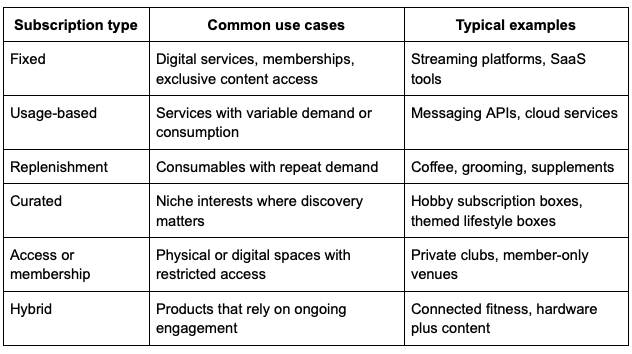
1. Fixed subscription services
A fixed subscription service charges customers a set recurring fee in exchange for consistent access or value.
The price does not change based on how much the customer uses the product or service. As long as the subscription is active, the offer stays the same.
This model is most common when usage varies across customers but does not materially affect delivery costs.
Simplicity is the appeal. Customers know exactly what they are paying each billing cycle, and businesses benefit from predictable recurring revenue.
How the fixed subscription model works
With a fixed subscription:
- Pricing is flat and recurring, typically monthly or annually.
- Customers receive the same access or entitlement every cycle.
- There is no usage tracking or variable billing logic.
- Changes occur only when a customer upgrades, downgrades, or cancels.
Fixed subscriptions work well for digital products and services where marginal costs are low, and value is tied to access rather than consumption.
However, this model can become problematic when applied to products where heavy users cost more to serve. Light users may feel they are not getting value for their subscription.
Example: Netflix
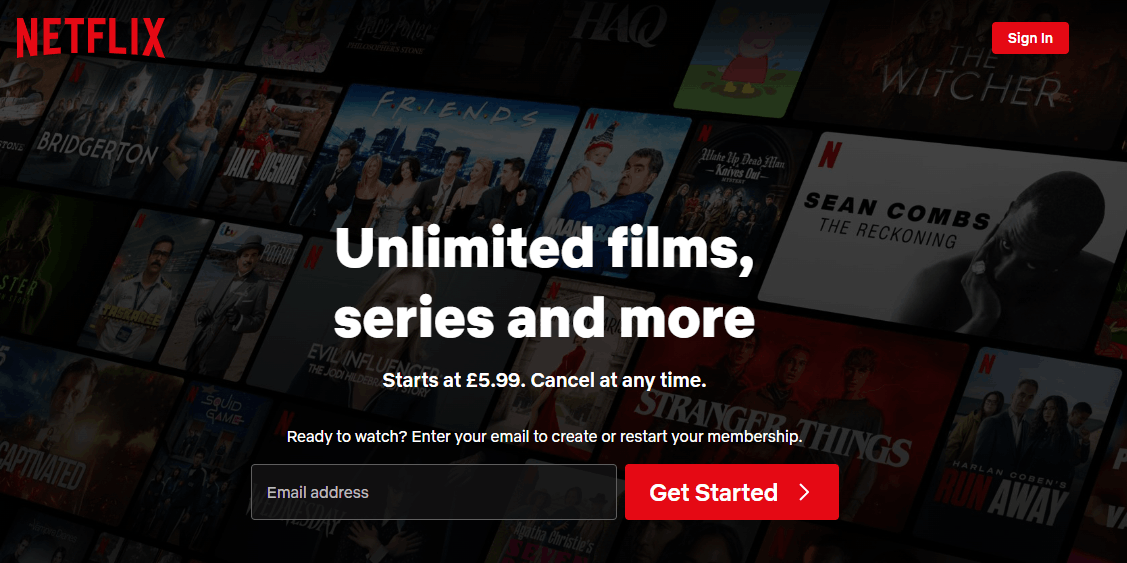
Netflix is a fixed subscription TV and movie streaming service. Subscribers pay a recurring monthly fee for access to its streaming library, regardless of how much content they watch.
It suits the fixed subscription business model because:
- The cost of serving additional viewing hours is relatively low.
- Customers value convenience and choice more than usage-based pricing.
- Simplicity reduces friction at sign-up and renewal.
Netflix also illustrates the limits of fixed subscriptions. As content costs rise and viewing habits vary widely, the business must carefully balance pricing tiers, perceived value, and retention.
2. Usage-based subscription services
A usage-based subscription service charges customers based on how much they use a product or service, rather than a fixed recurring fee.
The subscription provides access to the service, but the monthly cost varies based on measurable activity.
This model is most common when usage varies significantly among customers and when that usage directly affects the provider’s costs. Instead of bundling value into a flat price, the business prices based on consumption.
How the usage-based subscription model works
In a usage-based model:
- Customers are billed according to a defined unit, such as messages sent, minutes used, or data consumed.
- Costs scale up or down with activity.
- Pricing feels proportional to value received, particularly for low or irregular users.
- Billing systems must track usage accurately and transparently.
This approach can reduce friction at sign-up, since customers are not committing to a fixed cost upfront.
It also makes the model attractive for businesses serving customers with unpredictable or seasonal demand.
The trade-off is complexity. Usage-based subscriptions require more advanced billing logic, clearer communication, and careful pricing design to avoid bill shock or confusion.
Example: Twilio
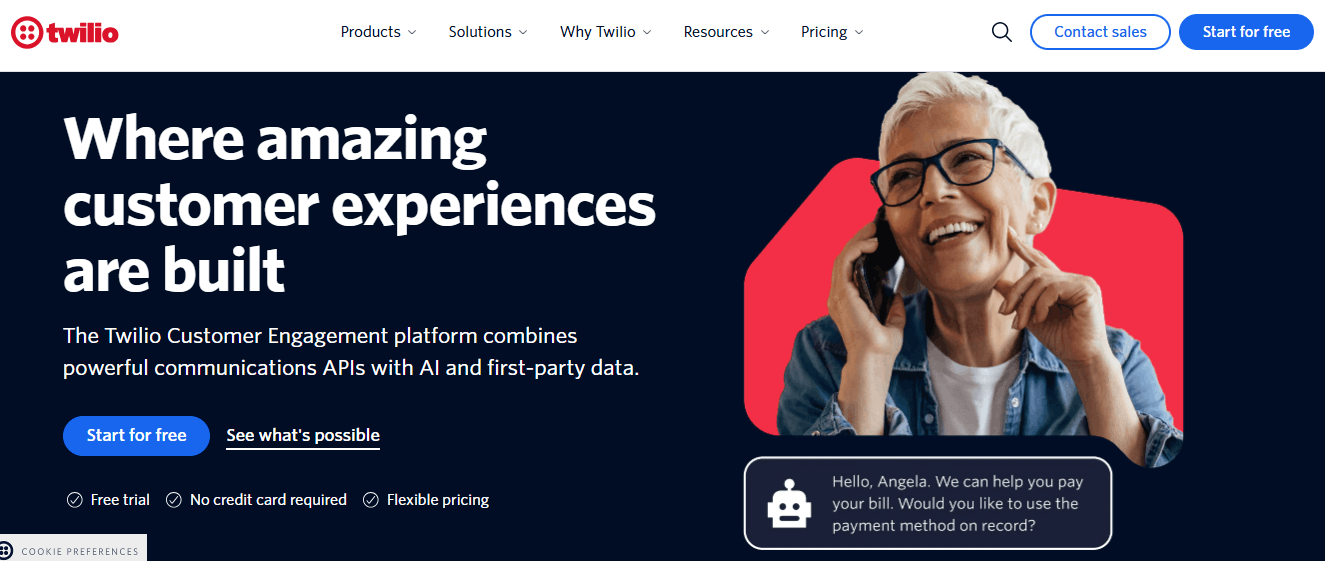
Twilio provides a communication infrastructure that allows businesses to send text messages, place phone calls, and build messaging features directly into their apps and services.
Customers pay for communications functionality, but billing is based on actual usage, such as the number of text messages sent or the number of minutes used.
A customer running a high-volume messaging campaign pays more than one that sends occasional notifications, even though both use the same platform.
Twilio is a good example of usage-based subscriptions because:
- Usage directly correlates with the value customers receive.
- Costs scale in line with customer activity.
- Customers retain flexibility as their needs change.
Twilio also highlights a common limitation of usage-based subscriptions. While the model feels fair, it can be harder for customers to predict monthly costs.
As a result, businesses using this model must invest in clear pricing, visibility into usage, and safeguards to maintain trust.
3. Replenishment subscription services
A replenishment subscription service is designed around repeat consumption. Customers subscribe to receive the same product on a regular schedule, removing the need to reorder items they use frequently.
This model works best for consumables with predictable demand, where convenience is the primary value. It is not about discovering new products, but about ensuring items arrive before the customer runs out.
How the replenishment subscription business model works
In a replenishment model:
- Customers receive the same product repeatedly.
- Delivery is scheduled at fixed or adjustable intervals.
- Pricing is usually consistent, with optional discounts for subscribing.
- Success depends on getting timing and flexibility right.
The main operational challenge is alignment. If deliveries arrive too often, customers accumulate a surplus and cancel.
If they arrive too late, the subscription fails its core purpose. As a result, pause, skip, and frequency controls are critical to retention.
Example: Pure Roasters Coffee
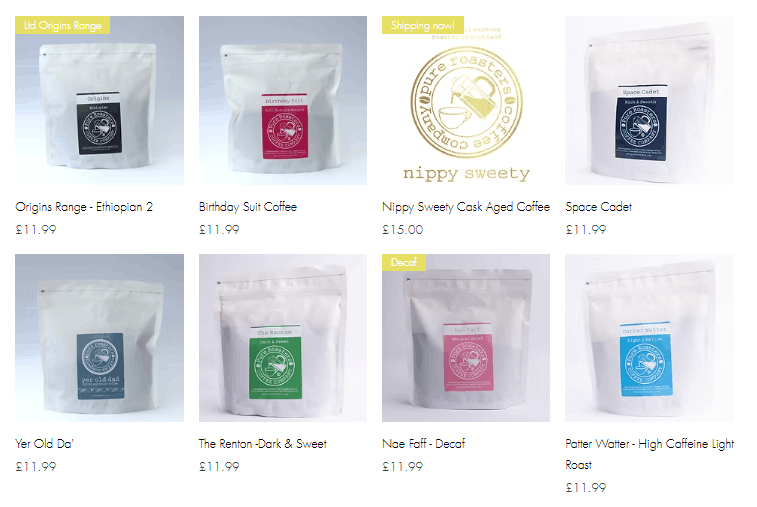
Pure Roasters Coffee provides coffee on a recurring schedule. Subscribers choose how often they want deliveries, ensuring they always have fresh coffee without needing to reorder manually.
The replenishment business model works for Pure Roasters because:
- Coffee is a consumable with regular, repeat demand.
- Customers value consistency and convenience.
- The subscription removes friction without changing the product itself.
Pure Roasters also highlights a common strength of replenishment subscriptions: they are operationally straightforward when the product and delivery cadence are well matched.
When flexibility is built in, replenishment subscriptions can achieve strong retention with relatively simple pricing and fulfillment logic.
4. Curated subscription services
A curated subscription service focuses on discovery rather than repetition. Customers subscribe to receive a rotating selection of items based on a theme, interest, or use case, rather than the same items every cycle.
The value comes from expertise and surprise. Customers are not paying for predictability, but for someone else to do the selection work for them.
This model works best in categories where choice is overwhelming or where novelty adds perceived value.
How the curated subscription model works
In a curated model:
- The contents of subscription boxes change each billing cycle.
- Selection is based on a theme, audience, or occasion.
- Customers usually have limited control over the exact contents.
- Retention depends on freshness and relevance, not convenience.
Operationally, curated subscriptions are more complex than replenishment models. Sourcing, packaging, and merchandising all matter.
If the curation feels repetitive or disconnected from customer interests, cancellations tend to follow quickly.
Example: Burn Box
Burn Box is a subscription box created specifically for firefighters and first responders. Each box contains a rotating mix of firefighter-focused items, including station gear, tools, apparel, accessories, and branded products for use on or off duty.
Subscribers sign up knowing they will not receive the same set of items each time—and that’s part of the appeal. Each month, they enjoy opening a new box full of surprises.
A curated subscription model works for Burn Box because:
- The appeal is discovery, not repeat purchasing.
- The value is created through selection and presentation.
- Customers subscribe to the experience, not individual items.
Burn Box also illustrates a key challenge of curated subscriptions. The model relies heavily on maintaining quality and novelty.
When curation feels strong, retention follows. When it weakens, customers quickly reassess whether the subscription is still worth keeping.
Finding new products and generating interesting ideas are constant challenges with this subscription business model.
5. Access or membership subscription services
An access or membership service charges customers a subscription fee for ongoing access to something they could not easily buy outright.
The value is not tied to physical delivery or usage volume, but to continued permission to use a service, platform, or set of benefits.
There’s a lot of crossover between access subscriptions and the fixed subscription business model.
The main difference is that this subscription model is common where ownership is impractical or unnecessary. Customers are paying to unlock access for as long as the subscription remains active, rather than to receive a finite item or outcome.
How the access and membership model works
In an access-based model:
- The subscription unlocks access to content, services, or privileges.
- Value exists only while the subscription is active.
- There is no concept of “stock” or replenishment.
- Retention depends on ongoing relevance and engagement.
These subscriptions often feel simple to operate, but retention can be fragile. If customers stop using the service, even briefly, they may question why they are paying at all.
Example: Newport Protective Club

Newport Protective Club is a private, members-only social club based in Newport, Rhode Island.
Members pay a recurring fee to access the club’s physical space, including a members-only bar, food and drink service, work and social areas, and a calendar of private events.
The subscription grants ongoing access to the venue, member pricing, and a closed community that non-members cannot enter.
This makes Newport Protective Club a strong example of an access or membership subscription because:
The subscription exists solely to unlock access to a restricted space.
- Value is tied to participation and presence, not consumption.
- When membership ends, access ends immediately.
It also illustrates a key challenge of access-based subscriptions. Retention depends on continued engagement. If members stop visiting or attending events, the value of the subscription quickly comes into question.
6. Hybrid subscription services
A hybrid subscription service combines two or more subscription mechanics into a single model.
Most often, this means blending a one-time product purchase with an ongoing subscription that delivers continuing value.
Hybrid models exist because a single subscription type is not always enough. Some businesses need to support physical goods, ongoing access, content, and services simultaneously.
The subscription element sustains engagement after the initial purchase, while the product anchors long-term value.
How hybrid subscriptions work
In a hybrid model:
- Customers make an upfront purchase or commitment.
- A recurring subscription unlocks ongoing value.
- The product and subscription are interdependent but not interchangeable.
- Pricing and billing are more complex than single-model subscriptions.
These subscriptions can be powerful, but they require careful coordination. If the ongoing subscription feels optional or disconnected from the product, retention suffers.
Example: Peloton
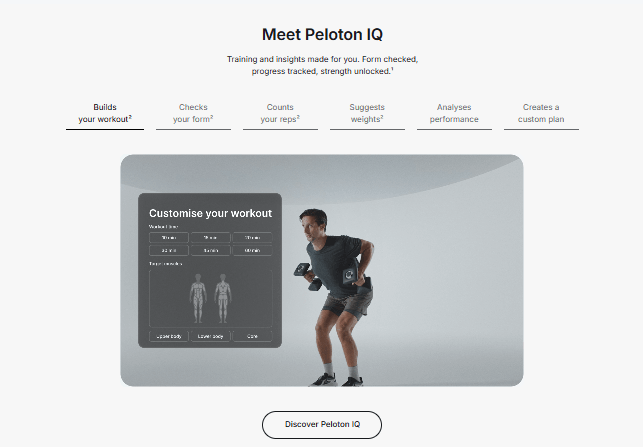
Peloton sells connected fitness equipment, such as bikes and treadmills, alongside a recurring subscription that provides access to live and on-demand workout classes, performance tracking, and community features.
Customers can own the equipment outright, but the experience is significantly reduced without the ongoing subscription. The subscription is what keeps the product relevant over time.
Peloton fits the hybrid model because:
- Value is split between a physical product and ongoing access.
- The subscription extends the usefulness of the equipment.
- Retention depends on continued engagement, not replacement purchases.
Peloton also highlights the challenge of hybrid subscriptions. The ongoing subscription must continue to justify itself long after the initial excitement of the product purchase fades.
When engagement drops, customers start questioning the recurring fee, even if they still own the equipment.
Choosing the Right Type of Subscription Service for Your Business
Choosing a subscription model starts with understanding what you are selling and how customers are likely to use it.
Finding the right model can help reduce churn and operational strain. Choosing the wrong one creates friction that may compound over time.
1.Start with the product
Consumables tend to suit replenishment subscriptions because demand is repeatable and predictable. Durable goods and services are rarely a good fit for automatic delivery and usually work better with access, usage-based, or hybrid models.
2. Consider customer behavior
If customers value convenience and predictability, replenishment works well. If usage varies widely, usage-based pricing often feels fairer.
Where discovery or novelty is the appeal, curated subscriptions make more sense than fixed ones.
3. Factor in operational complexity
Some models are simple to run. Fixed subscriptions and access-based memberships require minimal fulfillment logic.
Others, such as curated or hybrid subscriptions, require more coordination across sourcing, inventory, billing, and customer controls. Consider whether you can handle this additional complexity.
4. Think about cash flow and scale
Fixed subscriptions can provide predictable monthly recurring revenue. Usage-based models fluctuate. Replenishment subscriptions can tie up cash in inventory. Hybrid models often delay profitability until engagement stabilizes.
The right choice depends on how much variability your business can absorb as it grows.
There is no universally “best” subscription type. The right model is the one that aligns product, customer expectations, and your ability to operate it well.
Common Mistakes When Picking a Subscription Model
As mentioned, many subscription problems stem from mismatches between the model and the realities of the business.
Typical challenges include:
- Using fixed pricing for variable-use products: When customers pay the same amount regardless of how much they use something, light users feel overcharged, and heavy users feel constrained. Over time, both groups are more likely to cancel.
- Inflexible replenishment schedules: Refill subscriptions fail when deliveries do not match real consumption. Without pause, skip, or frequency controls, customers quickly end up with surplus or missed deliveries, both of which drive churn.
- Founders underestimate the impact of platform limitations: Choosing tools that cannot support the chosen model often leads to manual workarounds, poor customer experience, or forced compromises in pricing and fulfillment.
These mistakes are rarely obvious at launch. They tend to surface as the business scales, which is why choosing the right model early matters.
How Subscription Platforms Support Different Subscription Types
Not all platforms are built to support subscriptions in the same way. Shopify supports recurring product subscriptions through its free first-party Shopify Subscriptions app, which lets customers pause or cancel subscriptions and skip upcoming orders. Shopify’s platform and payment-processing costs are separate from the free app. Other platforms and setups use different apps or extensions.
When comparing a platform and its subscription app, look beyond whether it can take a repeat payment. Check:
- Do the billing schedules fit how customers use your product?
- Can you manage recurring orders easily from one renewal to the next?
- Can customers pause, skip or cancel without contacting you?
- How easily can you manage plan changes?
- Can you see where customers drop off and track retention?
- What extra apps or manual work will you need as subscriptions grow?
- How easy is it for customers to manage their subscription after checkout?
The important question is whether the setup supports your subscription model as it grows. That makes choosing the right kind of subscription ecommerce platform critical.
Top tip: Use a subscription-first platform
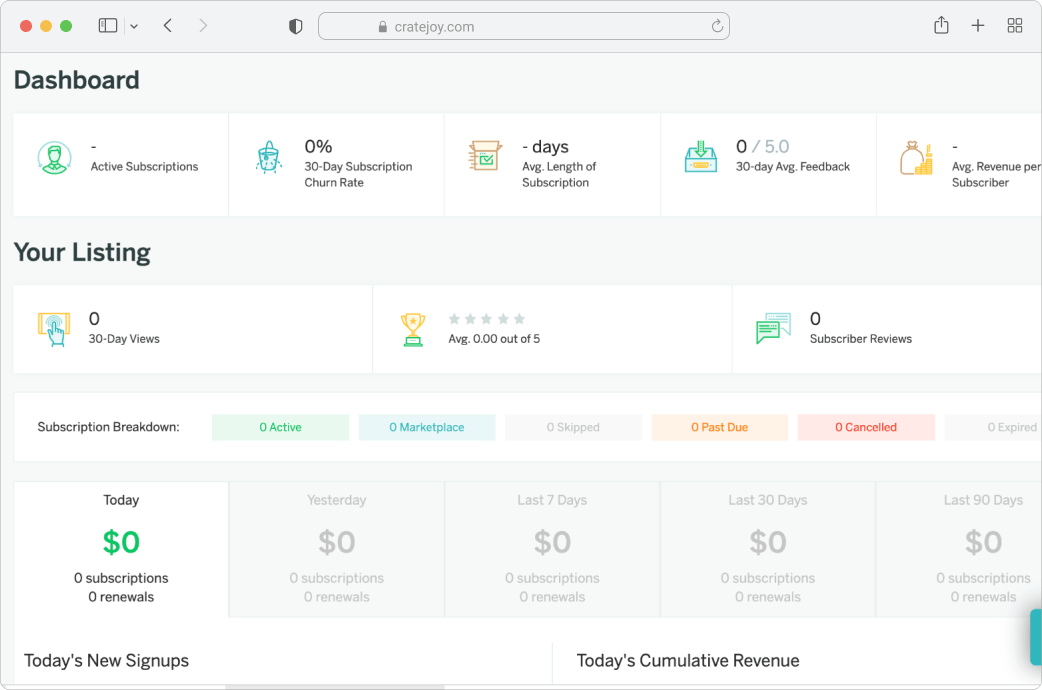
Platforms designed with subscription logic built in make these requirements easier to manage.
They treat recurring billing, plan changes, customer self-service, and subscription automation as core platform features.
This is where platforms like Subbly come in. By focusing on subscriptions from the outset, they support a wider range of models without forcing businesses into rigid structures or manual processes.
The platform does not determine whether a subscription business succeeds, but choosing one that matches the subscription type you are running removes unnecessary friction and makes scaling far more manageable.
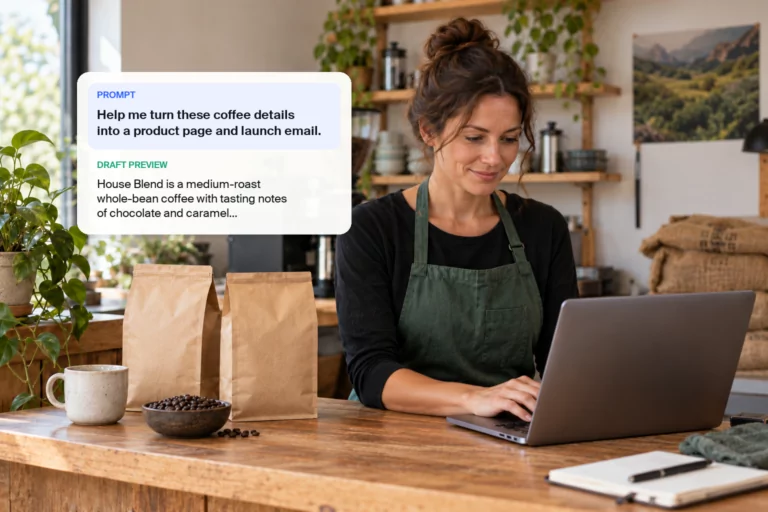
New feature: AI website builder
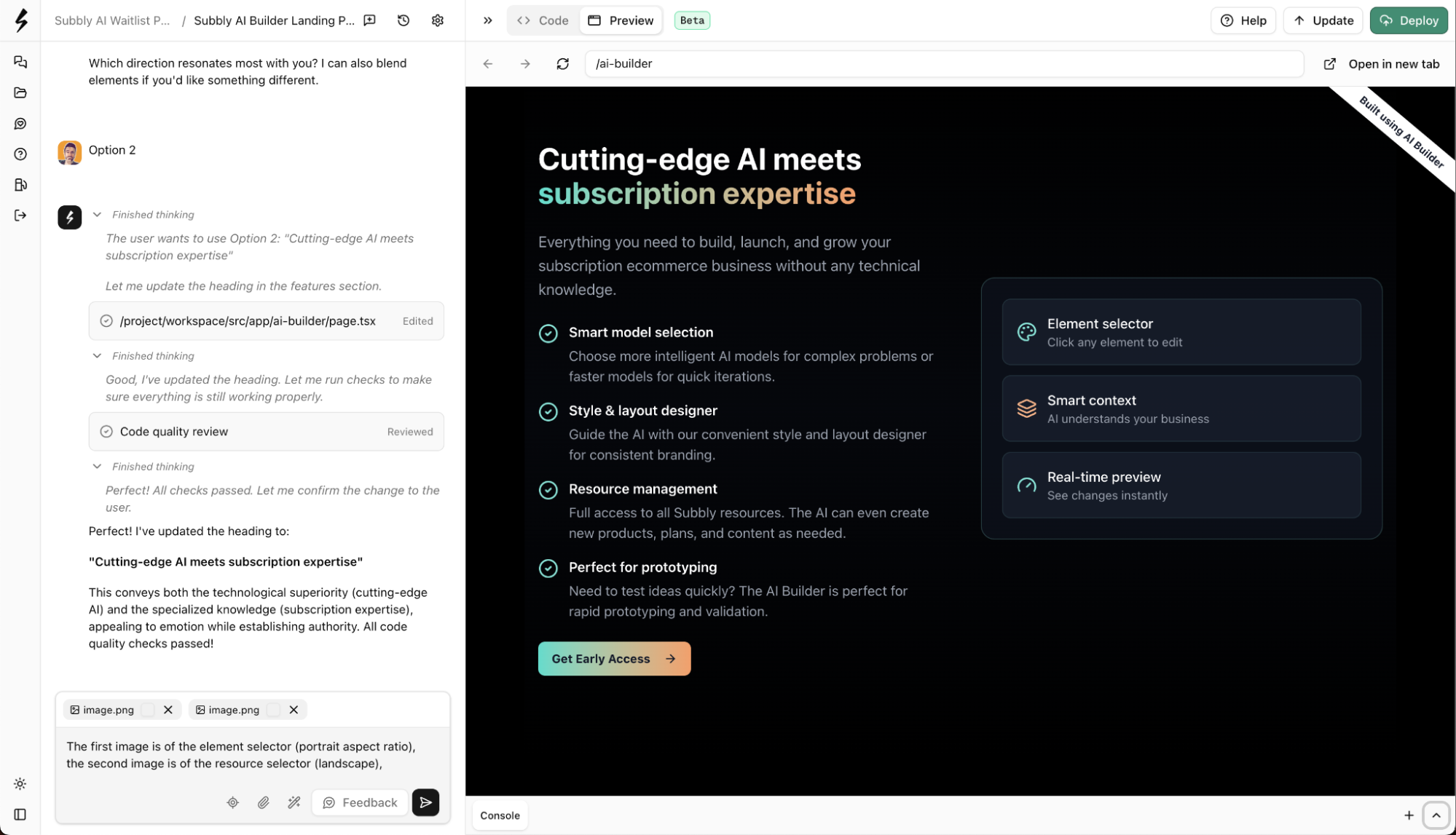
Subbly now includes an AI website builder designed specifically for subscription businesses.
The AI builder lets you generate a subscription-ready website by describing your business and subscription model in plain language.
Instead of starting with templates or coding from scratch, you get a working site structure in hours rather than in days.
It’s intended as a starting point, not a finished product, so you can edit, customize, and refine it as needed.
Because the builder sits on top of Subbly’s subscription-first platform, everything it generates is designed to work with subscriptions from day one.
That means no extra setup to support recurring payments, plan changes, or customer self-service, and no need to retrofit subscription logic later.
For founders, it’s a faster way to move from idea to launch without getting stuck on technical setup.
You can try it for free by visiting our homepage and typing prompts in the box provided.
Choosing the Right Subscription Model Comes First
Subscription businesses succeed or fail on fit. The most effective subscription services are built around how customers buy, use, and value your offering, not around what is popular or feels familiar.
As you’ve seen, different subscription types solve different problems:
- Fixed subscriptions prioritize simplicity
- Usage-based models reward flexibility
- Replenishment removes friction
- Curated subscriptions trade on discovery
- Access models sell exclusivity
- Hybrid models combine a one-off purchase with a subscription
Before choosing tools or pricing, get the model right. It will shape everything that follows, from fulfillment and cash flow to retention and scale.
Once the subscription type is clear, it’s time to choose an ecommerce platform.
Platforms built specifically for subscriptions, like Subbly, are designed to support these models without workarounds or bolt-ons, making it easier to launch, manage, and grow a subscription business that works long-term.
To find out how Subbly can help your business, sign up for a free trial.


Subbly – the purpose built platform for starting and growing subscription businesses