
Why Sell Sex Toys Online
Before we explain how to launch your sex toy business, let’s take a deeper look at the market and some of the reasons why it is expanding rapidly.
The sex toy industry is expected to grow at a CAGR of more than 8%, and it’s profitable too. Adult toys can yield gross margins of up to 80% depending on product category, supplier pricing, and how you position the product. This is especially true for higher-priced or private-label items, where retail markups tend to be larger.
This growth and profitability are being driven by changes in consumer attitudes, shopping behavior, and product design. Today, sex toys are one of the fastest-moving categories within ecommerce.
Ecommerce enables anonymity
Online shopping lends itself well to purchasing sex toys. In the past, customers may have felt awkward about visiting adult stores in person and being seen buying from them.
Today, the privacy of buying online and the rise of discreet delivery and packaging mean that more people than ever have the confidence to buy sex toys.
This trend accelerated during the pandemic, when the industry saw an uptick in first-time purchases.
Shifting social attitudes
Sexual wellness has become more openly discussed and accepted. Millennials and Gen Z tend to view sex toys as part of self-care and wellness.
Today, around 37% of U.S. adults own at least one sex toy, and over 58 million purchased a sexual wellbeing product of some sort during 2023.
This is reflected in the fact that mainstream retailers like Target, CVS, and Walmart all now stock sexual wellness items.
Innovation in products
Sex toys with new features like Bluetooth and app controls, AI-driven routines, and VR compatibility are being released. These innovations keep customers interested and drive sales.
A high-profile example is Lora DiCarlo’s Ose vibrator, which controversially won the Innovation Honoree Award in the robotics and drone category at the 2019 Consumer Electronics Show (CES).

Source: Lora DiCarlo
Positive product positioning
As already mentioned, sex toys are increasingly positioned as wellness and self-care products. Moreover, their design and marketing are increasingly gender-neutral, helping them to appeal to all genders and orientations.
Medical researchers have found that sex toys can help treat sexual dysfunction (a broad term for ongoing problems that make it difficult to want sex, become aroused, enjoy sex, or reach orgasm) or enhance couples’ intimacy.
A broader and more diverse customer base
The change in positioning mentioned above has seen the sex toy market move from a narrow “novelty” audience to one that covers a wide range of demographics.
Women’s products are the fastest-growing segment, while toys aimed at couples have also proved popular.
However, it’s worth noting that regional and cultural discrepancies still exist. For example, sex toy sales in coastal U.S. states can be around 20x more than those in more conservative rural states.
What Are the Challenges of Selling Sex Toys Online?
Selling sex toys online is a huge opportunity. But there are several unique industry challenges and constraints to understand before you launch your business.
Payment processor restrictions
Some payment processors put restrictions on some businesses and product categories.
For example, Stripe prohibits:
- Pornographic content
- Explicit sexual services
- Escorting or prostitution
- Content primarily intended for sexual arousal
The company reviews products and website content and will close your account if it deems your site too explicit.
A good way to think about it is:
- A product page explaining how a vibrator works is usually fine.
- However, a product page with explicit sexual imagery or graphic descriptions would be a risk.
This is why many successful brands adopt wellness-led, educational language even when selling overtly sexual products.
Even if you follow the content rules to the letter, it’s likely that a payment provider like Stripe will classify you as a higher-risk merchant.
This can mean:
- More frequent reviews
- Requests for additional documentation
- Slower payouts in some cases
- Higher likelihood of temporary account holds if chargebacks spike
Paid ads and shopping feeds are restricted
Google restricts “sexual merchandise.” It has specific rules for sexual content and sexual health and wellness ads, including age targeting and creative limitations.
Most sex toys cannot appear in Google Shopping results. Search ads are allowed, but with strict limitations, on:
- Explicit sexual terms
- Graphic descriptions of use
- Claims about sexual performance or guaranteed outcomes
- Suggestive imagery or language designed to arouse
Furthermore, all ads related to sexual content must be restricted to those aged 18+.
Ad creative and landing pages cannot include:
- Nudity or sexualized imagery
- Suggestive poses
- Explicit anatomical focus
- Language implying sexual acts
Google does allow sexual health education and wellness ads; however, sex toys often fail reviews when framed in this category.
Marketplace policy risk
Marketplaces like Amazon or eBay can change their rules with little notice, and sex toy sellers are particularly exposed to this risk.
Adult and sexual wellness products sit in a grey area for many platforms, which often adjust policies in response to payment providers, advertisers, or public pressure.
When definitions change, products that were previously compliant can be reclassified overnight. This can be disruptive to businesses that rely on the platform.
An example is Etsy’s 2024 policy change, which banned most insertable sex toys from the platform. Many established sellers saw listings removed regardless of their prior compliance, with limited opportunity to appeal or adapt.
Visibility suppression is common
Similarly, marketplace platforms will often remove or hide sex toys from their search results or listings.
This can be due to a range of issues, including:
- Changes to the platform’s algorithm or product classifications
- The product or seller being flagged for review
- Automated enforcement systems struggling to differentiate between sex products and explicit content
These issues tend to be unpredictable. Two sex toy companies might be selling the same product and using similar wording in their descriptions and marketing, but one might be restricted while the other remains visible.
According to the Center for Intimate Justice (CIJ), 64% of sexual wellness brands say Amazon had turned off at least one of their product listings at some point.
Legal variation among states
Legal requirements for selling sex toys in the U.S. are not uniform, and state-level variability can add another layer of complexity for retailers.
Some jurisdictions apply restrictive laws that affect how sex toy products can be marketed or sold. Businesses in the adult industry that ship nationwide must consider federal rules, as well as how individual states interpret and apply obscenity or morality laws.
For example, Alabama state law criminalizes the commercial distribution of devices designed or marketed primarily for genital stimulation.
The law is rarely enforced, and many sellers work around it by framing their products as novelty or wellness items. However, it still exists and so poses a business risk that must be considered when launching your company.
8 Steps to Sell Sex Toys Online
Now you know the benefits and risks involved in selling sex toys, let’s take a look at how you can start a business in this industry.
1. Choose your niche and products
The first step is to identify what you will sell and to whom. Begin by thinking about who your target customer might be.
Examples include:
- Couples
- Women
- Men
- LGBTQ+ customers
- People looking for wellness-led products
Your choice here influences everything from the products you stock to your branding, marketing, language, and imagery.
Next, choose a product category. Many successful brands launch with a limited selection, validate demand, and then expand over time. A tighter product range makes it easier to position your brand and manage compliance.
Starting narrow reduces upfront complexity and helps you learn what resonates with your customers before scaling.
Use industry research and competitor benchmarking to decide what category to focus on. For example, vibrators are the top-selling category, representing up to 35% of sales. However, you might find that competition is fierce and decide that a smaller category offers better margins.
2. Choose your business model and sales channels
Now you know your customers, you need to decide how you’ll sell to them—in other words, your business model.
In the sex toy industry, your business model affects risk, control, margins, and your exposure to platform decisions.
The key at this stage is to be intentional: choose a model that aligns with your appetite for risk and the level of control you want as the business grows.
Many sellers choose to sell direct-to-consumer (D2C) through their own website, rather than sell through an intermediary.
The D2C setup costs are higher, but it gives you full control over branding, content, customer data, and compliance, and reduces the risk of sudden policy changes affecting your entire business. It also makes it easier to build repeat relationships with customers over time.
Marketplaces like Amazon or eBay can offer faster exposure, but as mentioned earlier, policies can change without notice, listings can be removed, and visibility is never guaranteed.
For this reason, many brands treat marketplaces as a secondary channel rather than their core business.
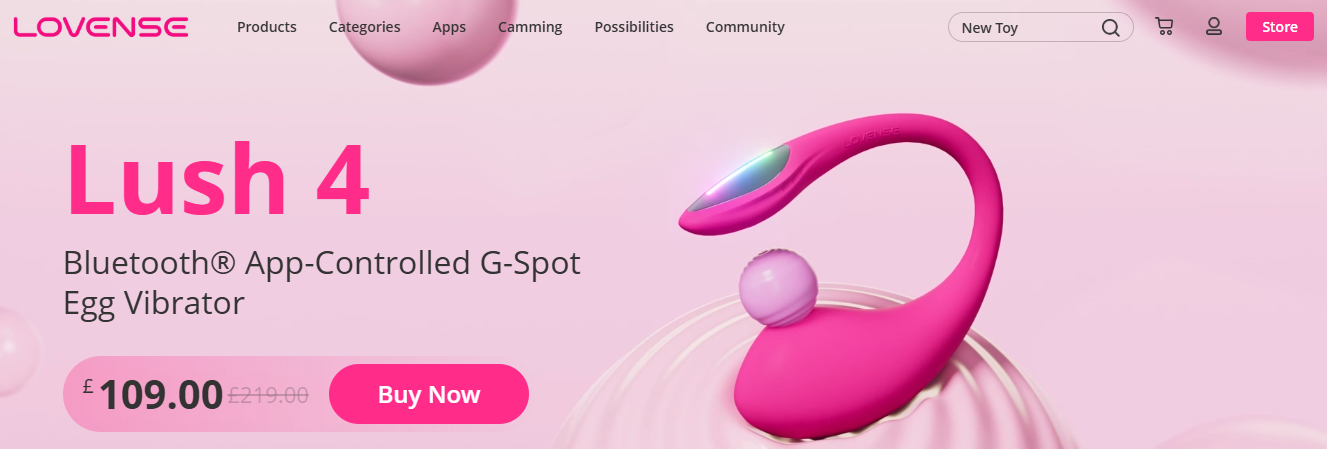
Lovense is a good example of a D2C sex toy business. The brand is known for app-connected toys designed for remote play and long-distance intimacy. They’ve built a strong direct online presence, selling products through their own site.
Consider selling subscriptions
Another consideration is whether you will sell subscriptions. This might seem unusual. However, around 32% of sexual wellness buyers report making repeat purchases.
This suggests there is demand for people to purchase sex toys and related wellness products on a regular basis.
A subscription business model makes this easy and convenient for customers while also offering variety.
For sellers, it allows you to build stronger customer relationships through regular engagement.
Example: Heart + Honey
Several businesses have already started selling sex toys and wellness products on a subscription basis.
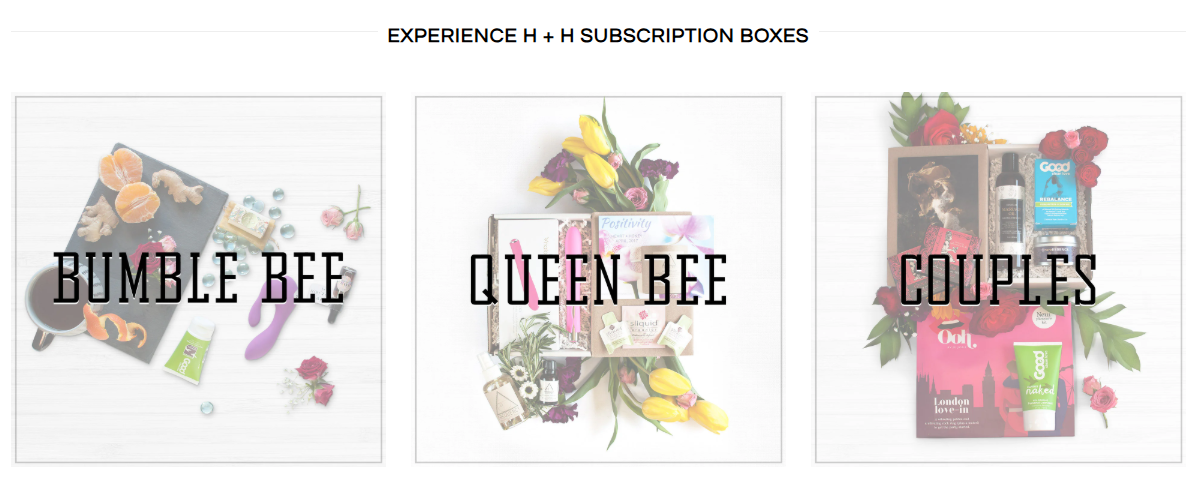
For instance, Heart + Honey is a sexual wellness subscription box company that curates and delivers adult toys and complementary products around monthly themes related to sensuality and wellness.
For example, the theme in January 2026 is “Bohemian Moon”, while previous themes have included “Sea Spirit” and “Jolie”.
Subscribers can choose from three boxes:
- Bumble Bee Box: A box that includes a quality sex toy or accessory, and 2–4 sexual and lifestyle products.
- Queen Bee Box: A more premium version that includes a high-end sex toy or accessory plus 3–5 sexual and lifestyle products.
- Couples: A box designed for couples, featuring items that engage multiple senses for shared experiences.
3. Choose an ecommerce platform that supports adult subscriptions
Now it’s time to choose the platform on which your website and business will be built.
Most founders start by considering familiar options such as Shopify, WooCommerce, or selling through marketplaces. These platforms are a good choice for standard ecommerce businesses.
However, if you are selling sex toys on subscription, then you’ll face additional complexity that these general platforms can’t handle.
That’s because platforms like Shopify treat subscriptions as an add-on rather than a core feature.
As a result, recurring billing, subscription management, and customer self-service are often handled through third-party plugins rather than built into the platform itself.
This can limit how flexible your subscriptions are. For example, you may not be able to offer multiple tiers, mixed carts, pauses, or upgrades.
In regulated categories like sexual wellness, this setup carries extra risk. If one plugin, payment provider, or integration changes its rules or flags your store, subscriptions can fail, payments can be delayed, or checkouts can break altogether. This makes it harder to maintain control and reliability as your online sex store grows.
This is where a subscription-first platform can make a meaningful difference.
Subbly: The Subscription-first platform
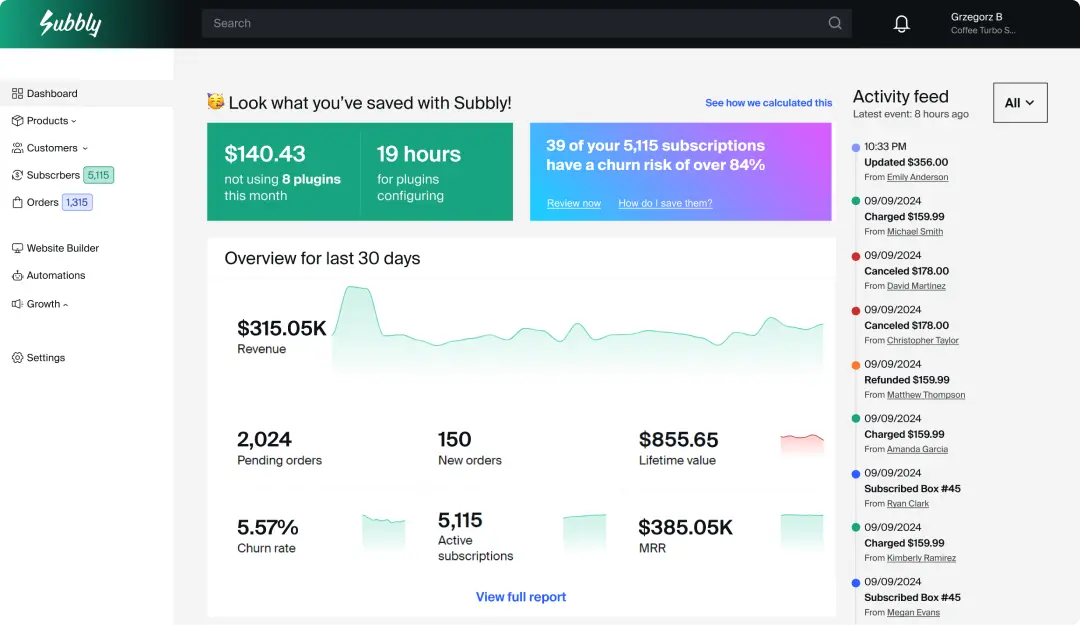
Subbly is an ecommerce platform built specifically for subscription businesses, with built-in functionality for:
- Recurring billing
- Flexible subscription rules
- Customer self-management
- Automated renewals
- Bundling
This makes it easier to offer subscription boxes, recurring wellness products, or hybrid models without relying on multiple plugins.
For sex toy businesses, this approach also supports clearer control over content, checkout flows, and customer communication, which is important in a category where payment providers and platforms scrutinize how products are presented.
Subbly also recently introduced an AI website builder, designed to help founders launch quickly without needing technical expertise.
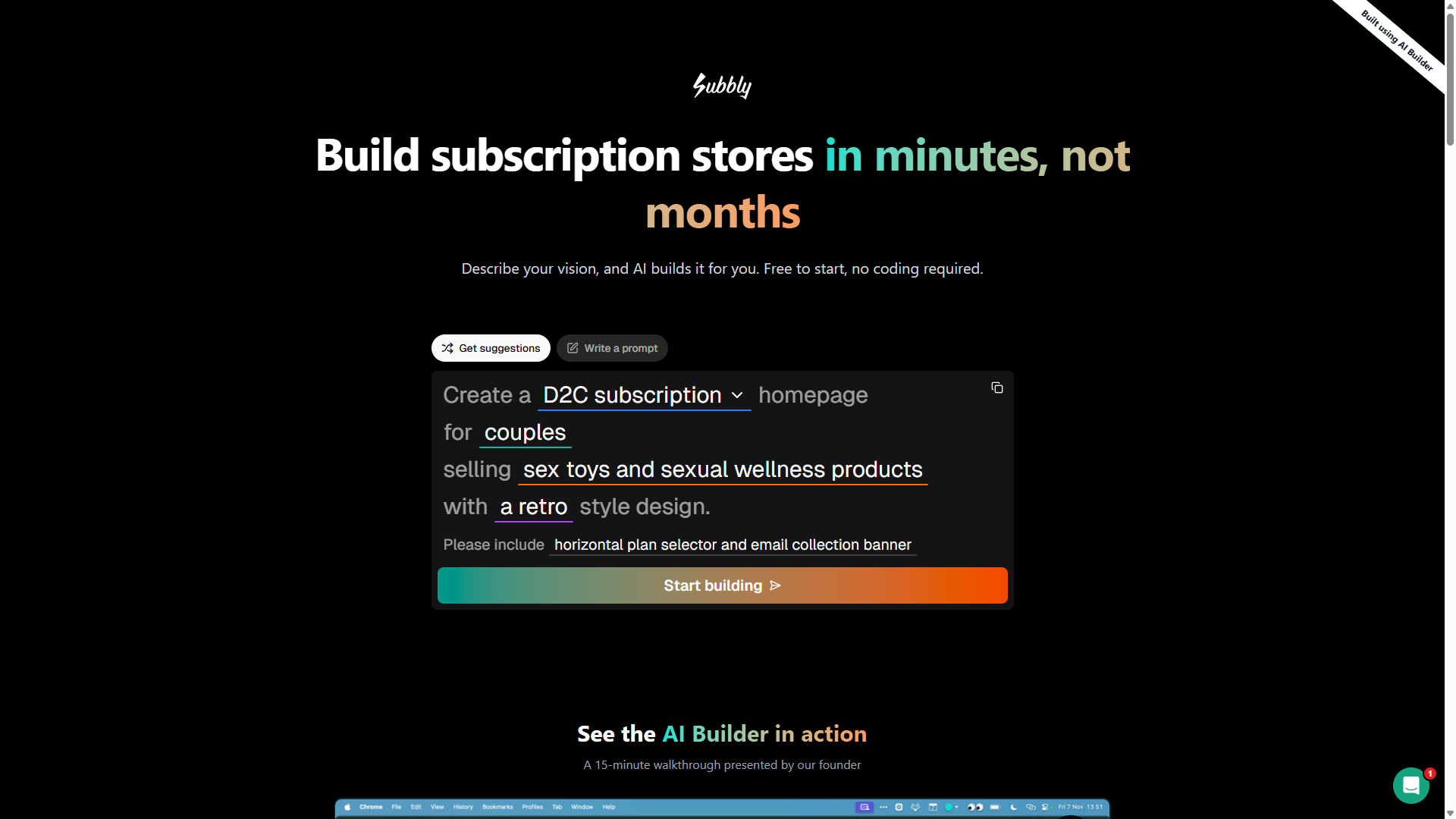
You can generate a subscription-ready website from a simple prompt, then customize it to suit your brand, product positioning, and compliance needs.
This is particularly useful if you want to test a niche or subscription concept without a long development cycle.
Choosing a platform that’s designed for subscriptions from day one reduces technical complexity and gives you more control as your business grows, which is especially valuable in a category with tight rules and high scrutiny.
4. Set up your payments and merchant accounts
Before you can take payments online, you need a payment provider. This is the service that processes card payments on your website, handles billing, and transfers money from your customers to your bank account.
Well-known examples of payment providers include Stripe, PayPal, and Square. Without one, your website cannot accept payments, even if everything else is set up correctly.
Try to find a payment provider that minimizes restrictions on sex toys. CCBill and Segpay both specialize in higher-risk categories, including adult products.

Their fees are typically higher, but these providers are more tolerant of the category and less likely to impose sudden restrictions.
However, you should still research your chosen provider to understand what restrictions, if any, they place on the products you sell.
Prepare your site for review
Sooner or later, your payment provider will review your site. It’s therefore important to ensure your site meets their criteria from launch, so it doesn’t get rejected or face restrictions.
This usually involves:
- Using clear, educational product descriptions
- Avoiding explicit imagery on product and checkout pages
- Keeping language focused on function, materials, and wellness rather than sexual acts
Payment providers often manually review adult websites, and presentation decisions affect approval, payouts, and account stability.
Set up payment monitoring
Once you have passed the review, put basic monitoring and contingency plans in place. This way, if there is a problem, you’ll know about it and can quickly mitigate it:
- Set up chargeback alerts
- Review failed subscription payments regularly
- Know which alternative providers you could switch to if terms change
5. Source products and plan fulfillment
Product sourcing and fulfillment are tightly linked decisions, as your sourcing model will determine how fulfillment works.
These decisions affect margins, risk, customer experience, and the ease of scaling.
Choose how you’ll source products
Most sex toy businesses start with one of four sourcing models:
- Wholesale: You buy products in bulk from manufacturers or distributors and hold inventory yourself. This offers better margins and more control over quality, but requires upfront investment and storage.
- Private label: Products are manufactured for you and sold under your own brand. This helps with differentiation and pricing power, but usually involves higher minimum order quantities and longer lead times.
- Dropshipping: Products are shipped directly from the supplier to the customer after an order is placed. This reduces upfront risk and inventory costs, but margins are lower and shipping times may be longer.
- Produce your own products: This is when you design and manufacture your own sex toys. The upfront costs can be very high, but the rewards if you are successful are huge.
A good example of a D2C sex toy company that produces its own products is Dame. The company focuses on designing and manufacturing toys for women’s pleasure and sexual wellness.
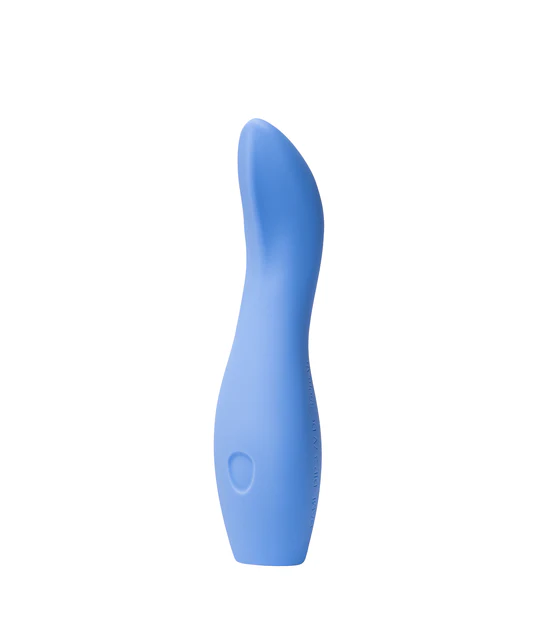
This approach has been successful, with the company expanding its range beyond toys to include complementary products such as lubricants and STI testing kits. The company has also acquired fellow sex toy designer and manufacturer Emojibator in 2024.
Many founders start with dropshipping or wholesale, then move into private labeling once demand is proven.
Tip: Prioritize quality and compliance
Whichever model you choose, supplier quality matters. Focus on products made from body-safe materials and suppliers that can provide clear specifications, certifications, and consistent packaging. Poor quality or unclear documentation increases refunds, chargebacks, and scrutiny from payment providers.
It’s also important to ensure products are accurately described and labelled, particularly if you plan to ship across multiple states.
Plan fulfillment with discretion in mind
Fulfillment is a critical part of the customer experience in this category. Customers expect:
- Plain, unbranded outer packaging
- Neutral sender names on parcels
- Clear delivery updates and tracking
Small details, such as billing descriptors on bank statements or the wording of shipping emails, can significantly affect trust and satisfaction.
Getting fulfillment right early reduces customer complaints and helps reduce the number of chargebacks you experience.
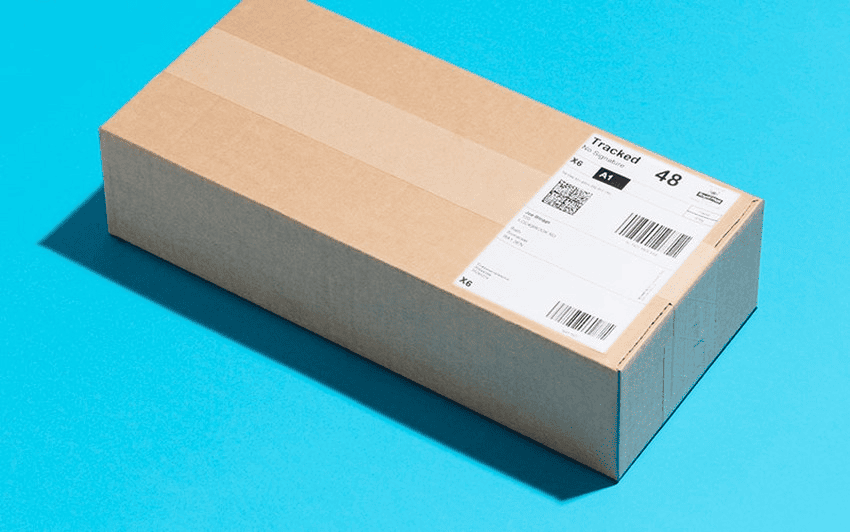
Here’s a good example from a sexual wellness and pleasure item provider, Lovehoney. As you can see, the box gives no indication as to what is inside or where it comes from.
6. Create compliant product pages and content
Now it’s time to create the pages your customers will buy from. You need to create site content that converts customers without triggering platform, payment, or policy issues.
Here are a few tips for doing so:
Write product pages for clarity and compliance
Each product page should clearly explain:
- What the product is
- How it works
- What it’s made from
- Who it’s intended for
Avoid explicit sexual language or graphic descriptions of use. Focus on function, materials, safety, and design. This helps customers understand the product while keeping descriptions within the boundaries set by payment providers and platforms.
Use neutral, professional imagery
Product images should show the item itself, not how it’s used.
Try to avoid:
- Nudity or sexualized poses
- Explicit anatomical focus
- Suggestive imagery intended to arouse
This is especially important on checkout pages and on any page directly connected to payment flows, which are more likely to be reviewed.
Complete your core site pages
Beyond product listings, make sure your site includes:
- Clear shipping and delivery information
- Return and refund policies
- Subscription terms, including billing frequency and cancellation
- Contact details and basic business information
These pages are commonly checked during account reviews, and missing or vague information can raise flags even if your products are compliant.
Keep tone and positioning consistent
Maintain a wellness-led, educational tone throughout your site. Mixing compliant product pages with more explicit blog posts or banners can confuse automated reviews and increase the risk of restrictions.
Consistency makes it easier to scale your catalogue and add new products without revisiting compliance decisions each time.
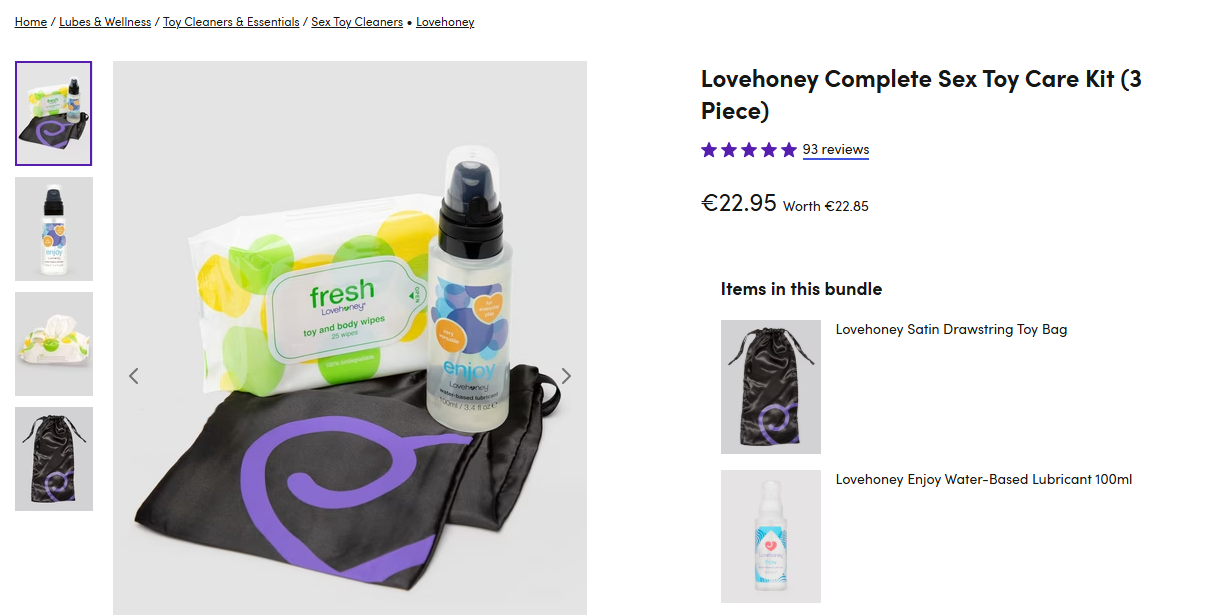
Below is a good example of a product page from Lovehoney. It describes the product without using sexual language, and the images are professional and not suggestive. It also lists all the key features and links to important information, such as shipping and returns.
7. Build trust and increase conversion
Buying sex toys can be intimidating for first-time buyers, so trust and reassurance are as important for conversion as price or product features.
Some of the ways you can do this include:
- Clear messaging about discreet packaging and billing descriptors
- Transparent delivery times and returns policy
- Prominent FAQs covering safety, materials, and hygiene
This helps remove common reasons for abandonment before checkout.
Use education to support purchasing decisions
Educational content plays a dual role; it improves conversion and supports compliance. Some of the things you could cover include:
- The differences between materials, sizes, and product types
- Beginner-friendly guides for first-time buyers
- Care and cleaning instructions
This positions your brand as helpful and credible, rather than purely transactional.
Add trust signals without overdoing it
Trust signals should be subtle but consistent. Include customer reviews and testimonials, if permitted by regulations.
Including clear contact details, support channels, and refund and subscription cancellation terms reduces customer risk and increases conversions.
8. Market your store within platform restrictions
Once your site converts reliably, the next challenge is attracting traffic within the limits imposed on adult products.
Organic search marketing is often the most sustainable channel for sex toy businesses. There’s a lot of theory to understand here, and we cover the basics in our article 12 Ways to Grow and Market Your Subscription Box.
For now, the basic idea is to create content, such as buying guides, comparison pages, and educational articles.
You then add relevant keywords to your content to ensure that it appears in the correct searches.
This attracts new customers who may not have ever heard of your brand. The aim is to build trust with them by displaying your knowledge and expertise, so that they eventually buy from you.
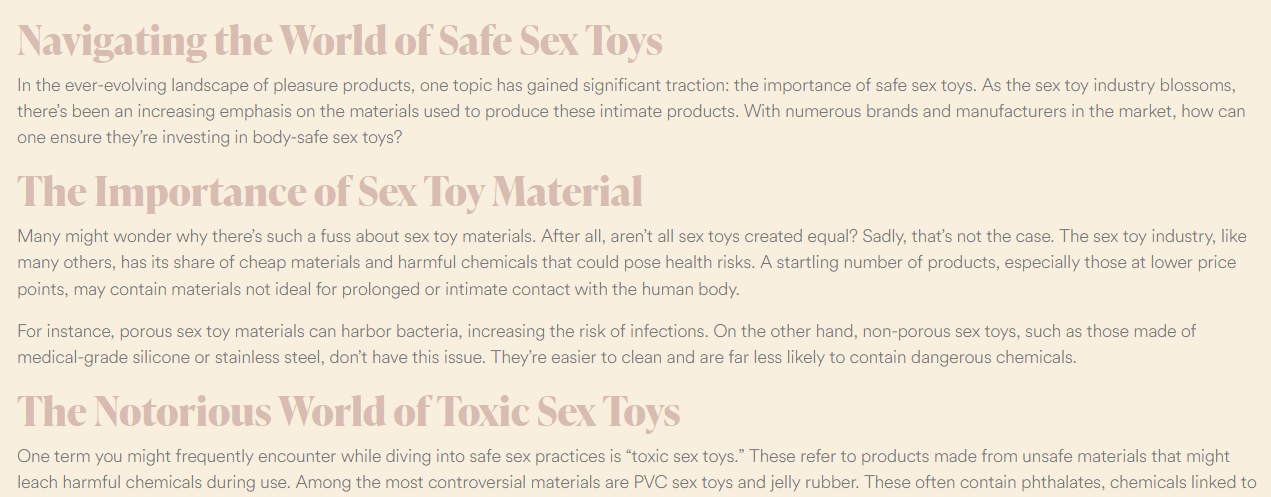
Here’s a good example, from Natural Love Company. They have created a guide to safe sex toys. It explains the difference between the materials that sex toys are made from and hygiene considerations.
This helps customers make smarter shopping decisions, ensuring they buy a product that meets their needs and gives them confidence.
Use email to build repeat relationships
Email marketing is one of the most reliable channels because you control it and can target customers with content that matches their interests.
The best way to capture email addresses is to include a sign-up box in your educational articles or offer sign-up incentives for first-time customers. Below is an example from Ohmygasm that offers customers a 15% discount for signing up.

Once customers are signed up, segment them by interest (e.g., couples, beginners, or wellness-led buyers) and set up an automated drip of educational content.
This allows you to continue building relationships with customers, making them more likely to buy from you again.
Explore partnerships and earned media
Another effective strategy is to work with influencers, affiliates, and the press. This can put you in front of new audiences who trust the person or organization you work with.
Choosing the right relationship is more important for sex toys than for other industries. Try to find creators who understand compliance boundaries.
They should focus on education and experience, not explicit demonstrations or making fun of products. Good examples are sexual wellness publications and product roundups.
Here’s a good example from YouTube. Beauty influencer Misschrissyjaye has a playlist of sex toy reviews, including this one, featuring a vibrator from Nitetoys. Her approach is professional and avoids explicit language, making her the ideal partner.
Build a Sex Toy Business that Lasts
Selling sex toys online is a genuine opportunity, but it’s not a standard ecommerce setup.
Payments, content, and subscriptions all require more care, and early decisions have long-term consequences.
The online businesses that succeed tend to start focused, build trust through clear, compliant content, and choose tools that give them control as they grow.
If subscriptions are part of your model, using a platform designed for recurring revenue makes the process simpler and more reliable.
Subbly is built for subscription businesses, with recurring billing and customer management built in.
Sign up for a trial or visit our homepage to try using Subbly’s website builder—they’re both free.


