
Why Sell Vegetables Online?
Watch our webinar and learn how to set up a community-supported agriculture (CSA) farm website in just ten minutes using Subbly.
For more information on Subbly, read the article to the end.
Why Sell Vegetables Online?
Before you start selling, it helps to understand why the online veg market is such a strong opportunity.
The market is shifting toward online and local food
More people are choosing to buy fresh produce online, driven by a desire for convenience and better-quality food. Shoppers are also becoming more selective about where their groceries come from.
One study found that 70 percent of UK consumers want to eat more seasonal produce this year.
This shift toward local, seasonal, and sustainably sourced food creates a strong opportunity for small growers and new produce businesses.
It’s easier than ever to reach customers directly
Selling online removes many of the barriers that used to limit producers. You don’t need a supermarket buyer, a farmers’ market stall, or a retail partner. Instead, you can:
- Set your own prices
- Control your quality standards
- Explain how and where your produce is grown
- Offer delivery or local pickup
- Build direct relationships with your customers
This direct-to-consumer model gives you more independence and helps you grow on your own terms.
It works for growers of any size
One of the biggest advantages of selling vegetables online is the model’s flexibility. It works whether you are:
- Growing on a small plot or backyard
- Running a family farm
- Sourcing fresh produce from local growers
- Creating curated boxes with a mix of items
You can start with a simple weekly or biweekly offering, focus on a small delivery area, and expand as demand grows.
This low barrier to entry makes it a realistic option for first-time entrepreneurs.
There are many ways to sell produce online
You’re not limited to a single format. Online vegetable sellers use a range of approaches, including:
- One-off produce boxes
- Weekly fresh-veg deliveries
- Seasonal or holiday boxes
- Salad kits or mixed greens
- Specialty items like mushrooms, herbs, or organic veg
This flexibility allows you to shape your business around what you can grow, source, and deliver consistently.
8 Steps for Selling Vegetables Online
Want to share your passion for fresh fruit and vegetables with customers online, but don’t know where to start?
In this section, we take you from choosing your product through to making your first sell.
1. Decide what you’ll sell
Before you think about suppliers or pricing, you need a clear product offering. This is what customers will see first, and it shapes everything else, including your brand, your supply chain, and the type of buyer you attract.
Choose your core focus
Start by deciding what your main product will be. You don’t need a huge catalog. In fact, most successful produce businesses launch with a simple, focused offering.
You could sell:
- Vegetables only
- A mix of fruit and veg
- Organic-only produce
- Seasonal-only produce
- A rotating weekly selection based on what’s freshest
Decide your quality and positioning
Next, choose where your business sits in the market. There’s no right answer; the best choice depends on your audience and goals.
Some options include:
Premium:
- Organic or spray-free produce
- Heritage or specialty varieties
- Strong focus on flavor and aesthetics
Everyday essentials:
- Balanced boxes with familiar items
- Good value and reliable staples
- Suitable for families and weekly shoppers
Value-led / rescued produce:
- Surplus or imperfect veg
- Low-waste, sustainability-focused messaging
- Budget-friendly boxes
This is where you set expectations. If your boxes contain knobbly carrots or oversized courgettes, make that part of your brand rather than a surprise.
Choose your product format
There are several ways to package and sell fresh produce online. Think about what fits your lifestyle, sourcing options, and target customers.
Common formats include:
- Weekly or biweekly veg boxes: Set selections delivered on a schedule
- Build-your-own boxes: Customers choose from a list of available items
- Set seasonal boxes: Curated around time of year or harvest cycles
- Veg-to-order: A simple shop where customers buy individual items
- Salad kits or juicing boxes: Niche boxes for specific uses
- Recipe or meal-prep boxes: Produce paired with recipe cards for easy cooking
Each format has a different workload. Weekly boxes are predictable, while build-your-own boxes require more stock control.
Add optional extras to increase value
Optional add-ons can lift your average order value without adding much complexity. Customers often appreciate the convenience of pairing veg with other local goods.
Popular value-added products include:
- Fresh bread
- Eggs
- Honey
- Mushrooms
- Herbs
- Jams or preserves
- Flowers
- Artisan pantry items
Keep extras simple to begin with. One or two items are enough to enhance your offering without overwhelming your workflow.
Look at what successful companies offer
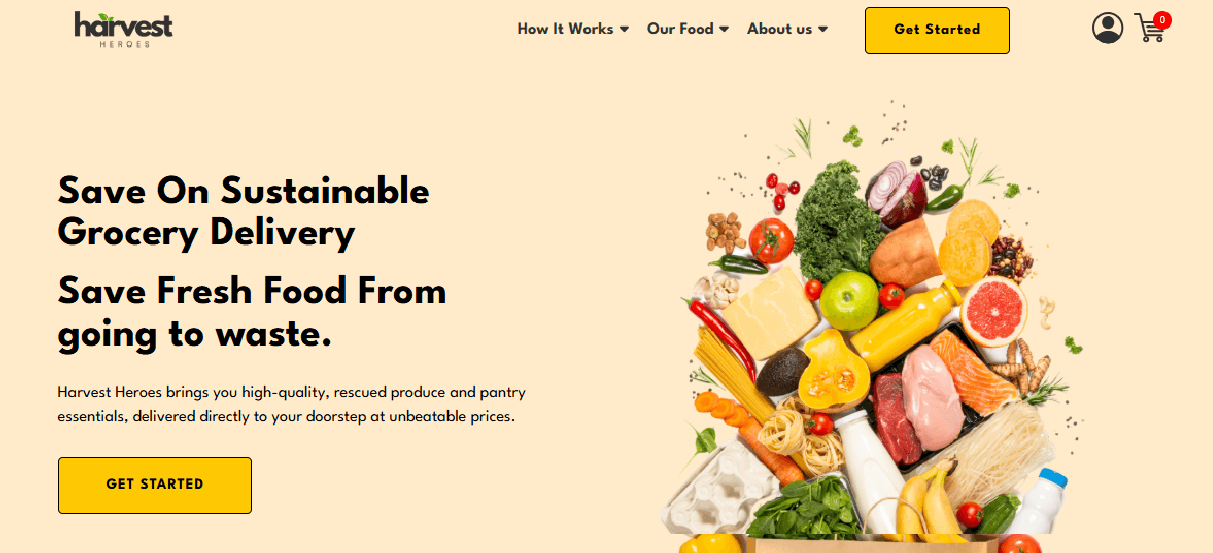
Studying established brands can help you shape your own offering and pricing. For example, Subbly customer Misfits Market offers discounted, “imperfect” produce and mixed grocery boxes.
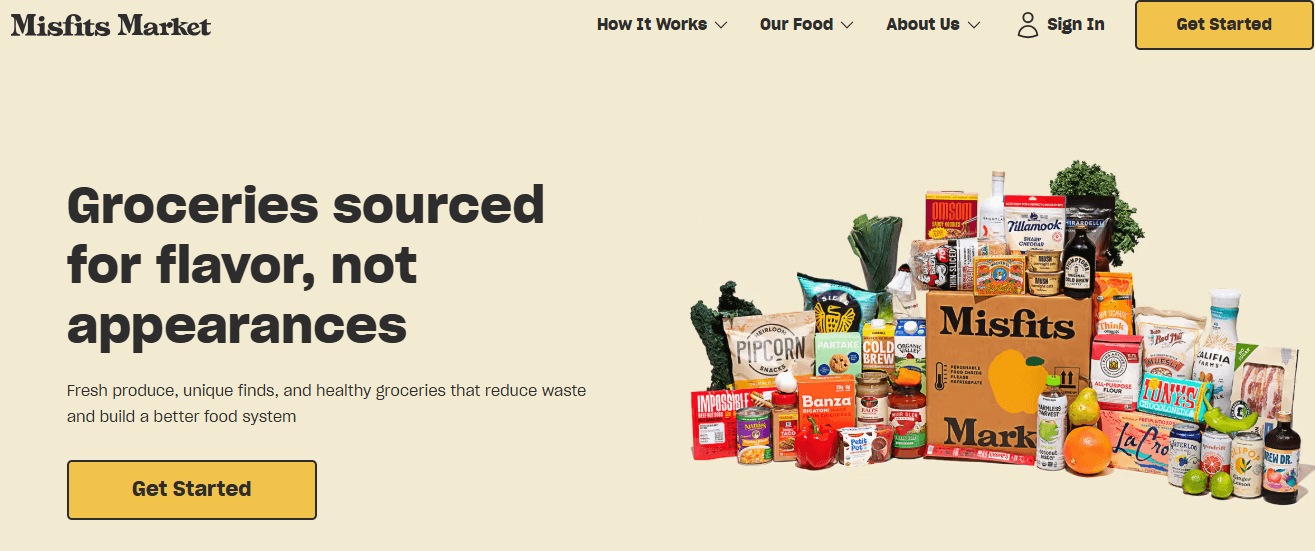
Look at how they structure their boxes, vary quantities through the year, and price their plans.
You don’t need to copy their approach, but competitor offerings give useful insight into what customers already respond to well.
2. Choose a Business Model
Once you’ve defined your product offering, decide how you want customers to buy from you. Your business model shapes everything that comes next, from pricing to delivery routes.
One-off produce boxes
Some businesses let customers buy boxes whenever they need them. It’s flexible and simple, but you’ll see more variation from week to week. This model can work well if you focus on seasonal boxes, speciality veg, or occasional deliveries.
Weekly or biweekly subscriptions
This is the most common and most stable model for veg box businesses. Customers sign up for a recurring delivery, and you prepare the same number of boxes each week. Subscriptions make planning easier, reduce waste, and create predictable revenue. They also help build long-term customer relationships.
Build-your-own or veg-to-order shops
In this model, customers pick exactly what they want each week. It gives shoppers more control but requires tighter stock management. It works best if you have access to a wide range of produce and want to run an online shop rather than a curated box business.
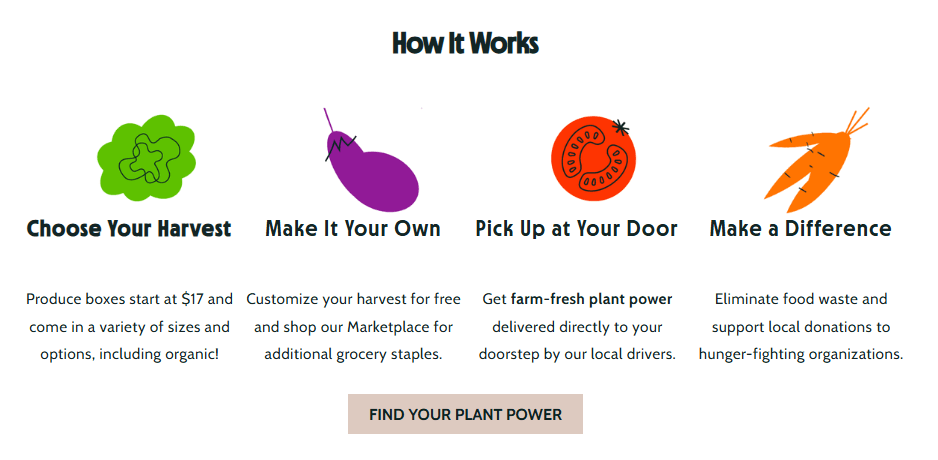
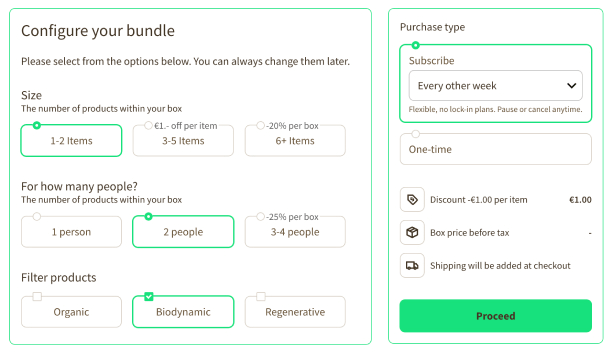
Below is a good example of this. Hungry Harvest lets customers select boxes or customize them with individual produce picks.
Hybrid approach
Many businesses combine approaches. For example, they might offer a weekly subscription box and allow customers to add one-off extras. This adds flexibility without increasing complexity too much.
Why subscriptions are the best model
While you can sell one-off boxes, the subscription business model is often the easiest and most reliable way to sell produce. Subscriptions offer:
- Predictable cash flow: You know how many boxes to prepare each week.
- Easier stock planning: Fewer surprises mean less waste and smoother sourcing.
- Higher retention: Customers tend to stick with weekly routines once they’re set.
- Better long-term customer relationships: Regular deliveries give you more opportunities to build loyalty.
Subscriptions also match how people shop for fresh food; most buyers want weekly or biweekly restocks without needing to reorder every time.
3. Build a Brand Customers Trust
Once you’ve decided what you’ll sell, the next step is building a brand that helps customers feel confident buying from you.
Here are some tips for doing this:
Give your business a clear identity
A strong brand helps you stand out in a growing market. Start with a simple name, a clear message, and a set of values that guide your operations.
Most produce businesses focus on freshness, sustainability, and transparency. Make sure these principles show up in your website copy, photography, and packaging.
Businesses like Oddbox show how a clear identity can set you apart. Their entire brand is built around reducing food waste by rescuing surplus and oddly shaped produce.
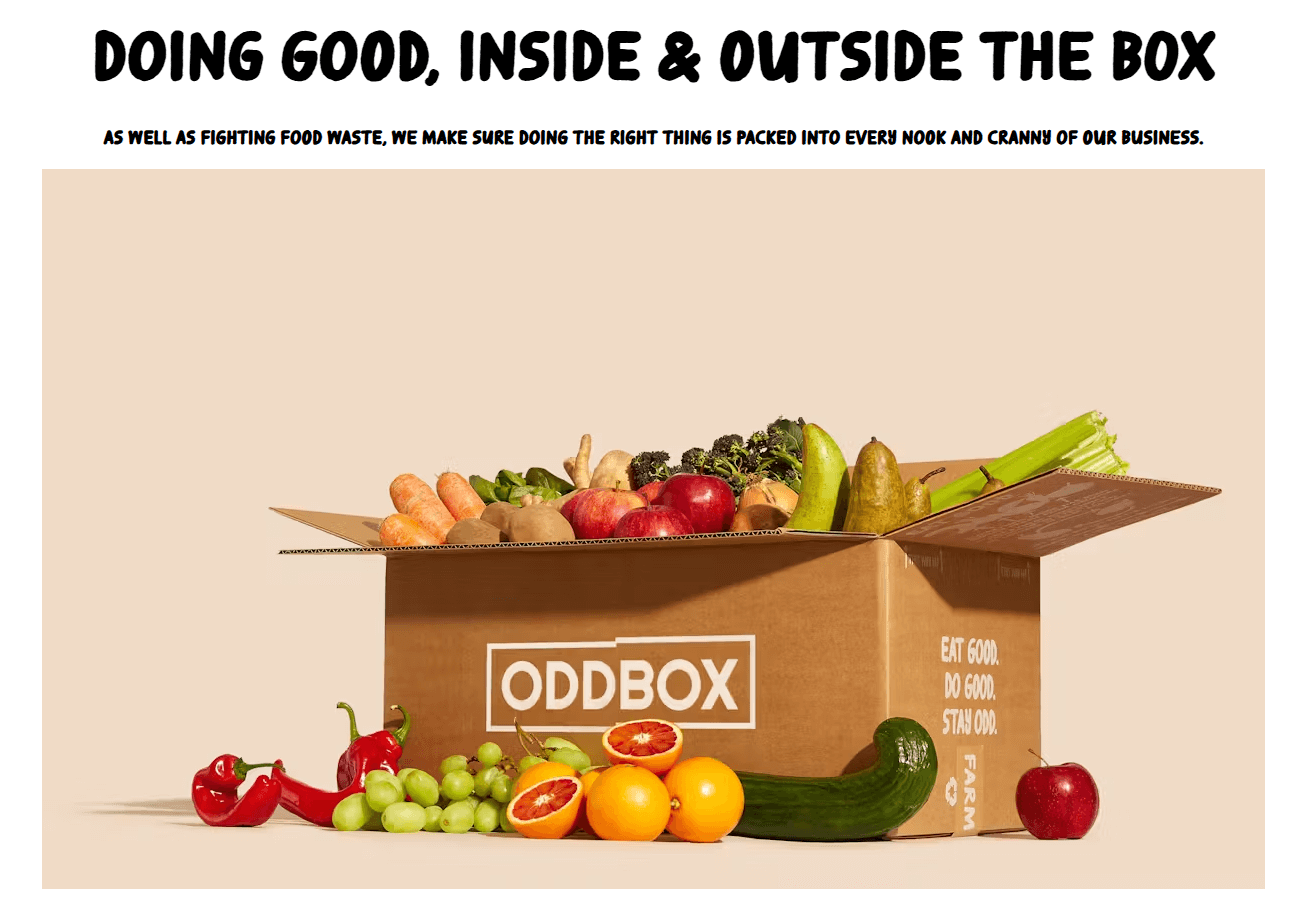
That message comes through in everything they do, from the copy on their online produce store to their photography, packaging, and customer emails.
The values are clear and consistent, making it easy for customers to understand what they stand for and why buying from them matters.
Tell your origin story
Customers want to know who grows or sources their food. Explain why you started the business, how you source or grow your produce, and what makes your offering different.
This doesn’t need to be dramatic. A simple story about wanting fresher local food or reducing waste can be enough to build trust.
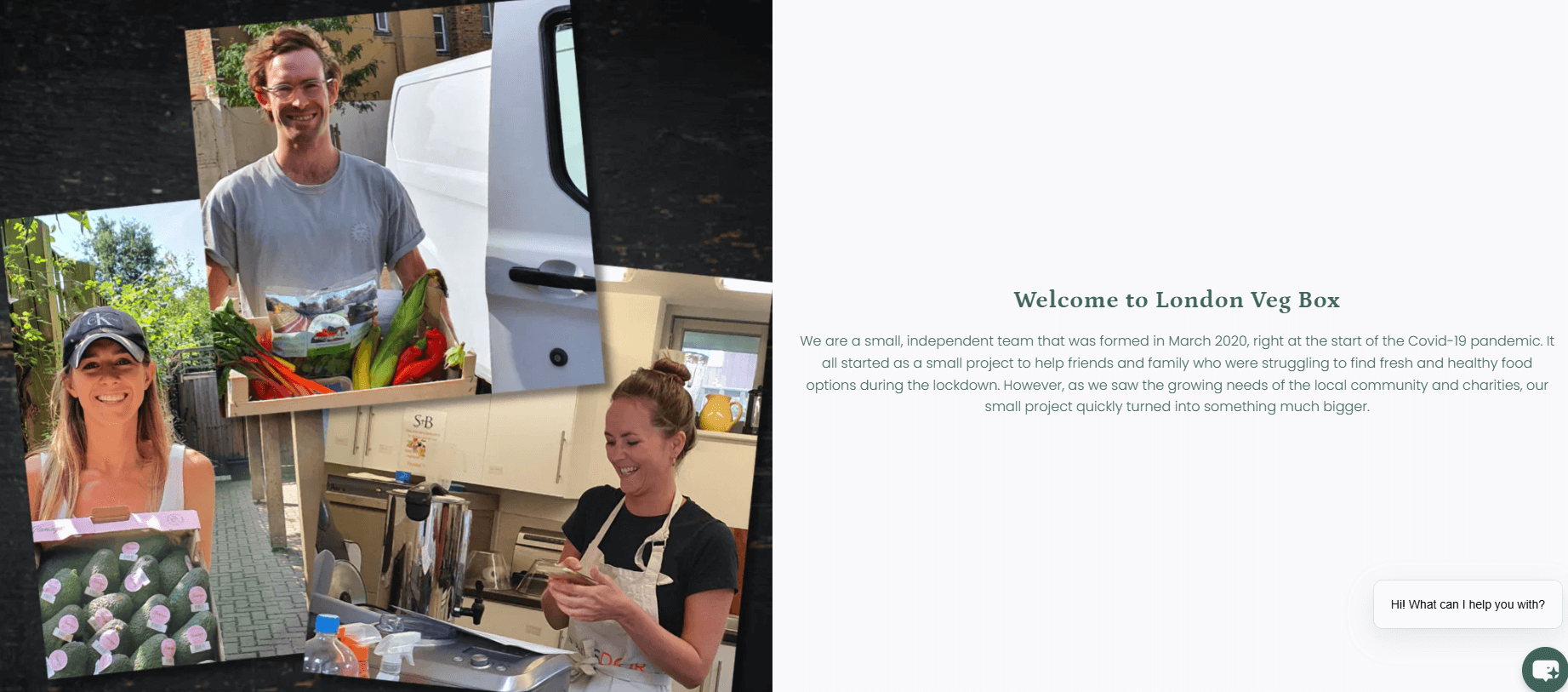
For example, London Veg Box has a page dedicated to how the company was started to help friends and family find fresh food during the COVID-19 lockdown. This allows local customers to understand the company’s mission and ethics.
Create strong product descriptions
Clear descriptions help customers understand exactly what they’re buying. Be specific about:
- Quantities and typical item counts
- Seasonal changes
- How and where produce is grown or sourced
This transparency helps set expectations and reduces confusion, especially for first-time buyers.
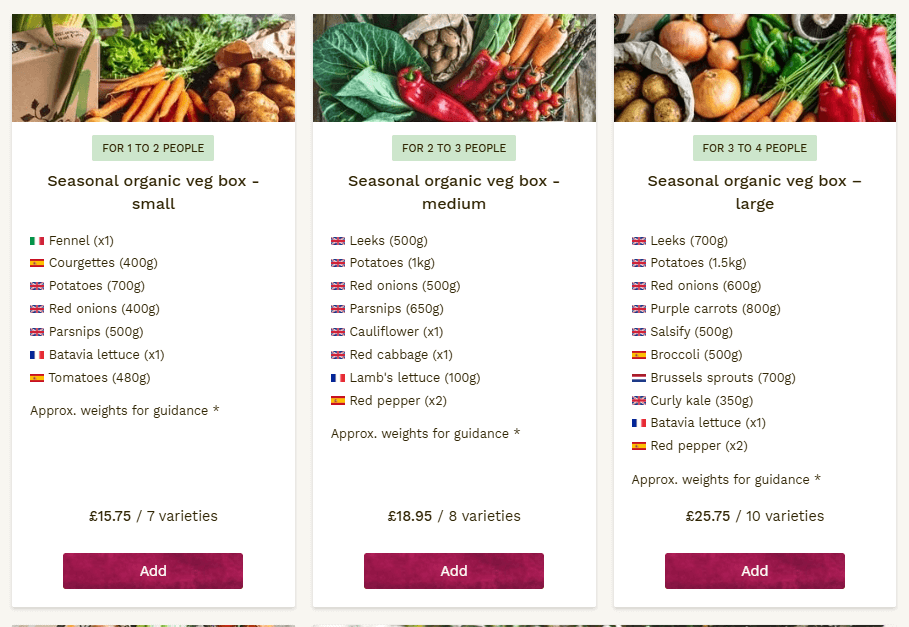
Here’s a good example from Riverford. They provide a ton of information on what produce to expect, how much, how many people it will feed, and where it has come from.
4. Set Up Your Supply Chain
Once you know what you want to sell, the next step is figuring out where your produce will come from and how you’ll keep standards high as you grow.
Plan how you’ll source produce
There’s no single “right” way to source fresh vegetables. Most online sellers use one of three approaches.
Growing your own: If you grow at home or on a small plot, you’ll need to plan ahead. That means choosing crops with reliable yields, understanding seed-to-harvest timelines, and staggering planting to maintain a steady supply. Many beginners start with herbs, salad greens, tomatoes, carrots, or potatoes because they’re dependable and low-maintenance.
Partnering with local farms: If you don’t have the space to grow everything yourself, you can work with nearby growers. This gives you access to a broader range of produce and adds authenticity to your brand. Build relationships early, so you know what each farm grows and when their harvests peak. It’s also helpful to agree on quantities, collection times, and pricing in advance.
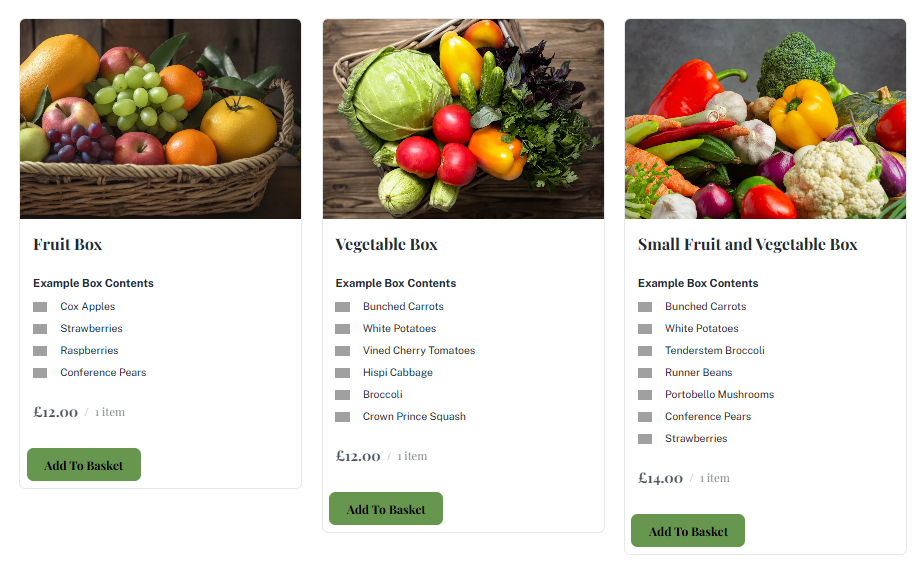
A good example of the latter is Widmore Farm in the UK. It grows 28 varieties of fruit and veg and works with other local farmers and makers to offer as much variation as possible.
Buying from wholesalers: Wholesalers are a practical option if you want variety year-round or are planning a larger operation. You won’t have the same story behind each item, but you gain consistency and volume. This is common for businesses focused on efficient packing and delivery rather than growing.
Keep quality high
Freshness is one of the biggest differentiators between a great veg box and a disappointing one. Simple processes help maintain high standards:
- Wash or rinse items where appropriate
- Sort produce by size and quality
- Store everything at the right temperature
- Use breathable or recyclable packaging
- Pack boxes in a consistent order so fragile items don’t get crushed
Set your own quality standards early, such as avoiding heavily bruised items or removing excess soil unless it helps preserve freshness.
Reduce waste with smart forecasting
Predicting demand is one of the hardest parts of selling fresh produce. The more accurate your planning, the less waste you’ll create.
Track what sells each week, note which items customers skip or swap out, and monitor seasonal trends.
This is also where subscription models make sense. When customers sign up for weekly or biweekly boxes, you know exactly how much produce you’ll need.
That stability allows you to order smarter, minimise waste, and maintain consistent box quality.
5. Price Your Boxes
Once your supply chain is mapped out, you’ll need pricing that covers your costs, feels fair to customers, and keeps your business sustainable.
Understand your costs
Break down every expense involved in creating and delivering a box:
- Produce: The cost of growing or sourcing each item
- Packaging: Boxes, bags, labels, and any insulated materials
- Delivery: Fuel, couriers, or drop-off points
- Labor: Your time for growing, sorting, packing, and delivery
- Software: Your online store, payment processing, and order management
Knowing your baseline costs makes pricing much easier and stops you from undercharging as you grow.
Use simple pricing models
Most successful veg box businesses keep their pricing straightforward:
- Flat rate per box: One price that covers everything
- Tiered plans: Small, medium, and large boxes at different price points
- Seasonal or specialty boxes: Higher-priced boxes featuring premium, organic, or hard-to-find produce
Simple pricing reduces decision fatigue and helps customers choose quickly.
6. Set up your online store
Once you know what you’ll sell, you need a place for customers to buy it. A simple, well-organised online store helps people understand your offer, choose the right box, and check out with confidence.
What your store needs
Customers expect a smooth, clear buying experience, especially when it comes to fresh food.
Make sure your store includes:
- Clean product pages: Simple layouts, clear photos, and a list of what’s typically included in each box.
- Delivery area checker: A quick way for customers to confirm whether you deliver to their address.
- Clear subscription options: Weekly, biweekly, or monthly deliveries should be easy to find and understand.
- Simple checkout: Minimal steps, transparent pricing, and guest checkout.
- Mobile-optimised experience: Most customers browse and order from their phones, especially for repeat deliveries.
A good online store builds trust before customers even place their first order.
The tools you’ll need
Setting up an online store doesn’t require coding or technical skills
At a minimum, you’ll need:
- A website builder: To design your storefront and product pages.
- Payments: A secure way to take credit or debit card payments.
- Subscriptions: Tools for recurring billing, automated renewals, and flexible delivery schedules.
- Emails: For order confirmations, delivery reminders, and customer updates.
- Customer management: A simple dashboard to track orders, subscribers, and issues.
These tools create a smooth experience for both you and your customers
Subbly’s AI website builder allows you to create a ready-to-sell storefront by entering simple, descriptive prompts.
Tell it you run a weekly veg box subscription, and it generates the key pages, layouts, and product sections for you. You can then use further prompts to tweak the details.
It’s fast to launch a clean, subscription-ready store without designers or developers. Try it free today. Simply visit our homepage and start typing instructions into the prompt box. Sign up for a free trial and the AI agent will convert your prompts into code and create a unique subscription-ready website.
From there, you can use further prompts, code, or our drag-and-drop editor to customize it.
7. Plan your delivery and fulfilment
Even if your produce is excellent, your customer experience depends on how well you pack, handle, and deliver each box.
Most new businesses start with one of three delivery styles:
- Hand delivery: Ideal for hyper-local delivery zones and tight-knit communities.
- Local courier: A good option if you want predictable timings without doing the driving yourself.
- Pickup points: Partner with cafés, gyms, or community centers to reduce delivery costs and offer flexible collection.
Choose the method that fits your schedule, budget, and delivery area.
Start with a small delivery zone to keep things manageable. Once your subscription base grows and your routes become more efficient, you can expand gradually.
You should also let customers know when to expect their box and send reminders if possible.
Packing matters
The small details make a big difference in fresh produce delivery. Focus on creating a consistent and enjoyable experience.
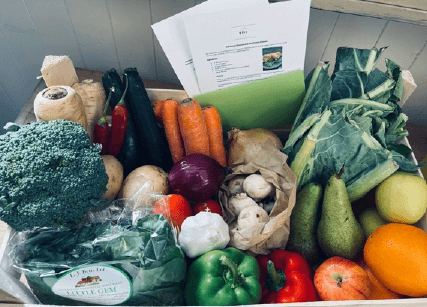
Including items like recipe cards in the box, as shown below from The Veg Lord, is a good way to enhance the experience and further build your brand.
8. Market your vegetable business
By this point, you’ve got everything you need to sell and deliver your first veg boxes to hungry customers.
But how can you encourage them to click buy? That’s where marketing your subscription box comes in.
Here are some ways you can increase your online visibility and convert that interest into purchases.
Publish helpful content
Many veg box businesses grow by sharing practical, everyday content. Think recipes using that week’s produce, unboxing videos, or short updates from the farm or market.
Behind-the-scenes harvesting stories and small supplier spotlights build trust and create a sense of connection.
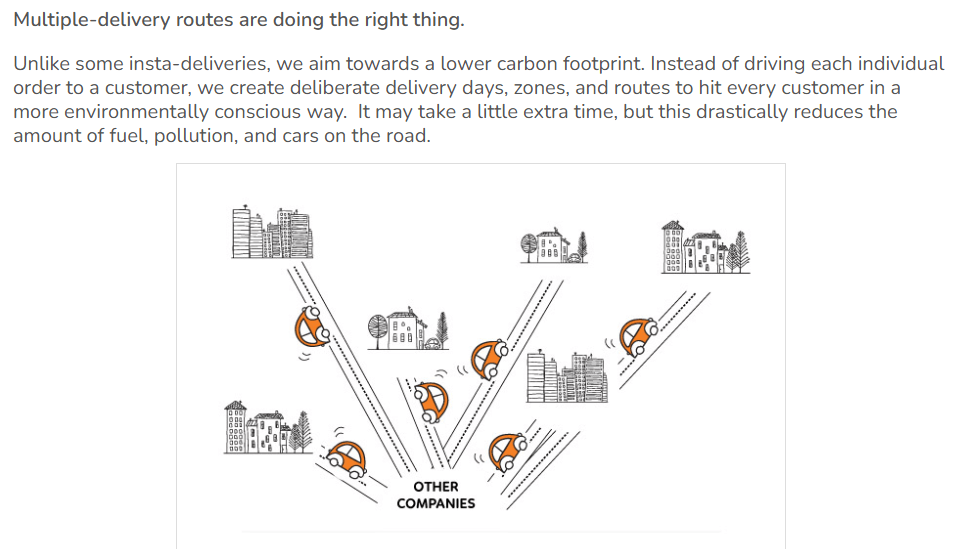
One example of this in action is GrubMarket in the United States. On their blog, they regularly share updates about how and where they source their produce, including posts that highlight their partnerships with local, organic and sustainable farmers.
These behind-the-scenes stories help customers understand the care that goes into each delivery and reinforce why their service is fresher and more trustworthy than a typical supermarket shop.
Use social media
Short-form platforms work particularly well for food businesses. TikTok recipe lists, quick cooking demos, or simple “what’s in this week’s box” reels can reach a wide audience.
Instagram is great for harvest photos or delivery-day stories, while local Facebook groups help you connect with nearby households.
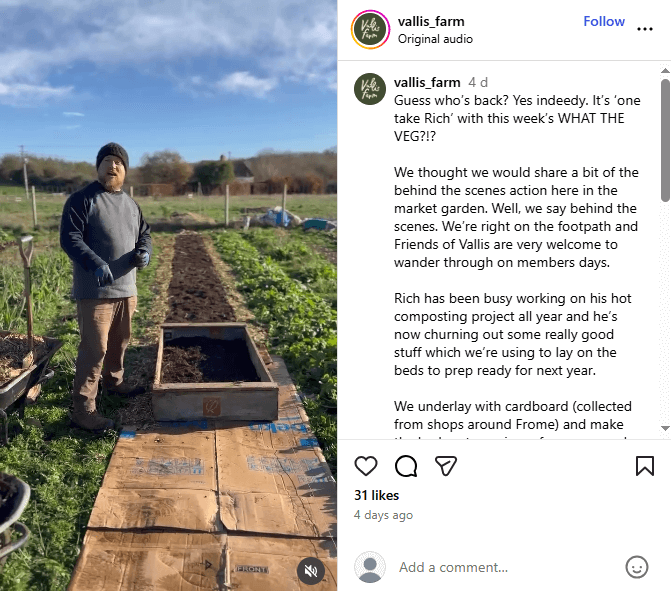
A good example of this is Vallis Farm, a veg box business that posts weekly “WHAT THE VEG?!” reels on Instagram.
Each video shows exactly what’s in that week’s box, filmed in a simple one-take style that feels personal and authentic.
These short clips help customers see the freshness and variety of the produce, and they create a sense of anticipation for the next delivery.
Offer incentives
Everyone loves a good reason to try something new. First-box discounts, refer-a-friend offers, or limited seasonal boxes can help you attract new subscribers without a big marketing budget.
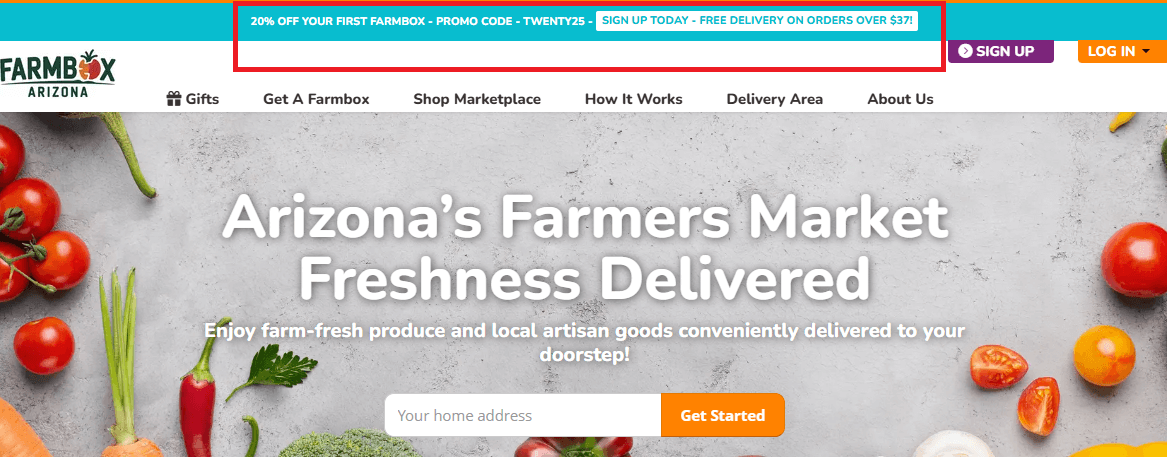
An example of this is Farmbox Arizona, which promotes a simple incentive on its homepage: 20 percent off your first box when you sign up.
It’s a straightforward offer, but it lowers the barrier for new customers and gives them an easy reason to try the service.
Incentives like this work well for veg box businesses because once customers experience the freshness and convenience, many choose to continue with weekly deliveries.
Work with local partners
Partnerships open doors. A café might let you drop flyers on the counter, a gym could become a pickup point, and a community center might feature your business in their newsletter.
Working with local partners helps you reach people who already trust them. A café, gym, or community space can introduce your boxes to their regulars in a natural way.
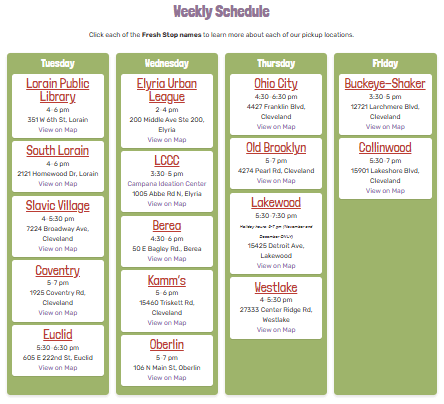
A good example of this is City Fresh in Ohio. Rather than delivering door-to-door everywhere, they partner with local community centers, schools and other neighborhood venues to act as weekly pickup points.
These locations already serve local residents, so City Fresh can reach more people through places the community knows and trusts. It’s a simple way to expand without taking on extra delivery routes.
Why a Subscription Model Works Best for Veg Boxes
Subscriptions are the backbone of most successful veg box businesses, and there’s a simple reason for it: both customers and sellers benefit from a predictable routine.
Growers and suppliers benefit from:
- Easier planning: You know roughly how many boxes you’ll need to prepare each week, which means you can source the right amount of produce, reduce waste, and buy with confidence.
- Smooth cash flow: Instead of inconsistent one-off sales, you have recurring revenue you can rely on.
- Keep customers engaged for longer: Unlike someone buying a produce box as a one-off treat, subscribers make your service part of their weekly habits.
- Easier to satisfy customers: Subscribers get fresh food without reordering every time, and you gain a more reliable customer base that’s easier to serve well.
This model also fits neatly into how people already shop. Weekly meal-prep kits, grocery subscriptions and fresh-food delivery services have become mainstream, so veg box subscriptions feel familiar.
Customers understand the format, expect the routine and value the convenience. It’s a simple foundation for a stable, long-term business.
Why Subbly is the best platform for selling veg box subscriptions
The subscription business model is ideal for veg box businesses. However, most ecommerce platforms like Shopify and WooCommerce don’t provide the right functionality for selling subscriptions.
Instead, business owners need to rely on third-party plugins. These are often buggy, don’t integrate well, and offer limited functionality. This creates a ton of extra admin and makes it difficult for them to scale their business.
That’s why we created Subbly. It’s a subscription-first ecommerce platform that makes it easy for businesses to sell products online on a recurring basis.
It offers everything veg box subscription companies need, from sign-ups and renewals to delivery scheduling. And with its AI website builder and pre-made templates, it’s easy for non-technical people to get their online presence up and running.
This functionality is all built-in. No bolt-on plugins or complicated workarounds. It’s a practical choice for veg box businesses that want reliable tools and no technical challenges.
Subbly offers:
- Recurring billing
- Flexible delivery schedules
- Customer self-service for managing subscriptions
- Automatic renewals
- Subscription-ready templates
- Drag-and-drop editing with no code
- A storefront you can launch quickly
- Flexible subscription rules
- Built-in email tools
- Customer management features
- Delivery-window options
- Clear order and customer management
- Integrated communication tools for delivery updates
We’ve got a veg box website template set up, ready for you to start using straight away.
Start Selling Vegetables Online Today
Selling vegetables online is one of the most accessible ways to build a flexible, reliable business.
With the right product offering, a clear brand, and a simple online store, you can reach customers who want high-quality groceries, fresh produce, and convenient delivery.
Whether you’re growing your own veg, sourcing from local farms or creating curated seasonal boxes, the steps in this guide give you a clear path from idea to launch.
And if you choose to run your business on subscriptions, you’ll have a predictable, resilient model that supports long-term growth.
With a platform like Subbly handling your storefront and subscription tools, you can focus on what matters most: sourcing great produce, serving your customers well, and building a business that grows week after week. To get started with Subbly, sign up for a free trial.


