
The Benefits of Building a Direct-to-Consumer Brand
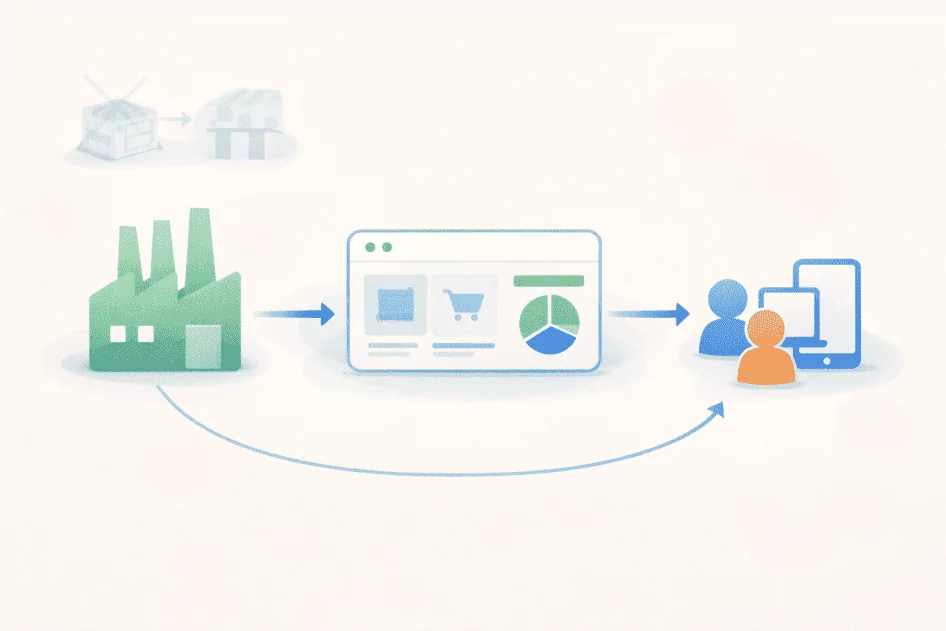
Whether you use D2C exclusively or only partially, the model offers plenty of benefits compared to promoting and selling your goods through resellers. Here are the most important ones.
Full control over your profit margins
Eliminating middlemen keeps distribution costs low, allowing you to invest more in building customer relationships, creating stronger USPs, and customizing offers. This ultimately results in happier customers and higher profit margins.
The ability to customize experiences
Consumers have come to expect tailored marketing and personalization. A D2C brand can collect customer data directly and use it to create targeted experiences that improve customer loyalty.
A tighter grip on data
When you delegate the sale of your product to a third-party distributor, you rarely get to know your customers. While market research can give you valuable insights, it’s not enough, and you risk missing your true target audience.
With a D2C brand, however, you get exclusive access to your customers’ data. This gives you more opportunity to create a marketing strategy based on real data.
End-to-end control of the customer journey
D2C brands often have complete control of the customer journey from first touch to repeat purchase. This makes it easier to test marketing campaigns, optimize checkout flows, and build ongoing relationships through email, subscriptions, and personalized offers.
In turn, these more direct customer relationships foster greater loyalty and help keep your brand top of mind.
D2C Business Model Challenges
The direct-to-consumer model gives brands more control but also places greater responsibility on the business. Below are the four challenges that D2C brands typically face.
Rising customer acquisition costs
Acquiring customers has become more expensive across most digital channels. For example, customer acquisition costs have increased by around 60%, putting pressure on ecommerce and D2C company margins alike.
Without strong retention, repeat purchasing, or subscriptions, these rising costs can quickly outweigh customer lifetime value (CLV).
Competitive market saturation
Many D2C categories are crowded, particularly beauty, fashion, wellness, and home goods.
Products are often easy to replicate, which makes differentiation harder. Standing out requires clear positioning, consistent branding, and ongoing marketing investment, especially when competing against larger or better-funded brands.
Operational and fulfillment complexity
D2C brands manage the entire customer journey themselves. That includes inventory, warehousing, shipping, returns, and customer support.
As order volumes grow, operations become more complex. Without the right systems in place, costs increase, and service quality can suffer.
Scaling without losing control
Growth puts pressure on every part of a D2C business at once: technology, fulfillment, customer service, and internal workflows. If these do not scale together, customers notice through stock issues, delivery delays, or poor support.
Scaling successfully usually requires earlier investment in automation and infrastructure than many brands expect.
Practical Tips for Building a D2C Business Model
If you’re starting a direct-to-consumer business from scratch, success comes down to making a few foundational decisions early.
These tips focus on setting up a D2C model and avoiding unnecessary complexity.
Start with a clear value proposition
D2C works best when there is a clear reason for customers to buy directly from you. That might be better pricing, added convenience, higher product quality, or stronger brand alignment.
Before considering channels or campaigns, define what makes buying directly meaningfully better than alternatives.
Case study: Casper

When U.S. mattress company Casper started out, they performed thorough research to identify market trends.
They found that shopping for a mattress is a frustrating experience, even though most people have very basic requirements.
So they developed the best mattress they could and focused on selling just that one product directly to consumers. This made the buying process much easier for its customers.
Selling just one product when resellers were offering up to 200 options might sound foolish, but limited choice was exactly what consumers wanted.
The result? $100 million in sales in less than two years.
Design the buying experience deliberately
Control of the customer journey only creates value if the experience is simple and intuitive.
Focus on clear navigation, fast checkout, transparent pricing, and straightforward communication after purchase. Small points of friction at these stages can have a disproportionate impact on conversion and customer retention.
Case study: Warby Parker
 Eyewear brand Warby Parker built its D2C business around removing friction from the buying experience.
Clear pricing, a simple checkout, and its Home Try-On program reduced uncertainty for online shoppers and made purchasing feel low risk.
By focusing on ease and clarity at key decision points, the brand improved conversion and built strong customer loyalty as it scaled.
Keep operations simple in the early stages
Overcomplicating operations too early can slow growth. Many successful D2C brands start with a narrow product range and straightforward fulfillment, then expand once demand is proven. Simple processes are easier to manage, measure, and improve.
Build for retention, not just first purchases
Customer acquisition is expensive, making repeat purchases critical. Even if you begin with one-off sales, your model should encourage customers to come back through account features, email communication, and flexible ordering options. Sustainable D2C growth depends on lifetime value, not just traffic.
Consider subscriptions where they make sense
One way to help ensure repeat purchases is to sell your products or services on a subscription basis.
Subscriptions are not right for every product, but they work well when customers reorder regularly or value convenience.
When they fit, subscriptions can improve retention, revenue predictability, and customer lifetime value. Flexibility is key: customers should be able to change, pause, or cancel easily.
Case study: Rhythm Nutrition
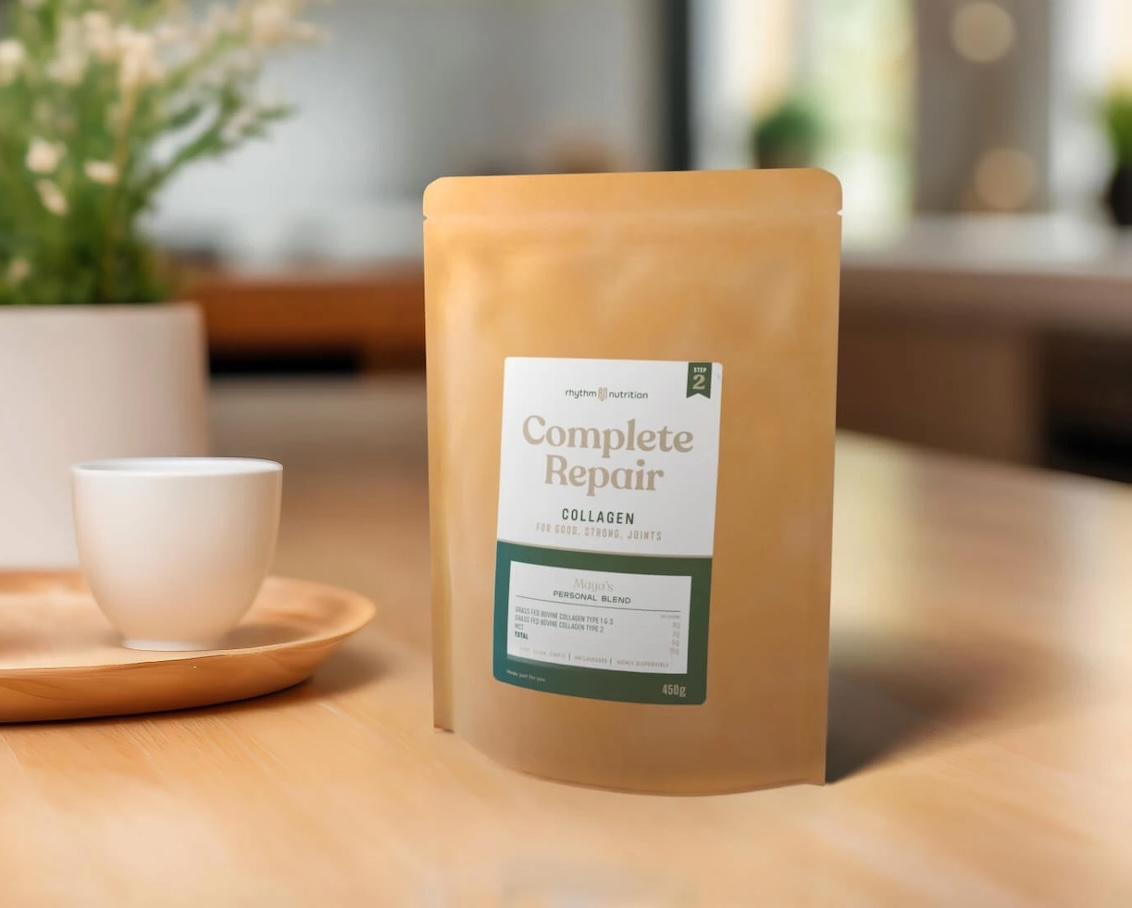
Over-40s supplement provider Rhythm Nutrition started by selling its products directly to customers online.
As repeat purchase patterns emerged, the brand introduced flexible subscription options to support regular reordering.
This reduced friction for returning customers, increased repeat purchases, improved revenue predictability, and allowed customers to pause, change, or cancel deliveries as needed.
Choose a platform built for direct selling
Running a D2C business means managing payments, orders, customer data, and fulfillment in one place.
Starting with a platform designed for direct selling helps avoid fragmented systems, reduces manual work, and makes it easier to scale without rebuilding your setup later. Examples include Shopify and WooCommerce.
However, these platforms are not well-suited to subscriptions, as most were designed for one-off transactions.
Adding subscriptions requires workarounds, third-party plugins, and manual processes to handle recurring billing, changes to delivery schedules, or failed payments.
These limitations affect day-to-day operations. Simple actions like pausing, skipping, tracking customer data, or changing a subscription require time and effort and often lead to errors.
As subscription volumes grow, these gaps create friction for the business and a poor customer experience.
Subscription-first platforms are designed with recurring purchases built in from the outset.
This means features such as flexible billing cycles, self-service customer account management, subscription rules, and recurring payments are available from day one and work seamlessly.
Start Selling D2C Subscriptions with Subbly
As D2C brands grow, subscriptions often become a natural way to support repeat purchases.
At that point, standard ecommerce platforms can struggle, as they are built for one-off transactions rather than recurring revenue.
Subbly is a subscription-first ecommerce platform designed to manage subscriptions from the outset.
It simplifies recurring billing, customer account management, and subscription changes without relying on workarounds or plugins.
If subscriptions are part of your D2C strategy, you can try Subbly for free and see whether it fits your business.


