


1. Decide what you want to sell on subscription
Start by looking at your products, services and online store and consider what kind of subscription service would complement it.
Products sold through subscriptions usually fall into four main categories:
- Essential consumables: Products people can’t live without (or don’t want to). Examples include coffee subscriptions or toilet paper.
- Systems: Certain proprietary products that require very specific refills. Gillette razors, for instance, require Gillette replacement heads.
- Collectibles, passions and hobbies: These products fall within niche consumer markets or “fandoms”. Movie buffs, for example, might enjoy having the latest releases delivered to their door.
- Memberships, services, and access: These types of subscription businesses usually sell a lifestyle, a time-saving service, or paid access to a ‘members only’ area, such as a content library, instructional videos, or even an exclusive shop.
It’s also worth considering what impact introducing a subscription model will have on the rest of your business. For example, will customers stop buying your one-off products if they all switch to subscriptions? Either way, you should update your business plan to reflect this major change.
2. Identify target customers
You probably already have ideal customer profiles (ICPs). These are customers who not only benefit significantly from your product or service but also who are profitable to serve.
For example, you might target young professionals because they have more disposable income and high health awareness.
However, the type of customer who wants to buy your products or services on a subscription might differ from those who buy on a one-off basis.
For example, most men might buy a one-off razor, but only those who care about being well-groomed and clean-shaven would buy razor blades on a subscription.
If you haven’t already developed customer profiles, or want to start afresh, then consider the following factors:
- Demographic: Assess characteristics such as age, gender, income, education, and family size to understand who your potential customers are.
- Geographic: Determine the physical locations of your customers, including country, region, city, or neighborhood, to tailor your offerings accordingly.
- Psychographic: Explore the lifestyles, interests, values, and personalities of your audience to align your products or services with their preferences.
- Behavioral: Analyze customer behaviors, such as purchasing habits, brand loyalty, and product usage, to identify patterns that can inform your marketing strategies.
3. Make your subscription compelling

Now that you know what you want to sell and who you want to sell it to, it’s time to think about adding value and getting people excited about their subscription.
Here are some areas to consider:
Packaging
While the quality of your product is essential, so is how it’s presented. Your product presentation and unboxing experience have a direct impact on customer satisfaction.
Here are some packaging best practices:
- Choose durable materials: Use sturdy packaging materials to protect products.
- Optimize box size: Avoid oversized packaging to reduce shipping costs and ensure a snug fit.
- Reflect your brand: Incorporate logos, colors, and messaging that are consistent with your brand.
- Enhance unboxing: Add tissue paper, inserts, or handwritten notes for a personalized, premium feel.
- Use high-quality printing: Ensure vibrant, clear designs with the right printing method.
- Prioritize sustainability: Use recyclable materials and minimize excess packaging.
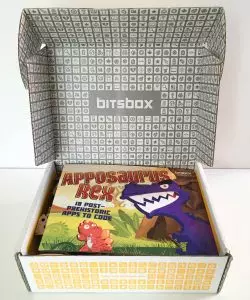
Here’s a great example of packaging that reflects a company’s brand. Bitsbox is a monthly subscription box that teaches kids to code. The retro dot-matrix style design echoes video games, promising a fun learning experience.
Curation
Curation is a critical consideration if you’re providing a subscription box. A well-curated box should feel intentional, exciting, and valuable. Here’s how to achieve that:
- Know your audience: Understand your customers’ preferences, lifestyles, and pain points.
- Ensure product synergy: Include items that complement each other, like skincare products that form a routine or snacks that pair well.
- Introduce new and exclusive items: Feature newly launched or limited-edition products to keep things fresh.
- Balance variety and consistency: Maintain a recognizable theme while keeping selections diverse.
- Test and gather feedback: Send sample boxes, track preferences, and refine your selections based on customer insights.
Subscription models at a glance
| Model | Value | Pros | Cons |
|---|---|---|---|
| Essential Consumables | Convenience: Reordering basics (coffee, toiletries). | Highest retention; predictable inventory. | Low margins; highly competitive. |
| Systems | Lock-in: Proprietary refills (razors, filters). | High “moat”; captive audience. | High entry barrier; hardware required. |
| Collectibles and Passions | Discovery: Niche hobbies and curation. | Viral potential; premium margins. | High churn risk; complex sourcing. |
| Memberships and Services | Exclusivity: Lifestyle and community access. | No physical overhead; high scale. | Requires constant content upkeep. |
An example of the power of successful curation is Subbly customer Burn Box. Each month, subscribers get a box filled with the best gear produced by firefighters, for firefighters.

This careful composition, along with a bit of Subbly magic, has helped the company achieve over $130k monthly recurring revenue from more than 2.2k subscribers.
4. Choose a subscription management platform
Having the right subscription ecommerce platform is crucial. Get one that doesn’t fulfill your needs, and you could waste hours each week performing unnecessary workarounds.
When deciding which is right for your subscription business, consider whether it enables:
- Customisable billing and shipping cycles
- The ability to set up recurring payments necessary for a subscription model
- The ability to take online payments through a seamless payment gateway
- Customer free trial periods and loyalty programs
- Integration with your existing website
- Upsell or cross-sell funnel capabilities
While you may not use every feature initially, you almost certainly will as your subscription business and online store grow. Having the flexibility to access the features you need, exactly when you need them, will underpin the long-term success of your subscription business.
5. Price your subscription right

Subscription box prices vary based on the product, niche and industry. There are, however, a few factors to help you determine the right sales price for your subscription offering:
- Product purchase price: The average cost of the items comprising your subscription box.
- Packaging and box materials: The cost of all materials associated with the presentation of your subscription products.
- Shipping, delivery and fulfillment costs: You may choose to charge a separate fee for shipping or factor it into your pricing strategy.
- Customer acquisition and marketing: How much it costs you, on average, to acquire a new customer.
- Industry average: How your pricing model compares to other similar industry offerings.
6. Create a marketing plan
The marketing strategy used by subscription businesses differs from that of a one-time product-only business.
These ‘traditional’ businesses use marketing to acquire customers and convert interest into individual sales, which is usually their final goal.
While subscription-based businesses certainly leverage marketing for customer acquisition, there is an equal, if not greater, emphasis on marketing for customer retention.
Here are a few marketing methods that can encourage both new and existing customers to increase their spending.
Content marketing
Content marketing is creating and sharing valuable content to attract and retain subscribers. Instead of direct promotion, it builds trust and positions your brand as an authority.
For subscription businesses, it’s essential. It educates potential customers, nurtures leads, and keeps subscribers engaged. A strong content strategy can reduce churn and drive referrals. Let’s take a look at how to do it:
📰 Unboxing videos: Show customers what to expect and create excitement.
📰 How-to guides: Teach subscribers how to use products effectively.
📰 Customer stories: Highlight real experiences to build trust.
📰 Behind-the-scenes content: Showcase your curation process to add authenticity.
Here’s a good example of content marketing from Subbly customer Think Outside. The company sells subscription boxes full of outdoor adventures that families can enjoy together.
The company’s blog features guides to help families enjoy the outdoors, such as this one on winter activities for kids.
Once you’ve created your content, consider using search engine optimization to boost it further.
Search Engine Optimization (SEO) enhances your website’s visibility on search engines, making it easier for potential customers to find your subscription business. Around 75% of users never go past the first page of Google, making page-one rankings critical for visibility.
We discuss SEO in greater detail in our article on getting your first customer.
Email marketing
Email marketing remains one of the most efficient customer acquisition and retention methods. Email marketing delivers an average return of around $36–$40 for every $1 spent, making it one of the highest-ROI marketing channels. It’s fast, effective, and easy to deliver different messages to your various audience segments.
📧 Attract new subscribers with free samples or limited offers.
📧 Send emails at least once per month.
📧 Provide content that subscribers will find interesting or valuable.
📧 Ask subscribers for feedback on your emails, products and service.
📧 Personalize your campaigns by addressing subscribers by their names and providing content unique to their interests.
📧 Use automation: This triggers emails that are sent out in response to specific behaviors—for example, when customers make a purchase.
Social media marketing
Social media marketing is about engaging in conversations and fostering relationships within your niche. For subscription businesses, it builds brand awareness, nurtures potential customers, and encourages word-of-mouth growth.
How to do it:
👍 Join conversations: Engage with trends, industry discussions, and customer posts.
👍 Encourage user-generated content: Share unboxing videos and testimonials from subscribers.
👍 Host live Q&As: Answer questions and build trust with your audience.
👍 Run polls and interactive posts: Get customer feedback and encourage participation.
👍 Partner with influencers: Collaborate with trusted voices in your niche to showcase your subscription, build credibility, and reach new audiences through authentic recommendations.
7. Attract more subscribers
If you’ve worked through the steps above, you’re already on your way to acquiring subscribers and building a successful subscription business. Now, let’s kick it up a notch and explore ways to increase and retain your paid subscriber count.
Offer customers a deal they can’t refuse
While subscription companies offer potential subscribers joining discounts or “first box free” incentives, don’t be afraid to experiment with promotions outside the box (no pun intended).
If you’d rather not lower your price, consider throwing in something extra; a free sample, exclusive content, something that makes them feel like they’re getting more for their money.
For example, VINEBOX, a wine-by-the-glass subscription service, introduced a unique ’12 Nights of Wine’ advent calendar.
This limited-time offering featured twelve different wines, each packaged in a glass-sized vial, designed to be enjoyed over twelve nights. The promotion provided customers with an interactive and festive wine-tasting experience during the holiday season.

Upsell and cross-sell
Think about ways you can add even more value to your customers’ subscriptions. This could involve:
- Upselling: Giving them the opportunity to buy more for a discount.
- Cross-selling: Giving them the opportunity to buy other, related products.
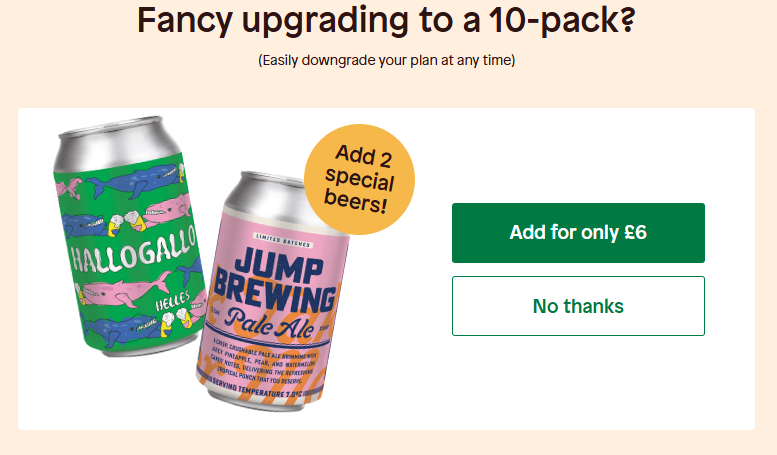
For example, beer subscription box business, Beer52 allows customers to upgrade to a 10-pack upon sign up. These two beers are 10% cheaper than the ones provided in the regular subscription.
This provides Beer52’s customers with better value for money, while providing the company with more revenue.
Referral programs
Encourage existing subscribers to bring in new customers by offering incentives like discounts or free boxes if they refer a friend. Word-of-mouth marketing builds trust and attracts high-quality leads who are more likely to stay subscribed.
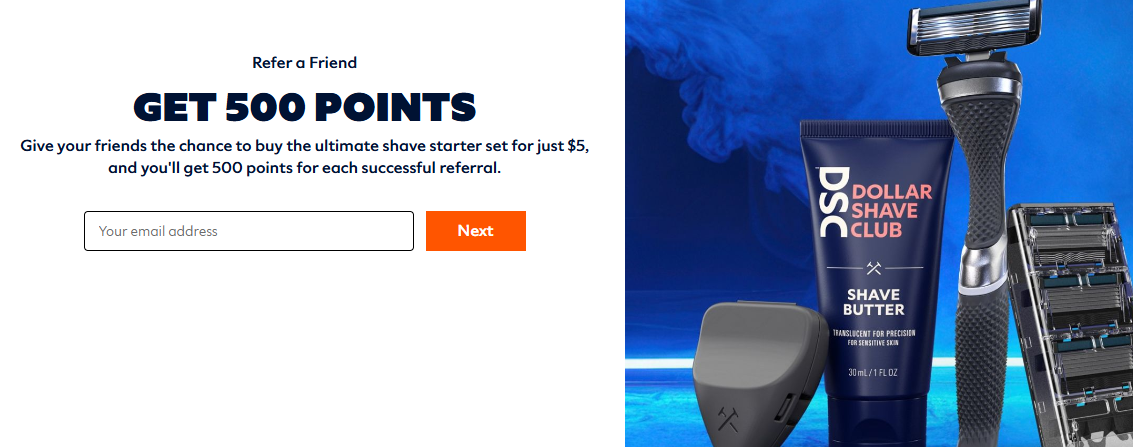
For example, Dollar Shave Club offers 500 points to any subscriber who gets a friend to buy a starter set. This can be exchanged for discounts on the company’s products.
Retargeting campaigns
Re-engage visitors who showed interest but didn’t subscribe or abandoned their cart. Use targeted ads to remind them of your offer, highlight unique benefits, or provide a limited-time incentive to convert hesitant customers into subscribers.
Promotions
Offer time-sensitive discounts, free trials, or bonus items to entice new subscribers and reward loyal customers. Well-timed promotions can reduce churn, drive sign-ups, and create excitement around your subscription.
8. Track important subscription sales metrics
Subscription metrics help identify and improve underperforming business areas and capitalize on successful ones.
Some of the metrics you might consider tracking include:
- Monthly Recurring Revenue (MRR): How much revenue you can expect each month. On a basic level, this is calculated by taking the average revenue you earn per subscriber, per month, and multiplying it by your total number of subscribers. However, for a fully accurate figure, you will also need to take into account revenue fluctuations from upgrades, downgrades, churn, and discounts.
- Annual Recurring Revenue (ARR): ARR is used for long-term revenue forecasting. The easiest way to do this is to multiply your average monthly revenue per subscriber by the total number of subscribers, and multiply again by 12.
- Average Revenue Per User (ARPU): This metric is helpful for subscription businesses that offer multiple tiers, as analyzing it by tier can show you which plans consume the most resources while lagging behind in value contribution. To find your ARPU, divide your MRR by the total number of subscribers. This is a useful metric to see how you compare to competitors, as you can estimate other companies’ ARPU from public data and see where you stack up.
- Customer Lifetime Value (CLV): The CLV is the average worth of a customer over the period of their relationship with the business. Tracking this metric is a crucial part of any successful subscription business model – in summary, the higher this number, the more likely it is that your subscribers are truly perceiving the value of your offer.
Real-life Examples of Subscription Business Models
Let’s take a look at some companies that have successfully implemented a subscription model into their business.
GoPro
You’ll likely be familiar with their adventure cameras and equipment, but did you know GoPro has also added a subscription-based service to their business model?
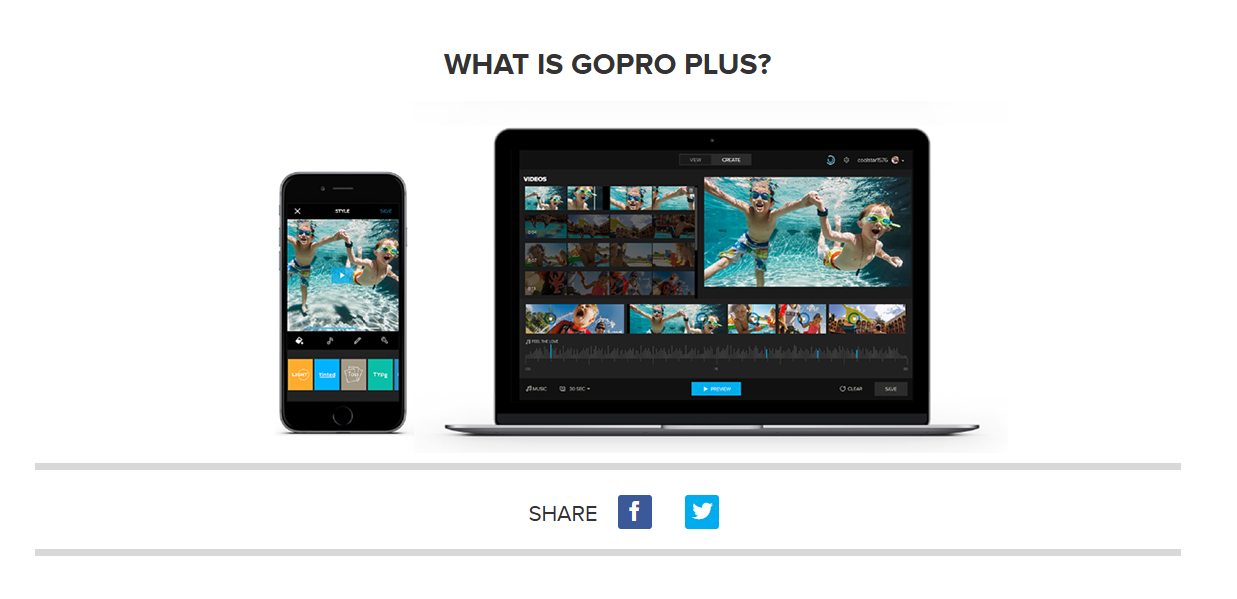
The GoPro app gives users everything they need to create short, memorable videos to share with friends and family.
They’ve added GoPro Plus, a cloud-based storage system that is designed to integrate seamlessly with the subscription app. They’ve priced their offering at a low flat monthly rate, making it an attractive add-on for all types of customers.
Breo Box
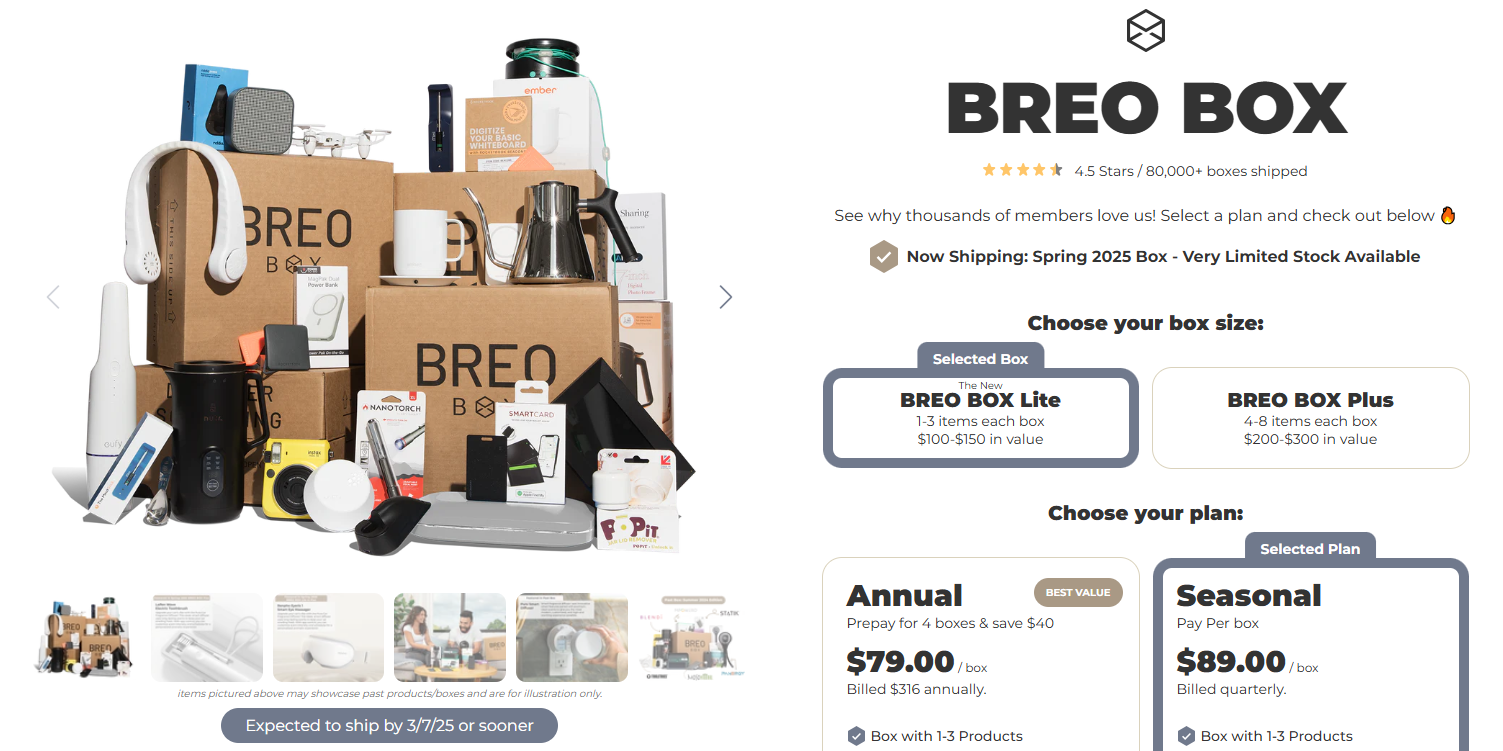
Breo Box is the ultimate subscription for people who love technology and new gadgets. Every three months, Breo Box subscribers receive a box containing five to eight name-brand tech gadgets with a combined value of more than $300.
At just $159 per box, or just under $145 per box when purchased annually, this subscription box offers great value for electronics enthusiasts of all ages.
ClassPass
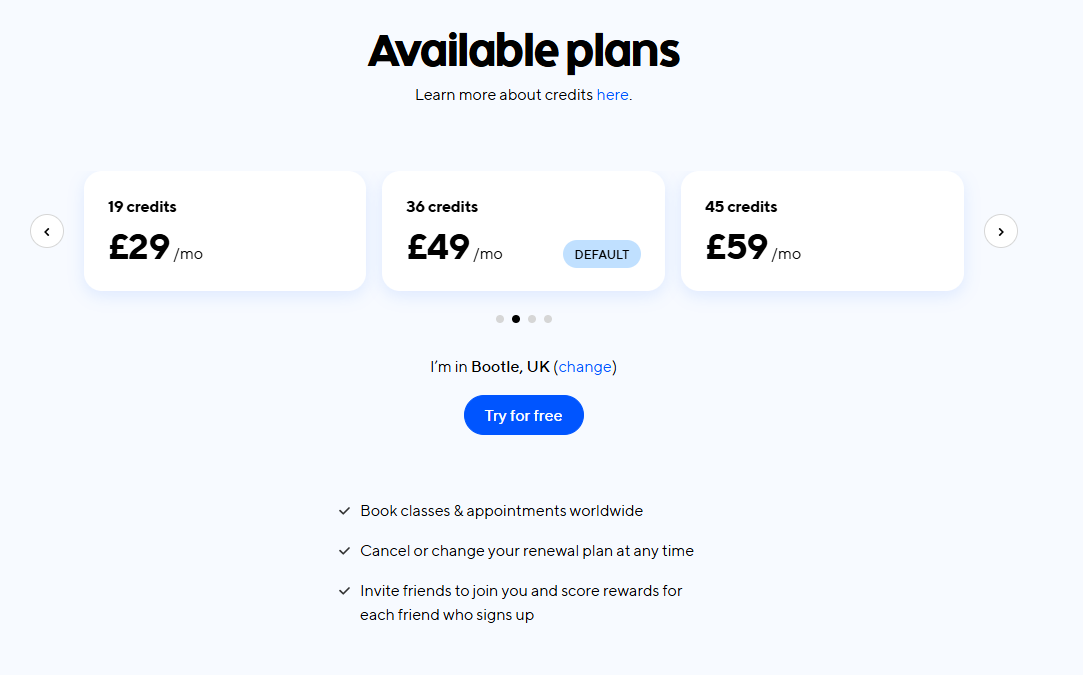
The self-proclaimed “one app for all things fitness, wellness & beauty”, ClassPass gives users exclusive access to over 30,000 fitness studios around the world. Members receive a certain amount of credits each month depending on their membership plan.
They can then use these credits to book classes at participating gyms and studios without being locked into just one establishment.
Start Selling Subscriptions with Subbly
Selling subscriptions requires the right strategy, from choosing your model to marketing and retention. A subscription-first ecommerce platform makes this process seamless.
Subbly is designed specifically for subscription businesses, providing all the tools you need in one place—customizable billing, marketing automation, and upsell features. With everything built for recurring revenue, you won’t waste time on workarounds or third-party apps.
Now is the time to start. Try Subbly for free and launch your online subscription business in minutes.


