

What is a Flower Business?
A flower business refers to a retail or service-based floristry business. To be clear, we’re not talking about growing flowers from seed, nor do we mean selling flowers wholesale to other retailers.
Instead, you buy flowers from growers or wholesalers, then cut, arrange, curate, and sell them directly to customers.
Most flower businesses focus on:
- Designing bouquets and floral arrangements
- Creating floral displays for events and spaces
- Curating seasonal flowers, plants, and complementary gifts
Many also sell potted plants (such as orchids or succulents) and add-on products, including vases, candles, cards, and gift boxes. The value comes from design, convenience, and presentation, not agriculture or bulk supply.
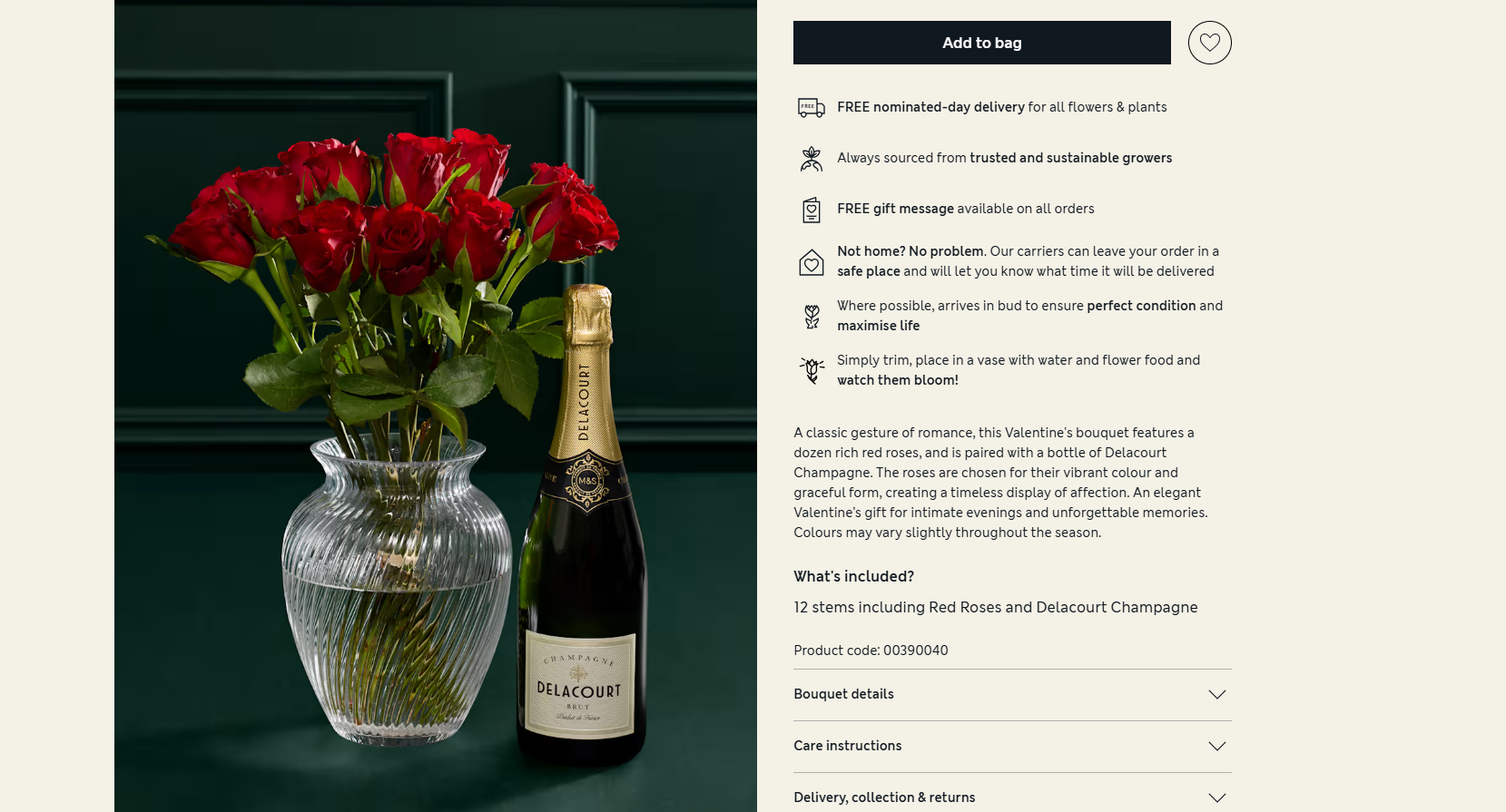
A good example is Subbly customer M&S Flowers. It offers a range of flowers along with complementary gifts, such as the red roses and champagne combo shown above.
But you don’t have to be a nationwide retail behemoth like M&S to sell flowers.
Being a successful florist is as much about creativity and customer focus as it is about anything else. You’re selling taste, reliability, and service, whether that’s a last-minute bouquet or a full wedding installation.
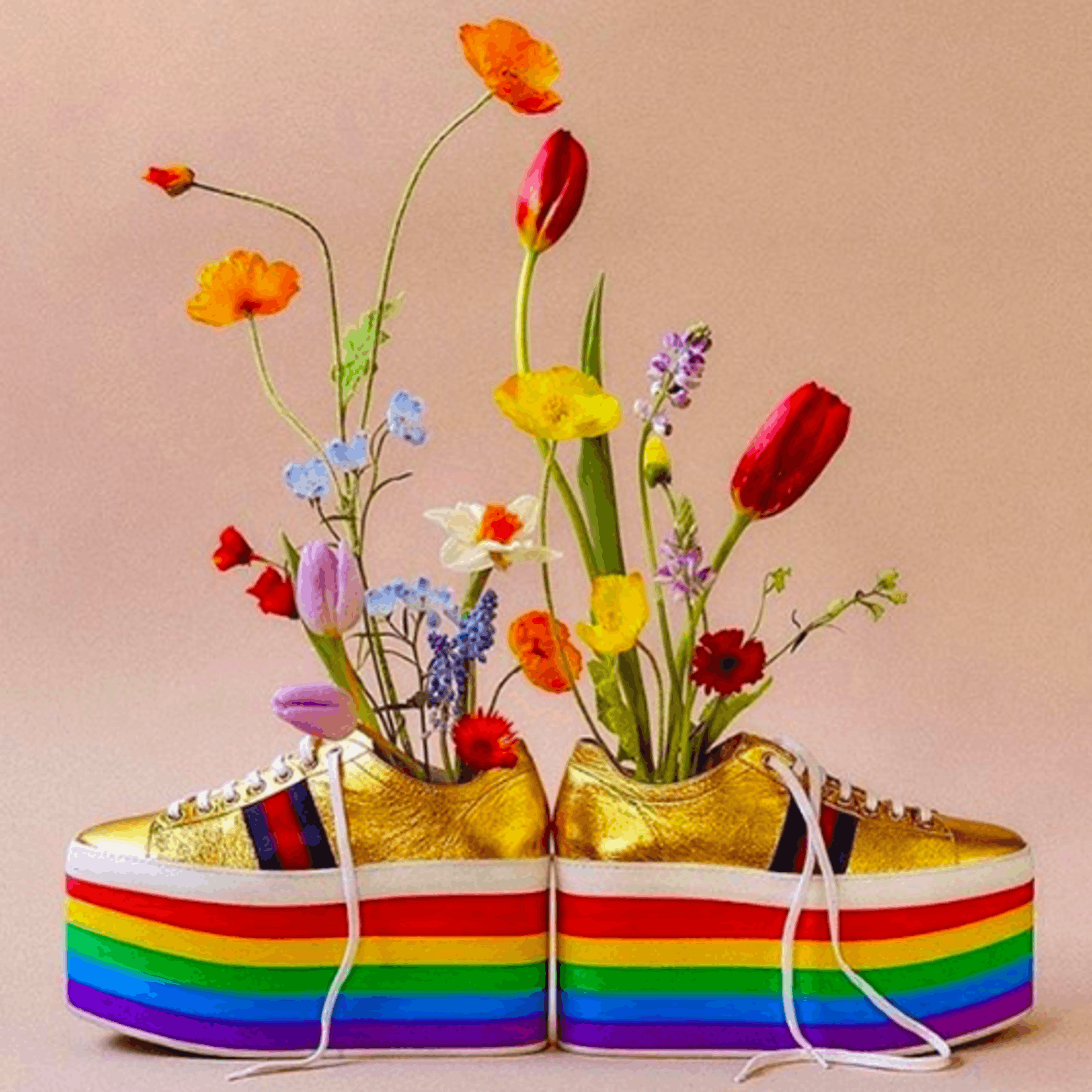
For example, Putnam & Putnam is a small, independent florist based in New York City. It is known for its romantic, artful arrangements, such as the one shown below.
Why Start a Flower Business?
If you love flowers and have an entrepreneurial flair, then starting a floral business makes sense.
It’s a creative business with steady, year-round demand and multiple revenue streams.
The global cut flowers market was valued at around $39 billion in 2024 and is projected to exceed $50 billion by 2030, driven by gifting, events, and lifestyle spending.
Beyond the market size, floristry offers something many businesses don’t: flexibility. You can start small, test demand locally or online, and grow into events, subscriptions, or corporate work over time.
With repeat purchases built into the category and growing demand for online ordering and delivery, a flower business offers room to combine creativity with a commercially proven model.
The pros of starting a flower business
Starting a floral business offers clear advantages; let’s take a look at them in greater detail.
Resilient, repeat demand
Flowers are associated with occasions such as birthdays, anniversaries, weddings, corporate events, and funerals. At the same time, many purchases are impulsive or seasonal, creating a steady baseline of sales.
Flexible ways to start and grow
You can begin with a home-based floral business, either with a small studio space or an online flower shop business.
From there, you can expand into events, subscriptions, pop-ups, or corporate contracts as demand grows. This makes floristry accessible without committing to a large retail space from day one.
Strong margins on finished products
Florists often achieve gross margins of up to 50% on floral arrangements, depending on pricing, sourcing, and waste control. The value lies in design, curation, and service, not just the flowers themselves.
Recurring revenue opportunities
Subscriptions, standing corporate orders, and regular event clients can smooth cash flow and reduce reliance on one-off sales.
Cons of starting a flower business
Perishable stock
Flowers have a short shelf life. Poor forecasting or sudden drops in demand can lead to waste and lost margin.
Seasonal pressure points
Holidays like Valentine’s Day and Mother’s Day drive high revenue but also intense operational stress, with tight deadlines and delivery expectations.
Operational complexity
You’ll need effective systems to manage sourcing, storage, fulfillment, and delivery, especially as order volume increases.
How to Start a Flower Business in 9 Steps
Now you know the scale of the opportunity and the pros and cons of starting a flower business.
Ready to get started? This section explains, step by step, how to launch your business.
And it all starts with ensuring you have what you need to create unique arrangements.
1. Get the tools and setup for arranging flowers
Floristry is hands-on, physical work. You’ll spend a lot of time cutting and conditioning flowers, cleaning buckets, stripping foliage, managing water, and working against the clock to keep stock fresh.
Waste management is part of the job, as is cleaning your workspace at the end of every day.
At a minimum, you’ll need:
- Reliable floral shears and wire cutters
- Buckets, clean water, and flower food
- A dedicated work surface with good lighting
- Space to store flowers at the right temperature
- Basic packaging for transport and delivery
You’ll also need a practical setup for storing flowers once they arrive. This means enough buckets to avoid overcrowding, constant access to clean water, and a space that stays cool and out of direct sunlight.
Temperature stability is critical. Most flowers deteriorate quickly in warm or fluctuating temperatures.
Plan your workspace to provide shade, airflow, and a distance from heat sources, as this helps preserve freshness. You may even want to invest in a floral fridge.
The best place to buy equipment for your floristry studio is a company like Miami-based LO Florist Supplies. It sells a whole range of products from ribbons and decorative wire to more practical items like flower buckets and growing solutions.
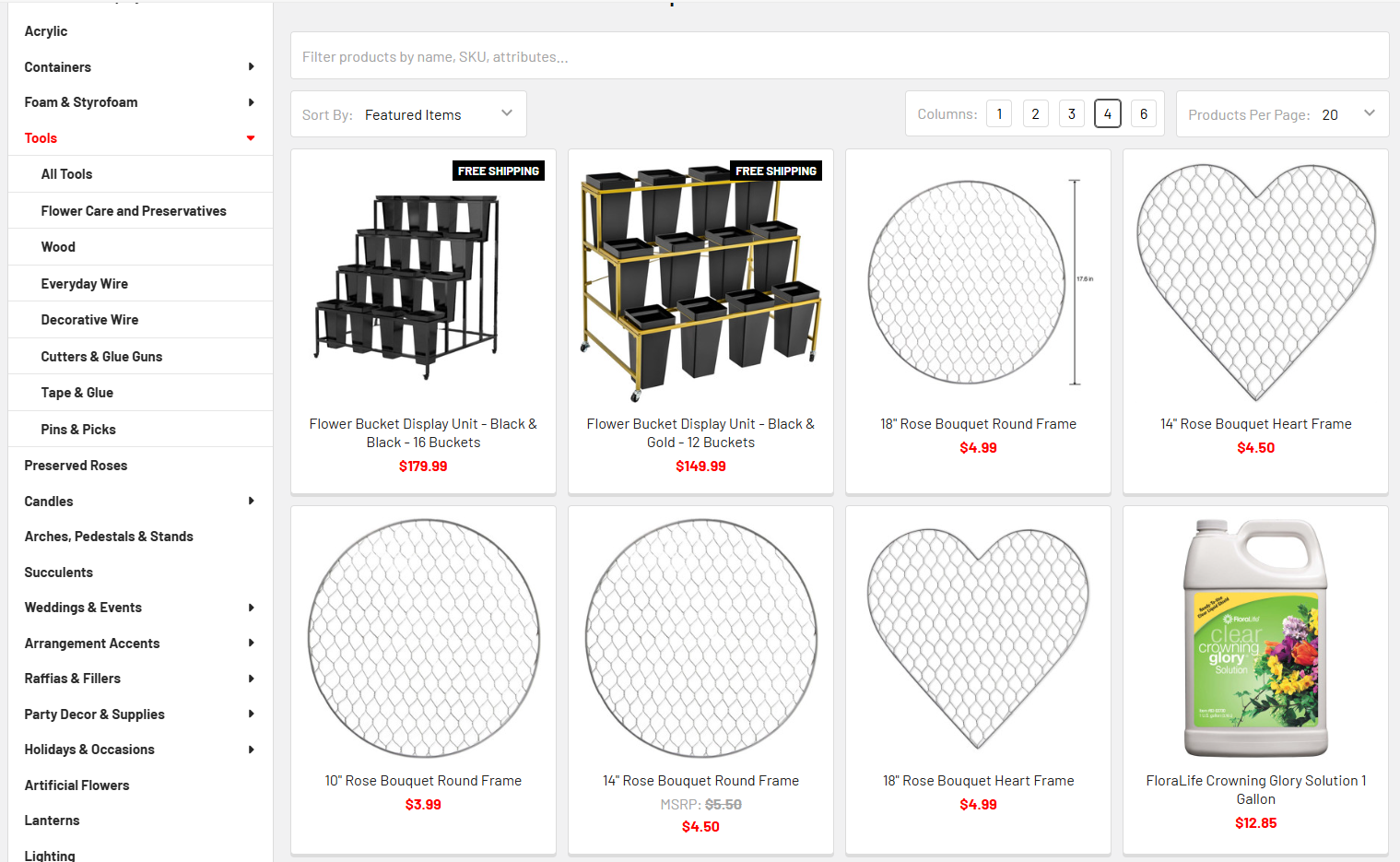
Even at this stage, it helps to note these setup requirements in your business plan so equipment and storage costs aren’t overlooked later.
2. Choose the right flower business model
Once you understand the practical realities of working with flowers, the next step is deciding how you’ll sell them.
This choice shapes almost every other decision you make, from pricing and sourcing to your website and delivery setup.
Most flower shop businesses fall into a few broad models:
Event-focused floristry
This model is centered on weddings, funerals, corporate events, and installations. It is usually studio-based, with income coming from projects rather than walk-in sales.
A good example of this is Washington D.C. based Flor De Casa Designs.

Brick-and-mortar floral shop
This is when you run your business from a physical retail flower shop selling ready-made and custom arrangements. This approach provides you with a strong local presence, but also higher overheads.
Online flower shop business
This is when orders are placed through a website for delivery or pickup. This business model requires reliable delivery and clear order management. You’ll also need to build your online reputation through customer reviews and a strong social media presence.
Subscription-based floristry
Customers pay a regular fee to receive weekly or monthly flower deliveries. This model is often layered on top of online flower delivery services or a studio model and helps create predictable revenue.
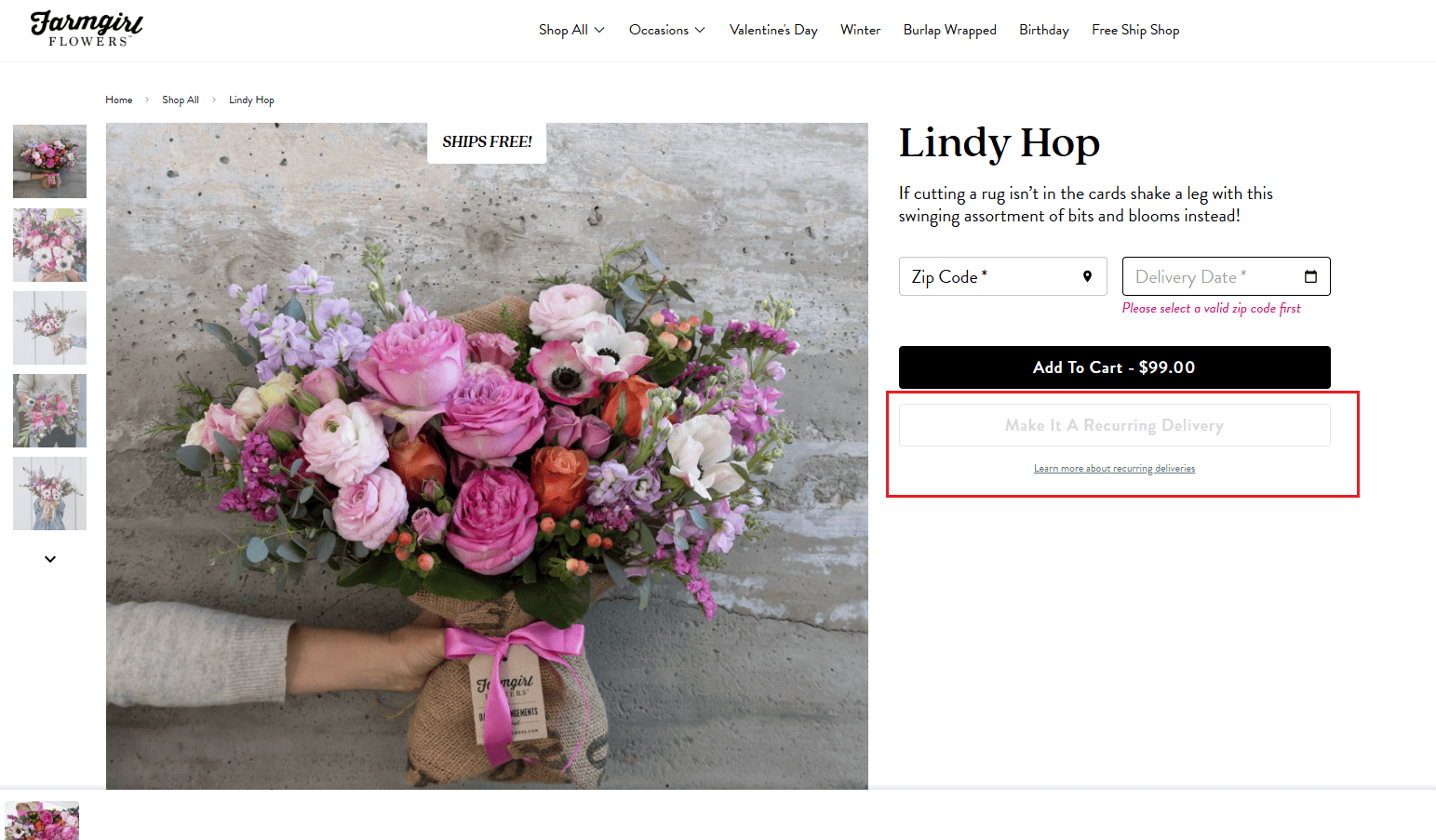
A good example of this is Farmgirl Flowers. Known for its eco-conscious design, the company allows customers to order flowers weekly, biweekly, or monthly, ensuring they always have fresh flowers to brighten their home or business.
Hybrid models
Most modern florists mix these approaches. They often have a physical store, sell online, and provide flowers for events and special occasions. Adding a subscription helps to ensure regular sales.
At this stage, the goal is to pick a starting point that fits your skills, budget, and lifestyle. For many new florists, an online-first or studio-based model keeps overheads low while demand is tested. They then expand later.
3. Validate demand and pricing in your area
Before you invest heavily in stock, equipment, or a website, you need to confirm that people in your area will actually buy what you plan to sell, at prices that make sense.
Start by looking at local competitors. Search for florists offering delivery in your area and note:
- Bouquet styles and price ranges
- Delivery fees and cut-off times
- How far in advance do customers need to order
- Whether subscriptions or regular contracts are offered
Go online and check out Google customer reviews. They often highlight gaps you can learn from, such as slow delivery, limited availability, or poor communication during busy periods.
You should also sense-check demand beyond major holidays. Valentine’s Day and Mother’s Day create obvious spikes, but a sustainable flower business relies on everyday orders: birthdays, sympathy flowers, thank-you gifts, and weekly home or office arrangements.
A good way to test demand is through one-off sales events, such as pop-ups and local markets. This can help you gauge interest and refine pricing without taking on too much risk.
You’ll also get to talk directly with customers and understand what they want from a florist.
For a new flower business owner, this step reduces the risk of over-investing before demand and pricing are proven.
4. Plan your products and pricing
With demand validated, you can now define what you’ll sell and how you’ll price it. Aim to start with a tight product range. Many new florists do well with 6 to 10 core options, such as:
- A seasonal hand-tied bouquet
- A “designer’s choice” option
- A sympathy arrangement
- A potted plant or plant gift
- One or two premium flower arrangements
Standardizing products makes pricing clearer, reduces decision fatigue for customers, and keeps production manageable during busy periods.
Set your pricing structure
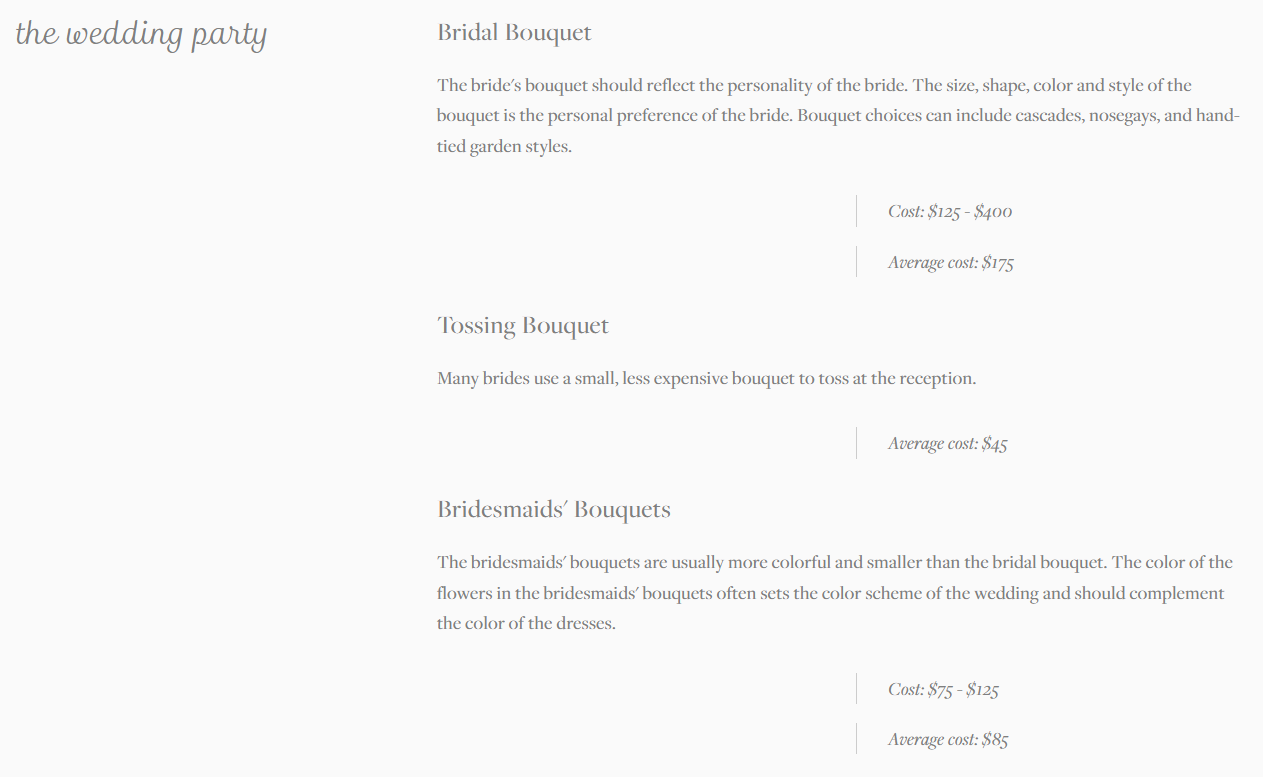
Next, set a clear pricing structure. Tiered pricing (for example: small, medium, large) works well and makes upselling easier.
Below is an example from Carolina Floral Creations, which provides clear cost ranges for all of its event packages.
Your prices need to cover:
- Flower and supply costs
- Labour and preparation time
- Delivery and packaging
- A buffer for waste
Avoid underpricing early on. Profitable floristry depends on pricing each arrangement based on its true costs and a fixed number of stems, rather than competing by being the cheapest option.
These decisions form the backbone of your flower business plan, helping you understand costs, margins, and what needs to sell for the business to be sustainable.
5. Source flowers from reliable suppliers
Most professional floral designers buy from a mix of wholesalers, flower markets, and local growers. When comparing suppliers, focus on:
- Quality and freshness
- Minimum order requirements
- Delivery days and lead times
- How substitutions are handled
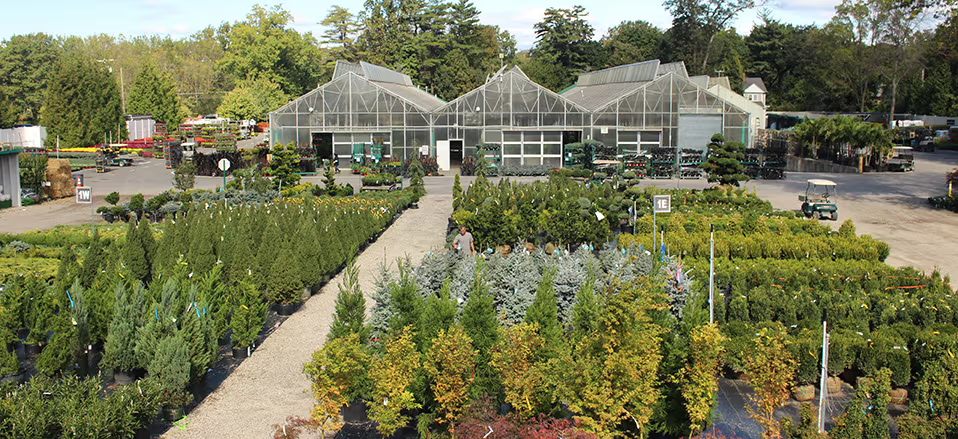
For example, you may decide to partner with a company like Long Island-based Hicks Commercial Sales. They sell a wide range of flowers, plants, and associated equipment and supplies to florists and garden centers.
Early on, it’s better to work with fewer suppliers you trust than to spread orders across many. This makes forecasting easier and reduces last-minute surprises.
Seasonality is another key consideration. Some flowers will not be available year-round, or their prices may fluctuate sharply. Build flexibility into your product descriptions and make it clear to customers that exact stems may vary.
Reliable sourcing protects quality, reduces waste, and makes your day-to-day workflow more predictable. Without it, even strong demand can quickly turn into missed deadlines and unhappy customers.
These sourcing practices are standard across the floral industry and help maintain quality, consistency, and predictable margins.
6. Set up your website
No matter which business model you choose, you’ll need a website. But before you pick a platform or start building pages, there’s one decision you need to make first:
Will you sell flowers on subscription?
Even if subscriptions aren’t part of your launch plan, many florists add them later.
Weekly or monthly deliveries create predictable revenue, make buying stock easier to forecast, and encourage repeat customers.
If subscriptions are likely to be part of your business in the future, that should guide your platform choice from day one.
Choosing a subscription-first platform is critical
The problem is that standard ecommerce platforms like Shopify and WooCommerce are designed for one-off product sales.
Subscriptions are usually added through third-party plugins, which can quickly become limiting.
Examples of common issues include:
- Inflexible delivery schedules
- Awkward pause or skip options
- Limited reporting
- Customers need to contact you to make simple changes
If subscriptions matter to your model, a subscription-first platform avoids these workarounds.
Platforms like Subbly are built to handle recurring orders natively, with flexible billing, delivery rules, and customer self-management built in.

Use the right site structure
Once you’ve chosen the right foundation, focus on what your website actually needs to do.
At a minimum, it should include
- Product pages with clear sizes, prices, and substitution notes
- Delivery and pickup information, including zones, fees, and cut-off times
- Subscription details (if offered): frequency, pricing, flexibility, gifting
- Event enquiries with clear lead times
- About and contact pages to build trust
- Policies covering substitutions and refunds for perishable goods
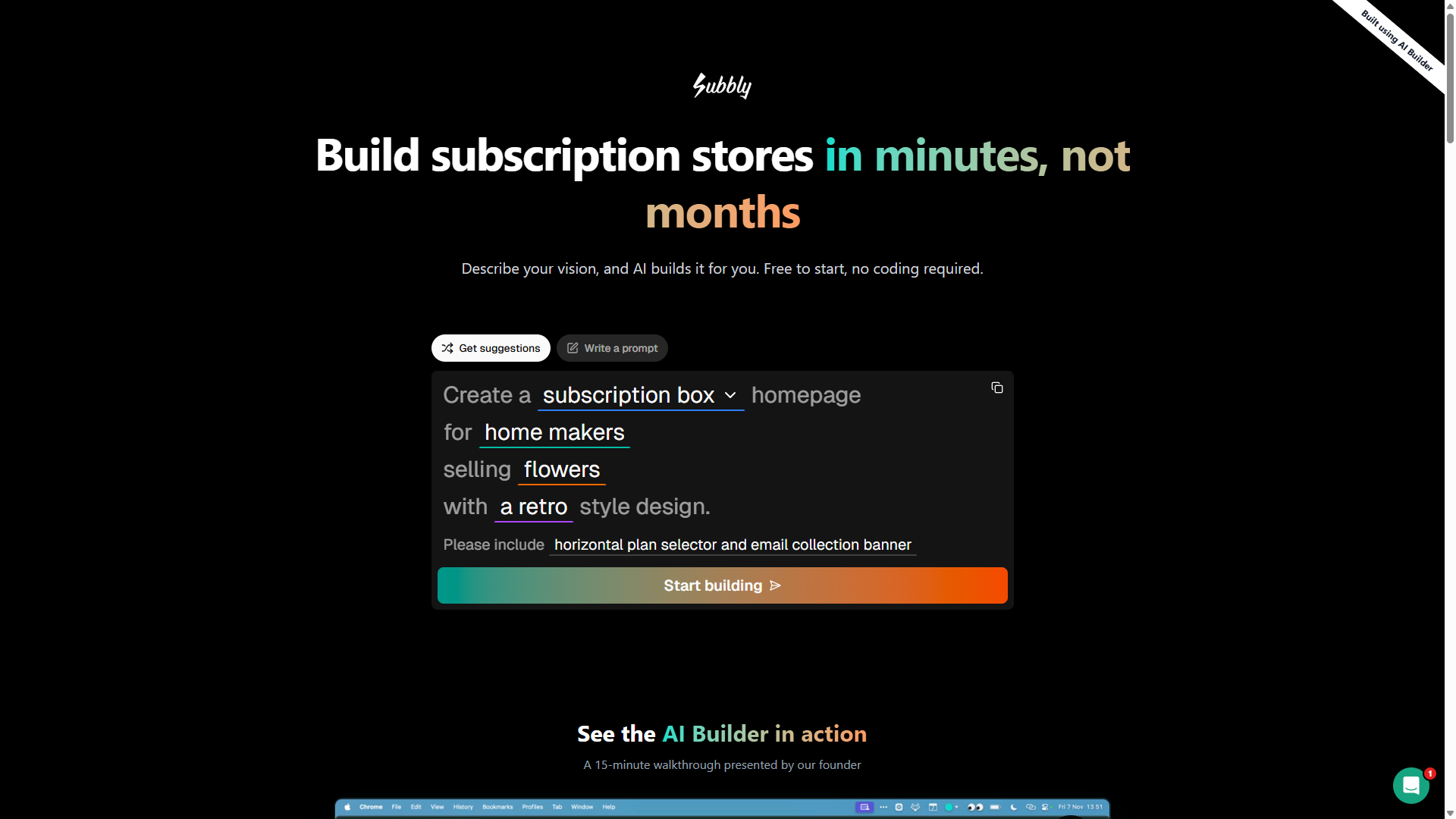
Platforms like Subbly now offer AI website builders that let you build an entire website with simple prompts. It’s much quicker than using developers and gives you more control than templates and drag-and-drop editors would.
🔍 Learn more about Subbly’s AI website builder.
Finally, set up ordering rules that match your workflow. Limit same-day delivery early on, use standardised products rather than unlimited custom requests, and build cut-off times that protect quality and workload.
7. Set up delivery and fulfilment
Next, you need to ensure you can reliably deliver flowers from your workspace to customers in good condition and on time.
Here are a few tips for doing this:
Define where you will deliver: Set clear delivery zones based on distance and travel time, and price delivery accordingly. Keeping zones tight early on helps you avoid overruns and protects margins. You can always expand later once volumes are predictable.
Set realistic delivery windows and cut-off times: Same-day delivery can be attractive to customers, but it adds pressure and limits flexibility. Many new florists start with next-day delivery only, then introduce same-day options once their workflow is proven.
Think carefully about how flowers travel: This includes:
- Secure packaging to prevent movement or damage
- Keeping stems hydrated during transport
- Temperature control, especially in warmer months
- Simple repair kits for last-minute fixes on arrival
Set clear processes for busy periods: Peak days like Valentine’s Day and Mother’s Day should have order caps, extended lead times, or limited product ranges to avoid overcommitting.
Good fulfillment is not about speed alone. It’s about consistency. Clear rules and repeatable processes help you deliver a better experience without burning out or sacrificing quality.
8. Market your floral business
Once delivery and fulfillment are working smoothly, you can focus on bringing in consistent orders. That means it’s time to start marketing your florist business.
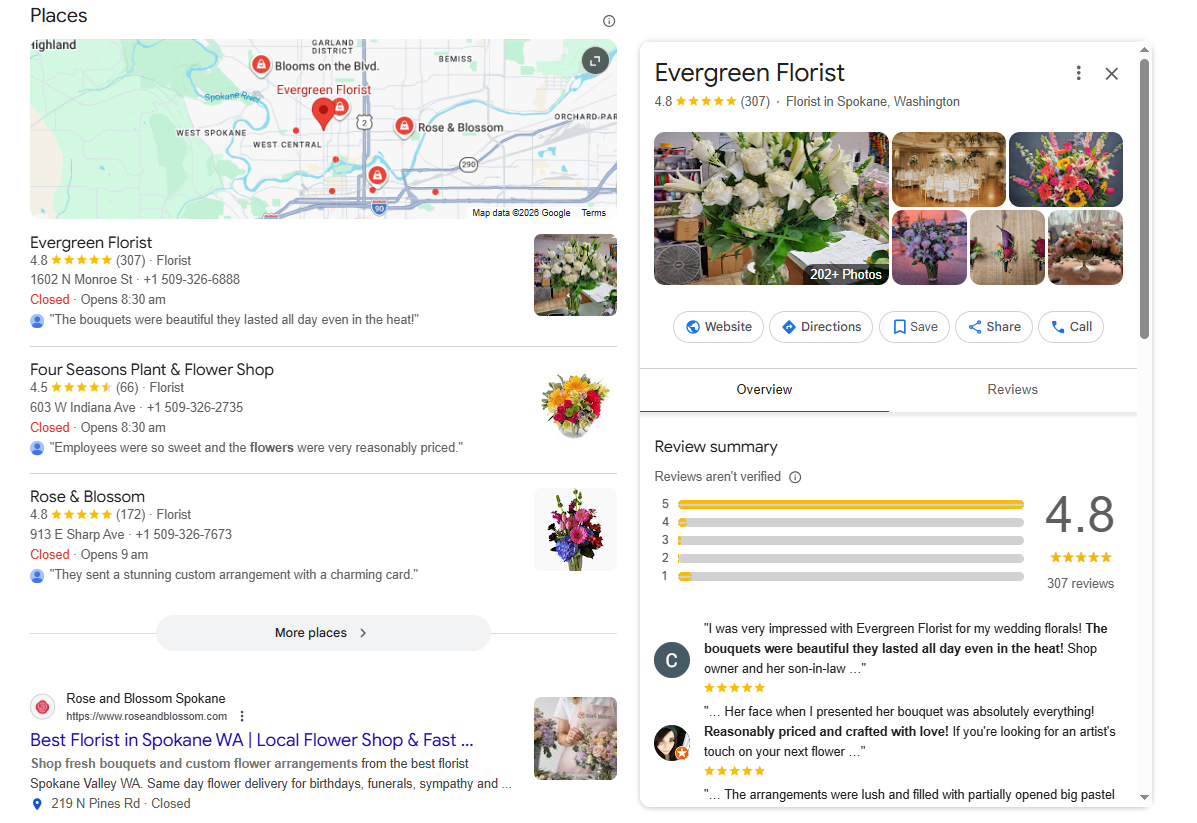
Set up your Google Business Profile
Make sure you have a complete Google Business Profile. This ensures your business shows up on Google Maps and in local searches like “flower shop near me” or “flower delivery in [your city]”.
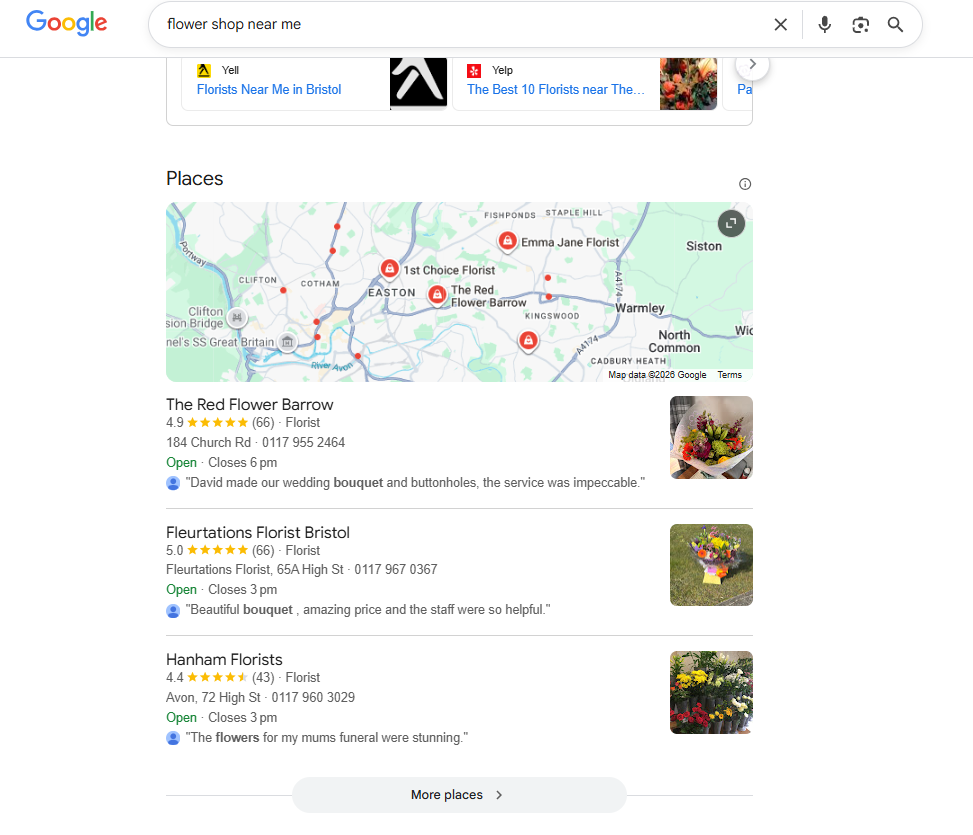
Your business profile should be as complete as possible, including clear photos, up-to-date opening hours, and recent reviews. This will ensure you appear in more searches and will make a big difference to trust and click-throughs.
Below is a good example of a Google Business Profile from Evergreen Florist in Spokane, Washington. The company has many positive reviews, beautiful images of its flowers, and quick links to find and contact the business.
Build partnerships
Next, build partnerships through local connections. This could be with:
- Wedding venues, local event planners, and photographers
- Cafés, restaurants, and hotels
- Offices, salons, and independent retailers
These relationships can lead to repeat work and referrals without ongoing ad spend.
For example, event planner Wedgewood Weddings and Events has a page dedicated to recommending trusted vendors.

This works well for all three parties:
- Customers benefit from not having to find their own supplier.
- Wedgewood enjoys higher satisfaction from connecting its customers with a trusted florist.
- The florist gets a steady stream of business from Wedgewood.
Create social media content
Focus your social media content on real work. Behind-the-scenes preparation, seasonal arrivals, finished arrangements, and delivery days help customers understand your style and reliability.
Below is a good example from wedding florist Tulipina. The video shows founder Kiana Underwood preparing a display for an audience at a recent book signing in Seoul.
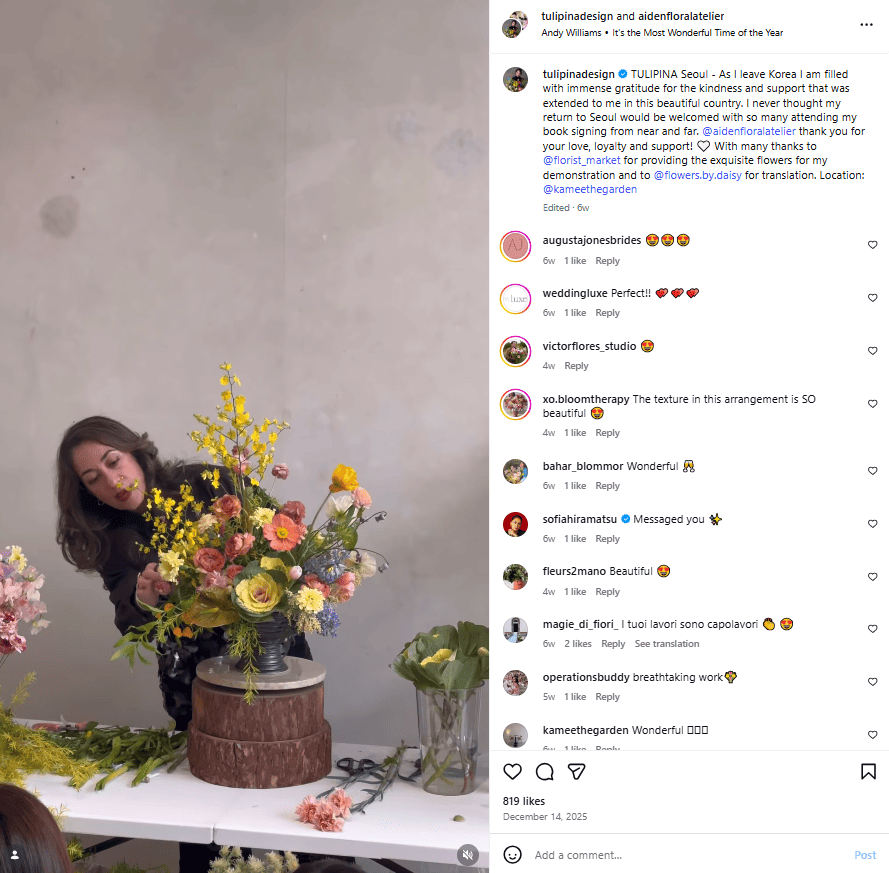
Flower enthusiasts will enjoy seeing her creativity. However, it’s also a good chance for Kiana to show off her professionalism to potential customers.
9. Track performance and refine as you grow
Once your flower business is live, the final step is to ensure it remains profitable and manageable as demand increases.
This means tracking a small number of metrics and adjusting your approach over time.
Focus first on waste and margins. Flowers are perishable, so keep an eye on how much stock is being thrown away and which products sell consistently. If certain arrangements underperform or generate excess waste, simplify or remove them.
Next, monitor order patterns. Look at:
- Average order value
- Repeat purchase rate
- Delivery demand by day and location
- Seasonal spikes and quiet periods
This data helps you forecast more accurately, plan buying, and decide when to introduce new products or services.
If you offer subscriptions, review how often customers pause, skip, or cancel. These signals can highlight pricing issues, delivery friction, or the need to adjust frequency options.
Subbly customers can easily track these metrics using their dashboard, as shown in the image below.

Finally, refine your systems before scaling. It’s easier to tighten delivery zones, adjust cut-off times, or update website rules early than after volumes double.
A successful flower business is rarely built in one go. It improves through small, practical changes based on real orders, customers, and constraints. Tracking what matters gives you the confidence to grow without losing control.
Plan For Growth From Day One
Starting a flower business is not just about launching. Early decisions around pricing, ordering, and repeat customers affect how easy it is to grow later.
As order volumes increase, manual admin and workarounds quickly become a bottleneck, especially if you plan to offer subscriptions or regular deliveries. Many florists hit this point sooner than expected.
If recurring revenue is part of your long-term plan, it makes sense to build on a platform designed for it.
Subbly is built for subscription-led businesses, making it easier to manage repeat orders, delivery schedules, and customer changes without relying on plugins.
You can try Subbly with a free trial to see if a subscription-first platform fits your growth goals.


