

Set Your Marketing Strategy

Before launching your first campaign, it’s essential to have a clear marketing strategy in place. This ensures every channel works together and that your efforts contribute directly to your business goals.
Ideally, you’ll have addressed this when writing your business plan. If not, now is the time to do it.
Focus on four key areas:
- Define your target audience.
- Clarify your value proposition.
- Plan your positioning and messaging.
- Set clear goals.
Let’s take a look at each of these.
Define your target audience
Start by identifying your primary customer segments. These are the groups most likely to buy your subscription box.
For example, a sneaker subscription box business might target fashion-conscious shoppers, athletes seeking performance footwear, and parents buying for their kids.
Each group has distinct needs, so your campaigns, visuals, and landing pages should speak directly to them.
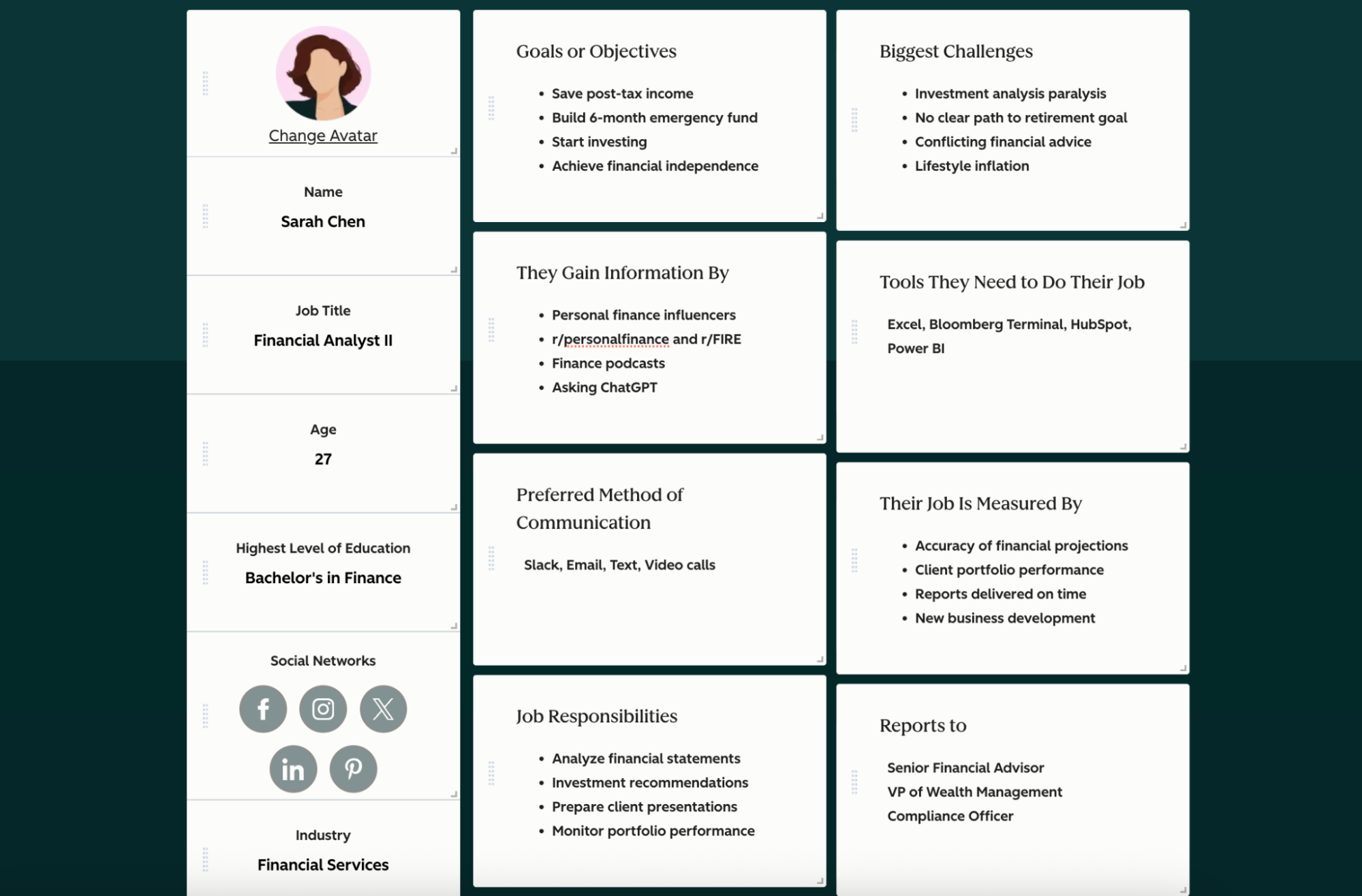
Next, create a simple buyer persona for each segment. Give them a name, age range, and goals. List their typical customer preferences and note what motivates their purchasing decisions.
Use these personas to guide your marketing decisions, including the tone of voice to use, the benefits to emphasize, and which offers will be most effective in converting them.
Identifying customer segments and using buyer personas not only leads to more sales, but also optimizes your spend. By knowing who you want to target and what will work, you ensure you don’t waste money on ineffective campaigns.
If you need help with this part of your strategy, Hubspot provides a free buyer persona generator. It allows you to create detailed personas, such as the one shown below.
Clarify your value proposition
Your value proposition is the promise you make to customers about what your monthly subscription box delivers and why it’s worth paying for. It answers the question: Why should someone choose your box over another?
To define it, focus on the main benefit you offer and make sure it’s something your audience genuinely cares about.
For example:
- A snack box might highlight variety and discovery: “Try snacks from around the world without leaving home.”
- A fitness gear box could focus on convenience: “High-performance gear delivered to your door, when you need it.”
Keep it simple, memorable, and customer-focused.
Plan your positioning and messaging
Positioning is how you want your box to be seen in the market. Messaging is how you communicate that position to your audience. Together, they shape how customers perceive your brand.
Ask yourself: Are you aiming to be premium, affordable, eco-friendly, fun, or expert-led? Once you’ve defined this, make sure your copy, visuals, and tone of voice all reflect it.
For example, if your positioning is eco-conscious and sustainable, then your messaging should consistently reference recycled packaging, ethical sourcing, and your environmental impact.
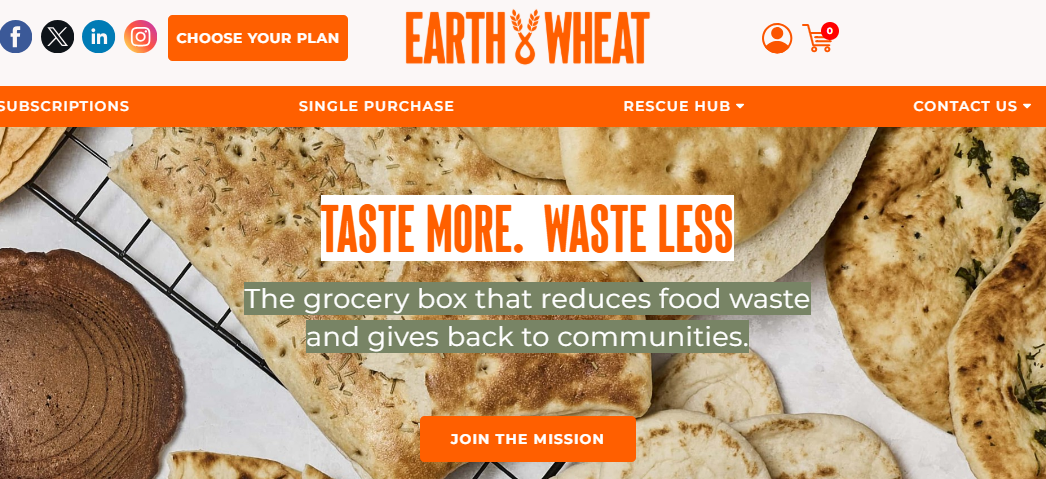
Subbly customer Earth and Wheat is an excellent example of this. From the moment you land on their website, it’s clear that they are focused on supporting communities and improving sustainability by reducing food waste.
Set clear goals
You can’t measure the success of your marketing campaigns if you don’t have clear goals.
Decide what you want to achieve before you spend a dollar on ads or create a single post.
Goals could include:
- Gaining your first 100 subscribers in three months.
- Reaching a 5% conversion rate on your landing page.
- Building an email list of 1,000 prospects.
Make goals specific, measurable, and time-bound. This way, you’ll know what’s working and can adjust your strategy if you’re falling short.
Marketing 101: Understanding Funnels
In the next section, we’ll list 12 marketing techniques that others in the subscription box industry have had success with.
However, before you start using them, it’s important to understand marketing funnels. Feel free to skip this section if you already know what these are.
Marketing funnels are a framework for ensuring you use the right channels and techniques to target customers at different stages of the customer journey.
A customer journey is the process the customer goes through, taking them from being completely unaware of your brand to buying your subscription service (and beyond).
Each of your campaigns should aim to move the customer one stage down the funnel.Here’s an overview of a typical marketing funnel for the subscription box model:
Awareness
As mentioned above, customers are initially unaware of your brand. This stage is all about getting on their radar and showcasing your expertise, as well as the value your products provide.
Typical channels used at this point include:
- SEO.
- Blogs.
- Social media.
- Influencer marketing.
- PR.
Interest
Now that customers know your brand, it’s time to introduce them to your products. This stage encourages customers to learn more about your subscription box.
Channels often used include:
- Blog posts.
- Lead magnets.
- Short-form videos.
- Social engagement.
Consideration
Now that customers know your brand and products, it’s time to build trust and convince them your box is worth trying.
Typical consideration stage marketing tactics include:
- Customer reviews and testimonials.
- Social proof (unboxings, reviews, UGC, influencer content).
- Email nurture sequences.
Conversion
This is a crucial stage. You’re going to turn an interested prospect into a paying subscriber.
Strategies at this stage often involve streamlining the purchase process, providing more value, and reducing risk.
Examples include:
- Discounts and free trials.
- Limited-time offers.
- Upselling and add-ons.
- Streamlined checkout process.
- Retargeting ads.
Retention
Retention is also a critical stage for subscription businesses. You have the opportunity to retain customers for another period and prevent churn. Providing them with additional value enables you to do this.
Typical retention tactics include:
- Renewal offers.
- Personalization.
- Customer loyalty programs.
- Community building (groups, forums, events).
Advocacy
This is the ultimate goal of your marketing efforts. Turn happy subscribers into promoters. In other words, they do your marketing for you!
Typical tactics:
- Referral programs.
- User-generated content.
- Social sharing incentives.
12 Ways to Market a Subscription Box
Let’s take a deeper look at some of the marketing tactics mentioned above so you can use them in your campaigns.
We’ve put them in order of the customer journey, so you know where to start.
1. Content marketing
Create blogs, videos, and guides that your ideal customers find helpful. This is an opportunity to show off your knowledge and expertise, while also providing something of value for free.
Rhythm Nutrition, a supplements subscription ecommerce business and Subbly customer, writes regular articles on healthy eating.
These answer questions that their target audience is likely asking. This showcases the company’s in-depth knowledge of nutrition, while also allowing it to highlight related products.
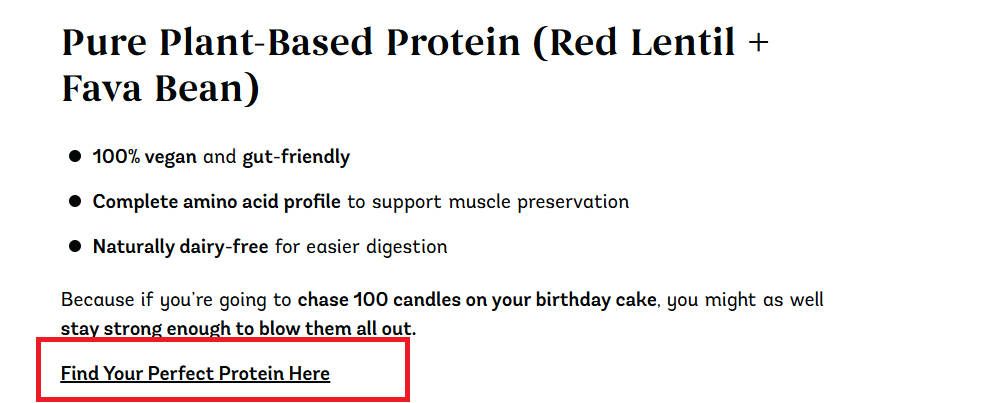
For example, this article on the link between protein and longevity includes a link to the company’s protein supplements.
Launching a content marketing strategy is simple in theory.
It involves:
- Brainstorming ideas for content that will interest your customers.
- Identifying the relevant channels for delivering content.
- Creating the content.
- Sharing the content.
However, it’s challenging in execution. For example, a typical content operation might need:
- A team for creating the content. This might include content managers, writers, editors, videographers and more.
- A process for creating content covering idea generation, briefing, writing, reviewing and publishing.
- Tools for creating the content. This might include video editing software, AI writing support tools, and filming equipment.
Ensure your content operation is properly set up before attempting to scale it. Otherwise, you may end up publishing poor-quality content that could damage your brand.
2. Search Engine Optimization (SEO)
SEO involves ensuring your website appears when users make relevant searches on Google.
This matters because top results receive the most clicks, and therefore, often generate the most sales. SEO is also one of the highest-ROI channels, with some estimates putting returns at 22:1.
We can’t cover everything about SEO here. For a deeper dive, see Ahrefs’ Ecommerce SEO: A Beginner’s Guide.
For now, let’s look at keyword optimization. It’s relatively easy to understand and small keyword improvements can have a big impact on your rankings.
What are keywords and why do they matter?
Keywords are the terms that your customers type into search engines that are relevant to your business.
Using them in your content and headings helps your site rank higher and ensures the right people find you.
Your keyword strategy should guide which content you create.
A typical approach involves:
Brainstorming keywords
List broad “seed keywords” and more specific “long-tail keywords.” Seed keywords attract lots of traffic but are harder to rank for. Long-tail keywords have lower traffic but are less competitive.
Utilize seeds across your site and target long-tail keywords with individual blog posts.
Example:
Seed keyword: “best sneakers”.
Long-tail keywords:
- Best running shoes.
- Best sneakers for the gym.
- Best running shoes for women.
Prioritize keywords
Next, select keywords to incorporate into your content using a simple, free SEO tool like Ubersuggest or a more powerful paid option like Ahrefs.
For each keyword, identify two datapoints:
- Difficulty: How hard it is to rank.
- Volume: How many people search for the keyword on a monthly basis.
Type your keyword into the platform’s keyword tool and choose your target language and region.
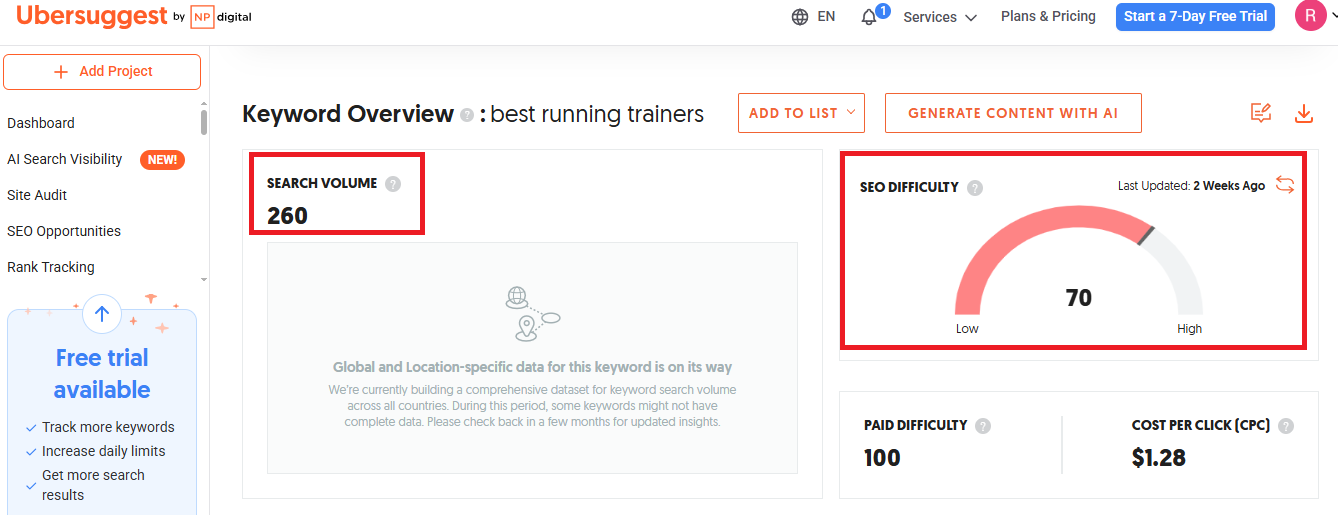
Add each keyword, along with its search volume and difficulty, to a spreadsheet.
You also need to consider relevance to your business. For instance, if you sell running shoes, then “best running shoes” is more suitable than “best running socks”, even though you may sell both.
Order your keywords by each field and identify which ones present the best opportunities and add them to a shortlist.
Apply keywords to your content
Finally, search each keyword in Google. The top results show you the content format that users and Google expect. For example, if the results are listicles, your content should be too.
Add your target keywords to existing relevant content. If nothing relevant exists, then create new content targeting that term.
3. Social media
Social media networks are the best way to engage your target market directly.
Here are the essentials to set you on your way:
Choose the right platforms
Avoid trying to cover all social media platforms. Instead, focus on the ones that your target audience is most likely to use and the media that resonates with them.
For example, Facebook tends to have an older user base, while younger users prefer TikTok. LinkedIn is often more suitable for B2B businesses, while Instagram is good for lifestyle brands.
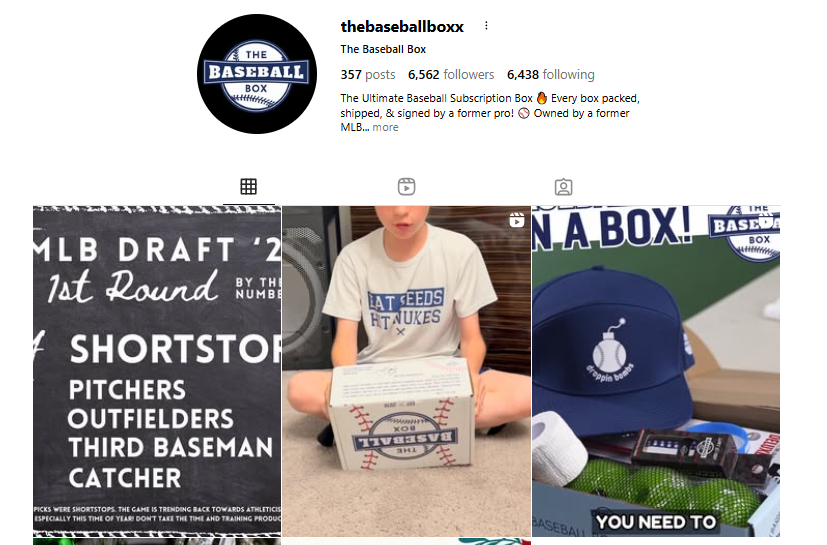
The Baseball Box, a Subbly customer and baseball subscription box provider, focuses on YouTube, Instagram and Facebook.
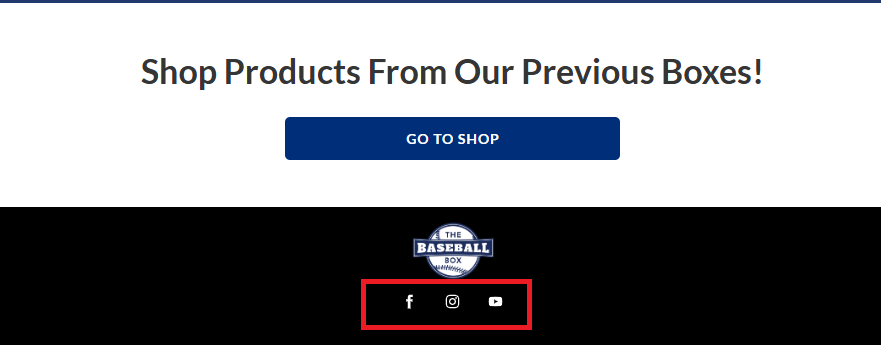
This is a good strategy. YouTube and Instagram are both visual platforms that can be used for unboxing videos and showcasing their products in action, while Facebook is popular among parents of young baseball players.
Reach out to social media influencers
Social media influencers have lots of followers who trust their content. Getting mentioned by them can boost awareness of your subscription box and reach your target audience more efficiently.
Find out who the big players are in your niche and send them a collaboration proposal.
Here are some tips to ensure they choose to work with you:
- Start with a personal intro, show you know who they are, and explain why they’re a good fit.
- Explain what your subscription box is and what makes it unique.
- Be specific about what you’d like the collaboration to be.
- State what’s in it for them: Will you offer compensation, free boxes, or exposure to your audience?
- Keep it short: No more than 3–4 short paragraphs or bullets.
- Clearly ask if they’re interested and request a response to your message.
- Make it easy for them to reach you by including your contact details.
🧠 To learn more, check out our webinar on how to invest in influencers and sway subscribers like a pro with Gad Harari, Head of Sales at Sway Me Good.
Become a content curator
Social media is all about improving customer engagement by providing value to your followers.
One easy way to do this is by sharing great content that you find online.
This shows that you are active and well-connected in your industry, while also establishing you as a one-stop shop for high-quality content
4. PR and press coverage
Getting featured in the press is one of the fastest ways to build credibility and reach new audiences.
Public Relations (PR) involves sharing newsworthy stories about your subscription box with journalists, bloggers, or media outlets so they write about you.
It works because readers trust established publications more than ads. A mention in a lifestyle magazine, niche blog, or local paper acts as social proof and can generate a lot of interest in your business.
To get started, focus on what makes your subscription box newsworthy.
This could be:
- A unique theme.
- A charity tie-in.
- A personal founder story.
Create a simple press release and send it to journalists who cover small businesses, ecommerce, or your niche. When contacting journalists, take a similar approach to that described above for influencers.
An alternative approach is to sign up for services like Help A Reporter Out
(HARO) or Qwoted. These platforms allow experts to respond to relevant requests for quotes from journalists.
They are a good way to get coverage; however, in our experience, media outlets only publish around one in ten of your responses, so be prepared to put in a lot of work.
Utah-based media website KSL featured a press release from Subbly customer Finders Seekers.

As a result of this story, readers may be interested in learning more about the company and could visit its online store to find out more.
5. Paid ads
Pay-per-click (PPC) advertising on platforms like Facebook, Instagram, TikTok, and Google Ads enables you to target your audience with precision.
These platforms allow you to target by demographics, interests, and search intent, meaning your ad is only shown to people you want to sell to, and you only pay if they click through to your website.
This makes it highly effective. Google estimates that, on average, businesses make $8 in revenue for every $1 spent on ads.
Here’s a good example on Google. We searched for “best subscription boxes for kids” and an ad for a monthly activity box from KiwiCo came up.
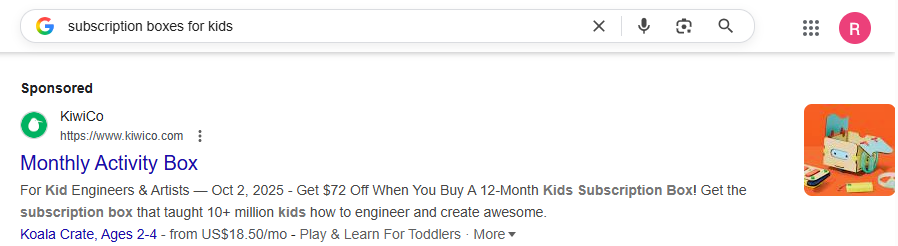
PPC ads work well for subscription boxes because they are measurable, and you can test different creatives to see what generates clicks and sign-ups quickly.
This also means you can track customer acquisition costs.
Start small with a test budget, run a few ad variations, and use the results to refine your campaigns. The goal is to find a repeatable formula where each dollar spent consistently brings in new customers at a sustainable cost.
6. Email marketing
Email marketing works because you directly engage with people who have already shown interest in your subscription box.
For example, they might have done this by signing up for a discount, downloading a freebie, or abandoning their cart.
Email can be used at various stages of the marketing funnel, from nurturing leads with helpful content, to sending customer retention offers.
These days, most email marketing platforms come with robust automation tools. This makes it particularly suited to the subscription model, as it reinforces the recurring payments business structure.
For example, you can use automated flows like welcome sequences, cart abandonment reminders, and renewal prompts, all of which help increase sign-ups and retention.
To get started, focus on growing your list through your website and social channels. Offer an incentive like 10% off or a free guide in exchange for sign-ups. Then, send consistent, well-designed emails that provide value as well as promotions.
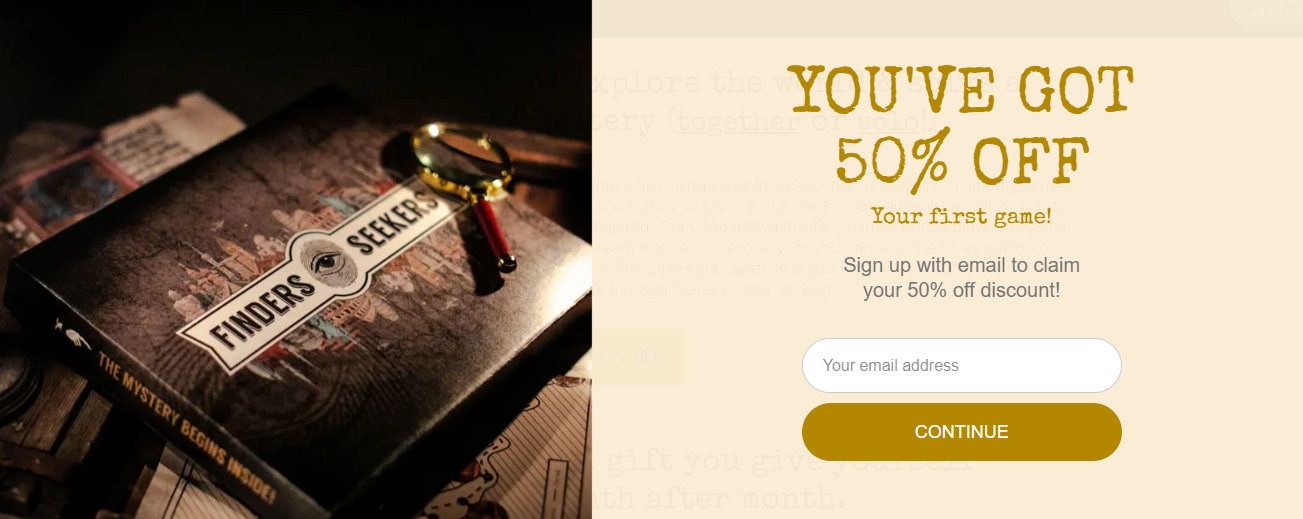
Finders Seekers is a good example of this too. Their website offers a 50% discount if people sign up to their email list.
🧠 Learn more about email marketing. Check out our webinar on how to gain hundreds of subscribers with Gary Redmond, Co-Founder of Busterbox.
7. Social proof
Social proof is when you display your reviews and other forms of customer feedback. It shows potential subscribers that others already love your box.
It works because people are more likely to trust the opinions of real customers than your own marketing claims. Reviews, testimonials, and user-generated content can all reassure someone that your subscription is worth the money.
Unboxing videos are a great example of social proof. They provide an authentic endorsement and create excitement around your product.
Here are some tips for using social proof to your advantage:
Sign up for review platforms that are relevant to your industry, as well as more general ones like Google.
Encourage subscribers to post reviews online.
Respond to all reviews. If the review is negative, then apologize and offer a solution.
Feature reviews and testimonials prominently on your website and product pages.
Reviews aren’t the only form of social proof. You can also show accreditations, awards and press coverage you have received.
Subbly customer Mama Box proudly publishes reviews on its homepage and includes a link to its Trustpilot page so other happy customers can post reviews
This shows that the company is transparent and confident that people will enjoy its subscription boxes.
8. Build a community
Community is one of the most potent tools a subscription business can use.
It’s about creating a space where subscribers feel connected to your product and to each other. This makes customers more loyal and less likely to cancel their subscription plans.
It also adds value beyond the box itself. Subscribers can swap tips, share unboxing photos, and celebrate their shared interests.
For example, a fitness gear box might build a private Facebook group where members share workout routines and progress photos.
Fitness brand Peloton has done just this. It started a Facebook group dedicated to working moms, where members can share workout tips and support each other with ways to balance parenting, work and fitness.
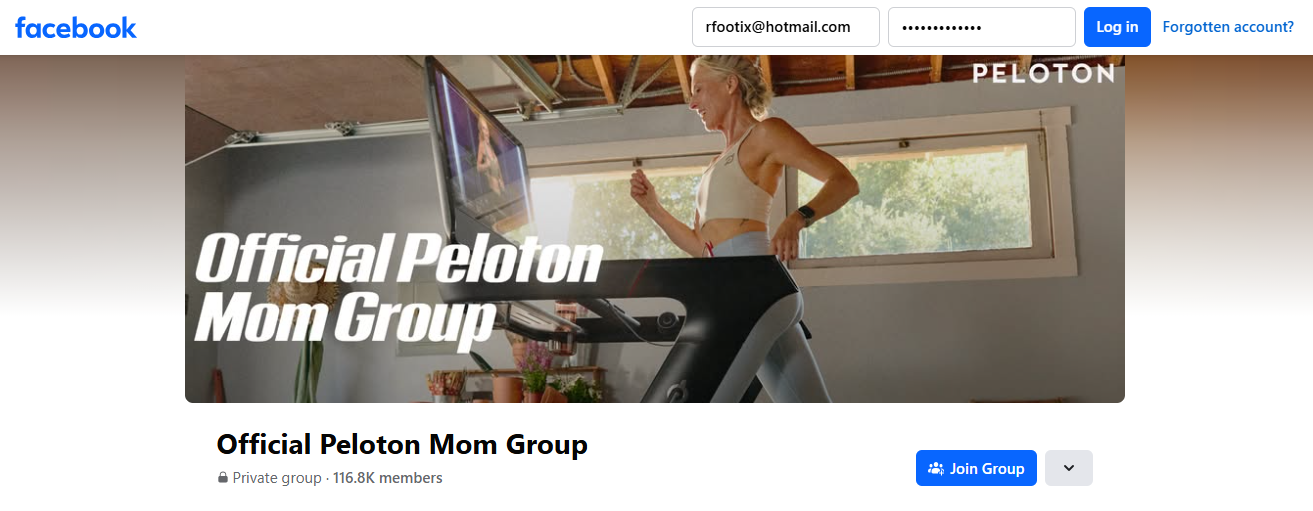
To get started, choose a platform your audience already uses. Examples include Facebook Groups, Discord, or even a private members’ area on your site. Keep the group active by posting regularly, asking questions, and highlighting member contributions.
9. Free trials and discounts
Free trials and discounts are classic ways to lower the barrier for new subscribers.
They work because they reduce risk; customers can try your box at a lower cost before committing to a full subscription. For many people, that small nudge is enough to push them from browsing to buying.
The idea is that once they have experienced the quality of your product for free or at a reduced rate, they’ll stay on as paying subscribers.
This strategy requires balance and must be valuable, yet sustainable. A common offer is 50% off your first box or providing the first box free.
Promote the offer clearly on your homepage and in ads, and follow up with strong onboarding emails to convert trial users into long-term subscribers.
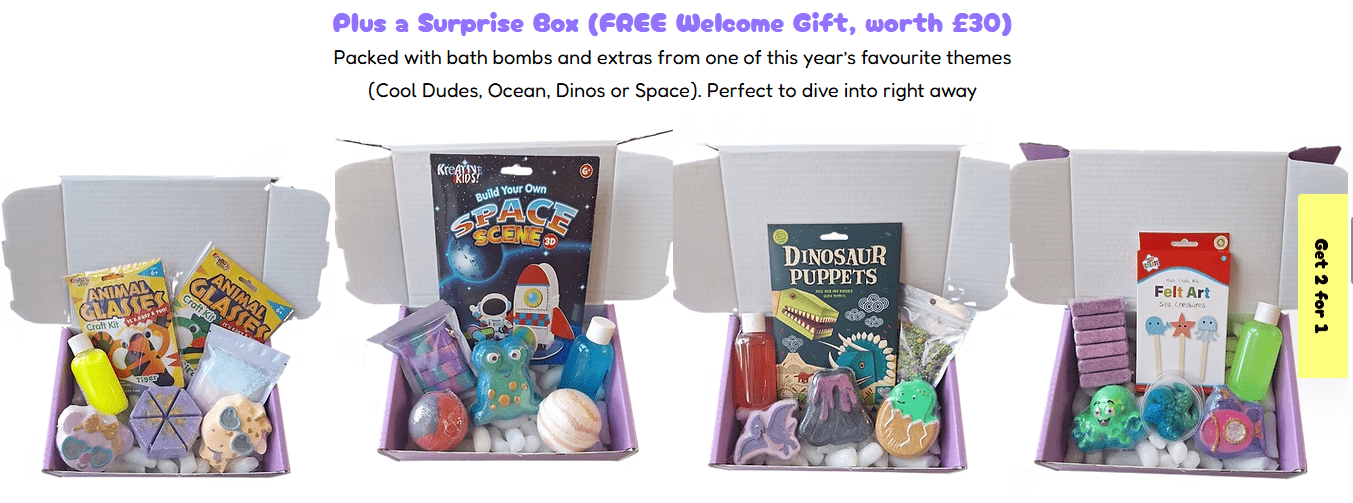
For example, Subbly customer Boddle Box provides a free extra box for every new customer. This offer is displayed on the company’s homepage, encouraging new sign-ups.
🧠 Check out our webinar on how to offer your products with trial period on Subbly.
10. Increase value with upselling
Upselling involves encouraging customers to choose a higher-value option than their original purchase.
The idea is that subscribers who are ready to buy are more open to spending a little extra to receive more.
For subscription boxes, upselling can take several forms, including:
- A premium tier with exclusive products.
- One-off items.
- Bundling complementary products.
These small increases can add up to a significant boost in revenue without the cost of acquiring new customers.
Upselling must be relevant and seamless. You can achieve this by presenting a complementary product at a natural point in the customer’s journey, such as at checkout, during renewal, or within post-purchase emails.
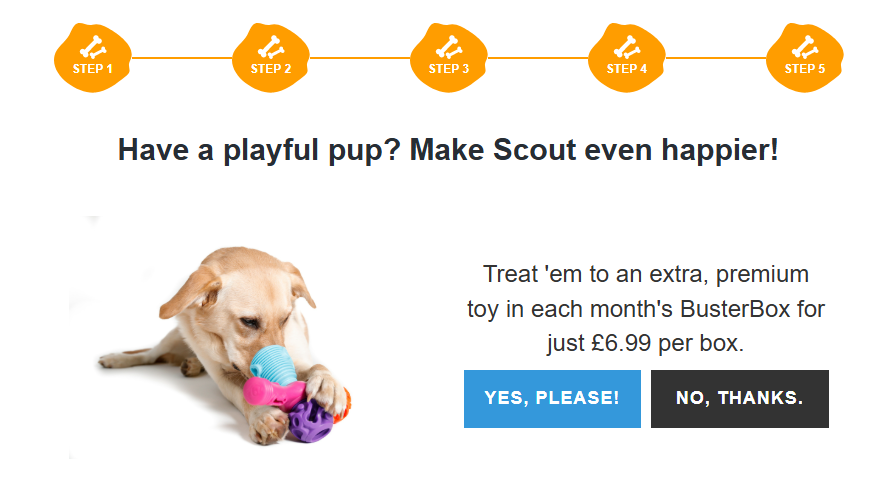
Subbly customer Busterbox presents its upselling offer during the initial sign-up process. This allows the company to quickly secure additional revenue from customers willing to spend more on their dog.
🧠 Watch our webinar to learn how to increase the AOV of your customer’s orders using Subbly’s add-ons upselling tool.
11. Renewals
Renewal offers are incentives that encourage more subscribers to stay with their plan when it is due to expire.
They remind and motivate customers to continue subscribing by making them feel valued. This reduces churn and increases customer lifetime value (CLV).
Subscription box renewal offers might include:
- A small discount for committing to another three months.
- A free bonus item for renewing early.
- Access to an exclusive product only available to long-term subscribers.
A good renewal offer strategy involves reminding the subscriber that their renewal date is approaching and telling them about the offer. You should automate this message when they sign up to avoid missing the date accidentally.
In the message, emphasize the value of staying subscribed and present the renewal offer clearly and compellingly.
12. Referral programs
Referral programs reward subscribers for introducing new customers. This works because people trust recommendations from friends and family more than advertising.
Referral programs often offer a win–win incentive: give existing subscribers a reward and their friend a discount for signing up.
They not only reduce churn, but also turn your best customers into your most powerful marketing tool.
A good referral program is easy to understand and is worth the customer taking part in.
Feature them:
- In onboarding emails.
- On your website.
- In your social content.
Get The Right Tools For Marketing Your Subscription Box
Marketing a subscription box is about guiding potential customers through a funnel. From raising awareness to converting with discounts and upsells, every stage plays a crucial role in acquiring and retaining subscribers.
However, you can’t focus on one stage at a time; a good marketing strategy accounts for the entire funnel from day one.
That’s not easy, so you’ll need tools that support you at every step. That’s where Subbly comes in.
Subbly is an ecommerce platform and AI website builder designed specially for subscription businesses.
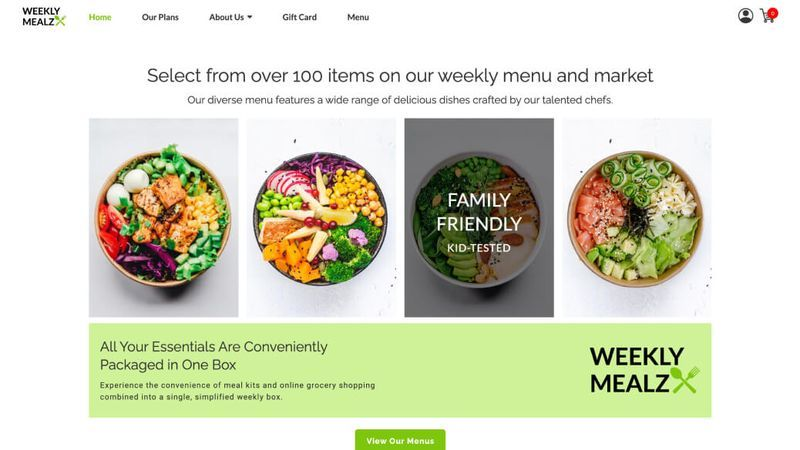
It includes a range of built-in marketing features for discounts and free trials, email automation, lead capture forms, and referral program integrations.
You can create landing pages, track analytics, and manage customer relationships without juggling multiple plugins.
If you’re ready to launch or scale your subscription box, sign up today for a free trial of Subbly and start growing your customer base with confidence.


